

Donald Trump Tariffs Canada: Mark Carney Races to Strike US Deal
Prime Minister Mark Carney faces mounting pressure to secure a trade agreement as new 50% duties on billions of dollars of Canadian imports approach
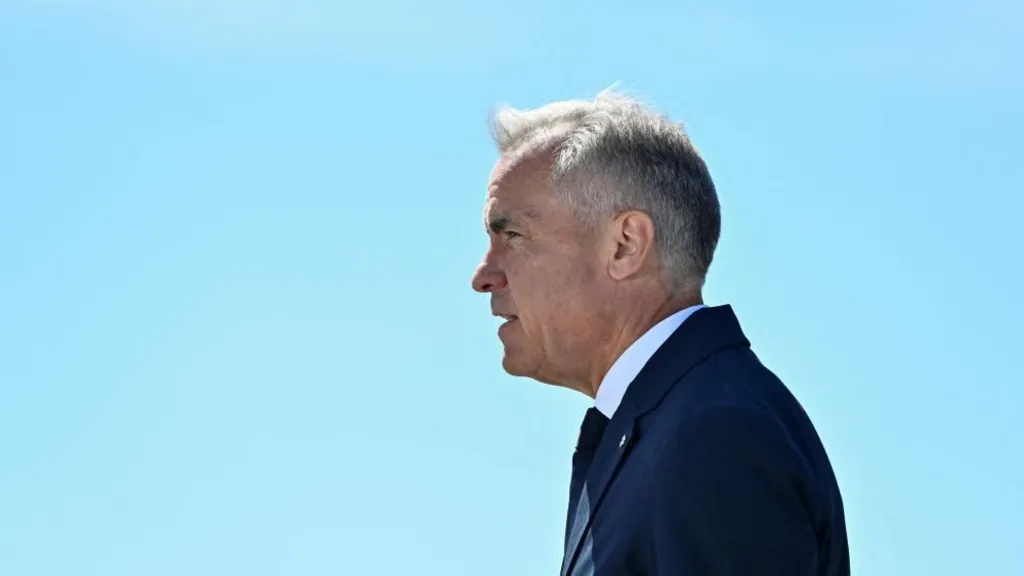
Canada and US negotiators race to avoid new Donald Trump tariffs on Canada exports.
WASHINGTON, August 18, 2026: Canada and the United States are racing to reach a trade agreement as new Donald Trump tariffs on Canada threaten to take effect within less than 48 hours.
Canadian officials have spent the past week in Washington seeking an agreement before the 50% tariffs take effect on Wednesday. The measures would affect about $20 billion (C$28 billion) worth of Canadian imports, hitting various manufacturing and consumer sectors.
Prime Minister Mark Carney has kept details of the negotiations private, describing the discussions as “very delicate and intense”. Carney insisted on Monday that Canada was negotiating from a position of strength, adding that this was “not the time to negotiate in public”.
Impact of New Donald Trump Tariffs on Canada
The impending duties represent a major test for Carney’s government. The proposed tariffs would target roughly 5% of Canadian goods exported to the U.S. market.
Despite several high-level meetings between Canadian negotiators and U.S. Trade Representative Jamieson Greer, the two sides have not reached a final agreement. Canada’s Trade Minister Dominic LeBlanc confirmed that the work remained unfinished on Monday, stating, “Our job is not yet done”.
U.S. President Donald Trump has maintained an aggressive stance throughout the negotiations, warning that Washington could take an even tougher position if Ottawa fails to make critical concessions.
Washington Demands Key Concessions
To avoid the full rollout of the Donald Trump tariffs Canada dispute, the United States is pushing for major regulatory changes:
Automotive Industry: Adjustments to Canada’s remaining retaliatory duties on U.S. automobiles.
Dairy Market Access: Revisions to Canadian import quotas and supply-management policies.
Alcohol Import Restrictions: Lifting provincial bans on American wine and liquor implemented last year.
Removing alcohol restrictions requires provincial alignment. Ontario Premier Doug Ford noted that restoring American alcohol products would depend on whether the overall trade deal protects broader Canadian industries.
Public and Political Pressure Mounts
Outshine Bar Recalls: Dreyer’s Recalls Fruit Bars Over Glass Concerns
Carney also faces significant political friction over dairy policy. Quebec Premier Christine Fréchette reiterated that the province’s agricultural supply-management system is non-negotiable.
Meanwhile, Canadian public sentiment remains firm. A recent Abacus Data poll revealed that 74% of Canadians feel the ongoing trade conflict has impacted their household. While 36% favor counter-tariffs, only 18% support granting concessions to ease U.S. duties.
As the deadline nears, Carney plans to speak directly with Trump to finalize terms. Conservative trade critic Shuvaloy Majumdar voiced hope that the prime minister would bring stability to Canadian businesses and prevent a fresh escalation of Donald Trump tariffs on Canada.