US Destroys Five Iranian Oil Tankers as Iran Strikes Targets in Jordan
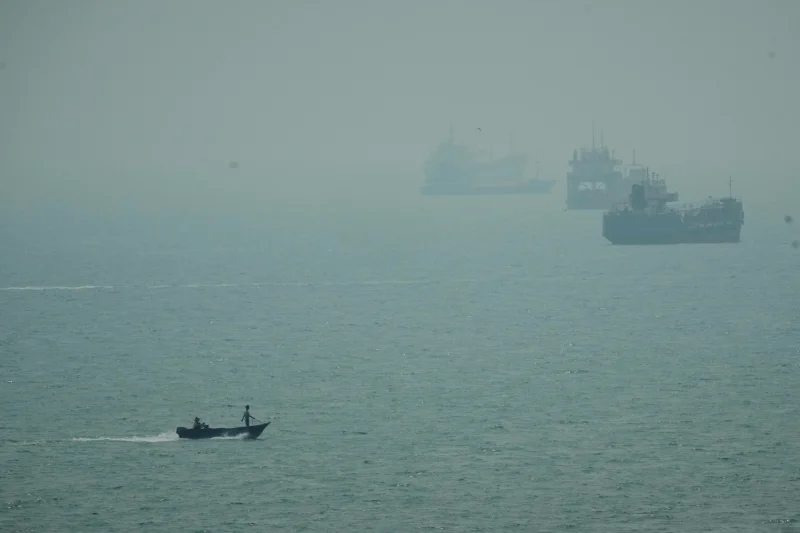
US strikes Iranian oil tankers as tensions rise over the Strait of Hormuz.
The US military said it destroyed five Iranian oil tankers on Tuesday. The strikes came after what Washington described as new Iranian attacks on US warships.
Iran responded by launching missiles towards US-linked targets in Jordan, according to Iranian state media. Jordan said its air defences intercepted 18 ballistic missiles.
Two additional missiles fell in unpopulated areas, Jordan’s military said. No casualties were reported.
US Strikes Iranian Tankers
US Central Command said the attacks followed two attempted Iranian strikes on a US Navy warship.
The Iranian Revolutionary Guard targeted the vessel with ballistic missiles over two days. The US said the warship avoided both attacks.
No American personnel were injured, according to the US military.
The five tankers were identified as Kivik, Charminar, Horizon 1, Riesco and Derya. Four were located in the Gulf of Oman, while the Derya was near Kharg Island.
Export Insurance and Financing Measures Can Boost SMEs and Exports Mian Zahid Hussain
US forces said crews were warned to abandon the vessels before the strikes.
Iran Responds With Missile Attacks
Iranian state media reported missile launches towards US targets in Jordan.
Jordan hosts US military forces and remains a key American ally in the region. Its military said its air defence systems intercepted 18 ballistic missiles.
Two more missiles landed in areas without residents. Jordan reported no casualties.
The latest exchange has raised concerns about another escalation between the United States and Iran.
Strait of Hormuz at Centre of Conflict
The confrontation is closely linked to the Strait of Hormuz, a major global energy route.
Before the war, around one-fifth of the world’s oil passed through the strategic waterway. Both Washington and Tehran are now seeking greater control over shipping routes in the area.
Iran has threatened to establish an exclusion zone near the strait. Tehran has also demanded that vessels follow a route selected by Iranian authorities.
The United States, meanwhile, has helped some ships travel through the waterway.
Oil Prices Face Fresh Pressure
The continuing conflict is also affecting global energy markets.
International benchmark Brent crude briefly reached $99.46 a barrel on Tuesday.
Higher energy prices are creating political challenges for US President Donald Trump. The pressure comes ahead of the November midterm elections.
The Trump administration has also expanded economic pressure on Iran.
New US Sanctions on Aviation Sector
The US imposed fresh sanctions on parts of Iran’s aviation industry on Tuesday.
The measures target more than two dozen commercial and private airlines. Several foreign cargo service providers were also included.
Washington says the sanctions are part of a wider effort to isolate Tehran from international trade.
At the same time, US Secretary of State Marco Rubio said Iran’s attacks would not go unanswered.
Risk of Wider Escalation
Analysts have warned that repeated military strikes could make the conflict harder to control.
Iran expert Danny Citrinowicz said military action cannot provide a lasting solution to the Strait of Hormuz crisis.
He warned that further attacks could increase tensions between Washington and Tehran. They could also create additional pressure on the global economy.
For now, the latest exchange shows that the conflict remains highly volatile. The strategic importance of the Strait of Hormuz continues to add to the risks.