
Transport Strike Deepens Economic Pressure as Business Leaders Urge Immediate Talks
Pakistan’s transport strike disrupts cargo movement and puts pressure on businesses and supply chains.
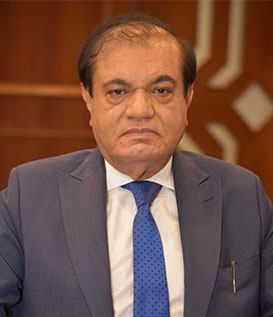
Pakistan’s nationwide transport strike is creating growing pressure on businesses and supply chains, with business leader Mian Zahid Hussain warning that the dispute could develop into a wider economic crisis. He urged the government and transporters to resolve their differences through immediate negotiations rather than allowing the disruption to continue.
The strike began on August 8 and has affected the movement of more than 400,000 goods-carrying vehicles, according to Hussain. Transporters have raised concerns over withholding tax, toll charges, axle-load rules, customs matters and frequent changes in diesel prices.
Hussain said every additional day of disruption is increasing costs for importers, exporters, manufacturers and traders. He called for an urgent and practical settlement between the government and transport representatives.
Ports face mounting disruption
Importers are among the businesses facing the strongest impact. The strike has disrupted the movement of containers arriving at Karachi Port and Port Qasim.
Raw materials are also struggling to reach factories. At the same time, containers remain at ports and terminals, creating additional demurrage, detention, storage and handling costs.
Hussain said importers should not bear charges caused by circumstances beyond their control. He called on the Ministry of Maritime Affairs, port authorities, terminal operators and shipping lines to waive such charges linked directly to the strike.
Marka-e-Haq Padel 2.0 Brings Rotary Clubs Together in Celebration of Sportsmanship
Pakistan imported goods worth about $6.89 billion in July 2026, while total merchandise imports reached $69.597 billion during FY2025-26, according to the figures cited by Hussain.
He estimated that Pakistan’s daily import cargo represents around Rs64 billion in goods requiring inland transportation. Continued disruption could therefore increase costs across the supply chain and eventually put further pressure on consumers.
Exporters face shipment delays
The export industry is also struggling with the disruption. According to the Pakistan Textile Exporters Association, export containers worth about $500 million are currently stranded at factories.
Hussain warned that exporters could miss vessel cut-off times because trucks cannot move goods normally. Such delays can lead to additional charges, buyer claims and cancelled orders.
Some exporters may also have to use expensive air freight to meet delivery deadlines. Hussain said repeated disruptions could encourage international buyers to source Pakistani products from competing markets.
The textile industry faces particular pressure because it generates around $18 billion in annual exports while already dealing with high production and business costs.
Petroleum strike could add to crisis
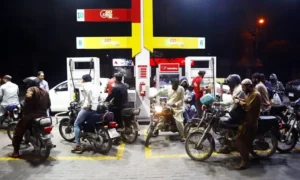
Hussain also expressed concern over the announcement by petroleum dealers to close petrol pumps nationwide from August 15.
He warned that a fuel disruption alongside the ongoing goods transport stoppage could create further problems for supply chains and commercial activity.
Such a situation could affect the availability of essential commodities and increase inflationary pressure. It could also make it more difficult for factories and businesses to maintain normal operations.
Business leader calls for empowered committee
Hussain urged the government to establish an empowered negotiating committee to settle the dispute quickly.
He proposed including representatives from relevant ministries, the Federal Board of Revenue, National Highway Authority, port authorities, FPCCI and transporters.
He said Pakistan cannot afford to disrupt logistics while trying to increase exports and revive economic activity.
“A dispute in the transport sector must not become a financial punishment for the entire national economy,” he said.
Hussain also appealed to transporters and petroleum dealers to avoid further disruption. He called on both sides to return to negotiations and resolve legitimate concerns through dialogue.
The business leader said protecting Pakistan’s supply chains should remain a priority as the country works to strengthen exports, industrial production and economic growth.