
Karachi HIV outbreak: SHC orders independent probe into infected children
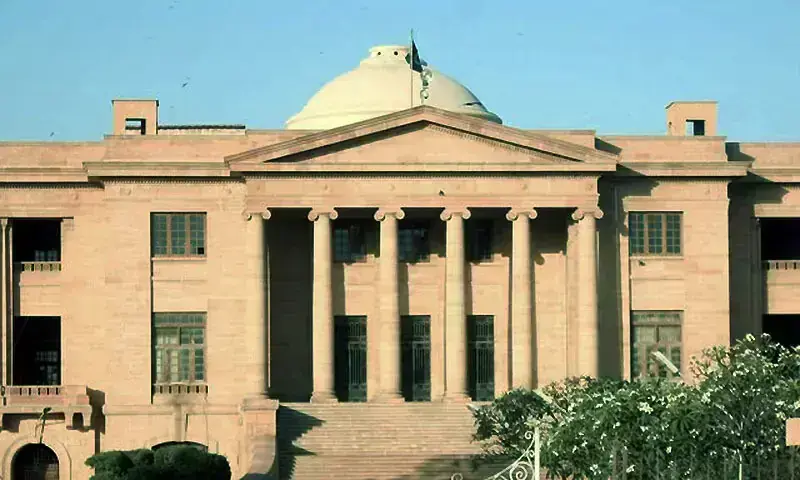
Sindh High Court orders an independent inquiry into the HIV outbreak at Karachi’s Kulsum Bai Valika Hospital.
The Sindh High Court (SHC) has ordered an independent and comprehensive inquiry into the HIV outbreak among children treated at Karachi’s Kulsum Bai Valika Hospital. The court directed the Sindh government to form a committee headed by the chief secretary to establish the number of affected patients, determine how the infections occurred and assess whether medical safety rules were breached.
A two-member SHC bench, headed by Justice Adnanul Karim Memon and comprising Justice Muhammad Jaffer Raza, issued the order on Thursday while announcing its reserved judgment. The petition had sought an independent investigation, legal action against those responsible, continued medical treatment and compensation for affected children.
The court said previous departmental inquiries and reports had failed to provide enough information about the scale of the outbreak, the possible source of transmission and compliance with infection-control requirements. It therefore ordered a separate fact-finding process to establish the facts without prejudging the guilt or innocence of any individual.
Independent committee to lead investigation
Under the court’s directions, the Sindh chief secretary will head the inquiry committee. He must also nominate two senior officers of at least BS-20 grade.
The court said the officers should preferably have no direct administrative connection with Kulsum Bai Valika Hospital or earlier proceedings related to the case.
The committee will investigate the actual number of HIV-positive children and other patients treated at the hospital during the relevant period. It will also examine the possible source and method of transmission using available medical and scientific evidence.
Investigators will review whether staff reused disposable syringes or improperly handled medical equipment. They will also examine sterilisation practices and the hospital’s infection-prevention procedures.
The committee must further review procurement, storage and use of auto-lock, auto-destruct and auto-break syringes. It will examine relevant medical records, laboratory reports, stock registers, duty rosters, inspection reports and other evidence.
Azfar Ahsan honoured for strengthening Morocco-Pakistan ties
The inquiry will also assess the role of doctors, nurses, technicians, administrators and supervisory officials. If evidence shows that any official failed to perform a legal or administrative duty, the committee can recommend appropriate action.
The court also ordered the committee to review departmental proceedings already initiated against 37 officials and determine whether those proceedings adequately address individual responsibility.
Report due within two months
The inquiry committee must submit its comprehensive report to the competent authority and the SHC within two months of its formation.
The report should establish the factual position and, where evidence supports it, identify responsibility. The committee may also recommend departmental, statutory or criminal proceedings against those found responsible.
The court stressed that allegations alone cannot establish individual culpability. Any person facing an adverse finding must receive a fair opportunity to respond.
The SHC also directed authorities to take immediate corrective measures at the hospital. These measures should reduce further risks to patients and ensure compliance with Sindh’s rules governing disposable syringes and infection prevention.
Free treatment ordered for affected children
While the investigation continues, the court ordered the Sindh chief secretary and relevant departments to ensure that affected HIV-positive children receive comprehensive and uninterrupted medical care.
Treatment must include medicines, medical investigations, counselling and follow-up care. The government and Sindh Employees’ Social Security Institution (SESSI) must cover the costs.
The court said families should not have to pay for the treatment. It also allowed authorities to arrange care at higher-standard medical institutions whenever doctors consider it necessary.
The court further directed the provincial government to determine whether affected children and their families qualify for compensation, financial assistance or other lawful relief.
It also ordered authorities to protect families from discrimination and stigma because of their HIV status. The court stressed that the identities and medical information of affected children must remain confidential.
Earlier reports raised concerns over scale of outbreak
The outbreak at Kulsum Bai Valika Hospital emerged late last year. Government screening later identified dozens of HIV-positive children connected to the facility.
Sindh authorities previously reported 78 infected children at the hospital, while wider screening around the area identified 120 additional HIV-positive people. Officials have stressed that the wider cases do not necessarily mean all infections originated at the hospital.
Earlier reports and court proceedings had also raised allegations involving unsafe medical practices, including the possible reuse of contaminated syringes. The SHC has now specifically instructed the inquiry committee to establish the source and circumstances of transmission through medical evidence rather than assumptions.
Court issues show-cause notice to petitioner
The SHC order also addressed an incident during proceedings involving the petitioner, Advocate Tariq Mansoor.
According to the order, the petitioner allegedly raised his voice and encouraged people accompanying him to record videos inside the court. The court said the incident disrupted proceedings and affected the decorum of the courtroom.
The bench ordered a show-cause notice to Mansoor, asking why criminal and contempt proceedings should not be initiated against him.
The court also raised concerns about security arrangements and directed relevant officials to explain their conduct. It instructed authorities to preserve CCTV and video recordings to identify those involved and take action according to law.
The SHC said the HIV case involves fundamental issues of life, health, dignity and fair treatment. It stressed that the matter cannot be treated simply as an administrative dispute because public authorities have a constitutional responsibility to protect life and ensure medical safety.