Spain-Italy border row deepens as Madrid imposes checks on air and sea travel
Spain will introduce month-long controls on passengers arriving from Italy, escalating a dispute over migration and the temporary suspension of Schengen rules.
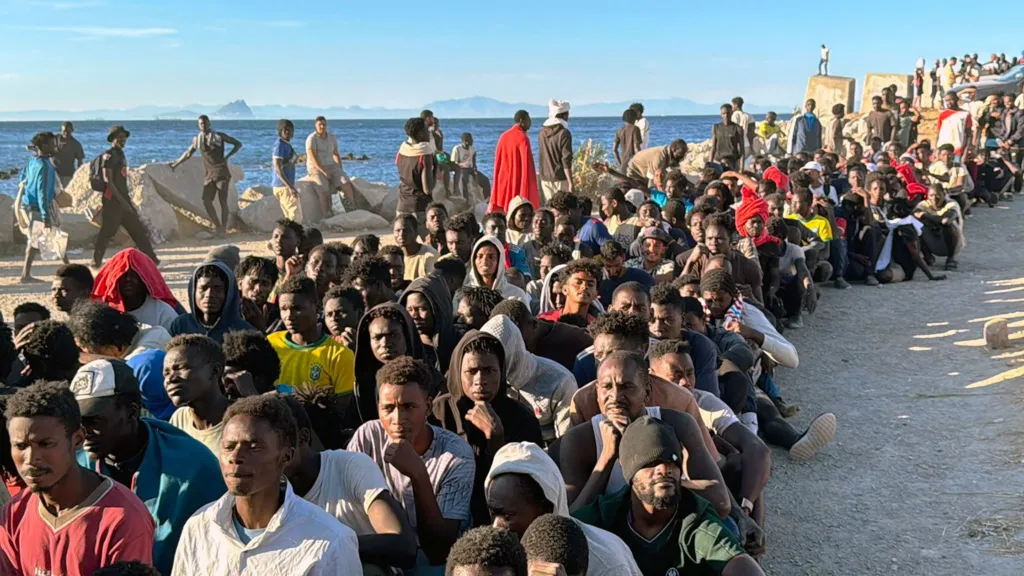
Spain and Italy tighten border checks as their migration dispute intensifies.
Spain is imposing Border Controls on passengers travelling by air and sea from Italy. The move deepens a dispute between the two EU members over migration and Schengen rules.
Madrid will introduce the checks at midnight and keep them for one month. Spain says continuing irregular migration pressure prompted the decision.
Miftah Ismail discusses economy and media’s role during Karachi meeting with journalists
The move follows Italy’s decision to impose similar checks on travellers arriving from Spain. Rome introduced the measures after about 78,000 migrants from Morocco entered Spain’s North African enclave of Ceuta.
Spain and Italy clash over Schengen rules
Italy says its checks aim to stop migrants from Ceuta from travelling onward to Italy. Madrid rejects that argument. Spanish officials say migrants who entered Ceuta had no route into the Schengen area.
The dispute has placed Border Controls at the heart of a growing political clash between Spanish Prime Minister Pedro Sanchez and Italian Prime Minister Giorgia Meloni.
Meloni has repeatedly called for tougher European migration policies. Sanchez, meanwhile, has challenged Rome’s decision to restrict movement between the two countries.
Spain demanded that Italy end its checks by Sunday. Rome rejected the demand and said the restrictions would remain until at least 15 August.
Rome rejects Madrid’s demand
Italy’s government said it would not accept what it described as an ultimatum from Spain. Rome also said it would maintain the measures until authorities consider the security and terrorism risks under control.
Italian officials stressed that Spanish citizens do not face the additional checks. The restrictions apply to non-EU nationals travelling from Spain.
However, Spanish newspaper El Pais reported long queues at several Italian airport terminals. Travellers arriving from Spain reportedly faced separate lines for document checks.
Madrid now plans to check passports, nationality and visas for passengers arriving from Italy. The Spanish government says the measures respond to continuing irregular migration pressure.
Spain plans to keep the checks until 7 September. Officials can change the duration if conditions improve.
Ceuta remains at the centre of the crisis
The dispute follows a major migration crisis in Ceuta. Around 78,000 migrants from Morocco reportedly attempted to enter the Spanish enclave.
Spanish authorities returned most of the migrants to Morocco within days. Nearly 1,400 minors remain in Ceuta, including many young children.
Madrid has not confirmed reports of another major crossing attempt. Spanish officials say they continue to monitor the situation.
Social media activity in Morocco has fuelled speculation about another attempt to reach Ceuta. El Pais reported that Spanish officials do not expect a repeat of last week’s scenes.
EU countries take different positions
Temporary suspensions of Schengen rules are not unusual. Italy already maintains controls along parts of its border with Slovenia.
Finland and Denmark supported Italy’s decision to restrict movement from Spain. The Czech Republic went further and called for Spain’s temporary suspension from the Schengen system.
The dispute highlights growing divisions within Europe over migration and border security. It also raises questions about how far individual EU members can go when responding to sudden migration pressures.
Dispute with Morocco adds pressure
The origins of the mass crossings remain unclear. EU Migration Commissioner Magnus Brunner has suggested that criminal networks may have spread misinformation to encourage the crossings.
The Spanish government supports that explanation.
The crisis also followed a ruling by Spain’s Supreme Court. The court said authorities cannot automatically return migrants intercepted at sea while attempting to reach Ceuta or Melilla.
Morocco has criticised the ruling. A government source told local media that the decision weakened the deterrent effect of the border system.
Morocco does not recognise Spanish sovereignty over Ceuta and Melilla. The two territories have remained a major source of tension between Madrid and Rabat for decades.
The large number of migrants who reached Ceuta has also raised questions about Morocco’s border response. Authorities now face pressure to explain why they did not prevent thousands of people from crossing towards the Spanish territory.
The latest dispute between Spain and Italy goes beyond temporary passport checks. It reflects a wider European argument over migration, national security and the future of the Schengen agreement.