Japan Liveable Cities: Why Tokyo and Osaka Rank Among the World’s Best
Accessible transport, walkable neighbourhoods and thoughtful urban planning help Japan’s leading cities deliver a higher quality of daily life.
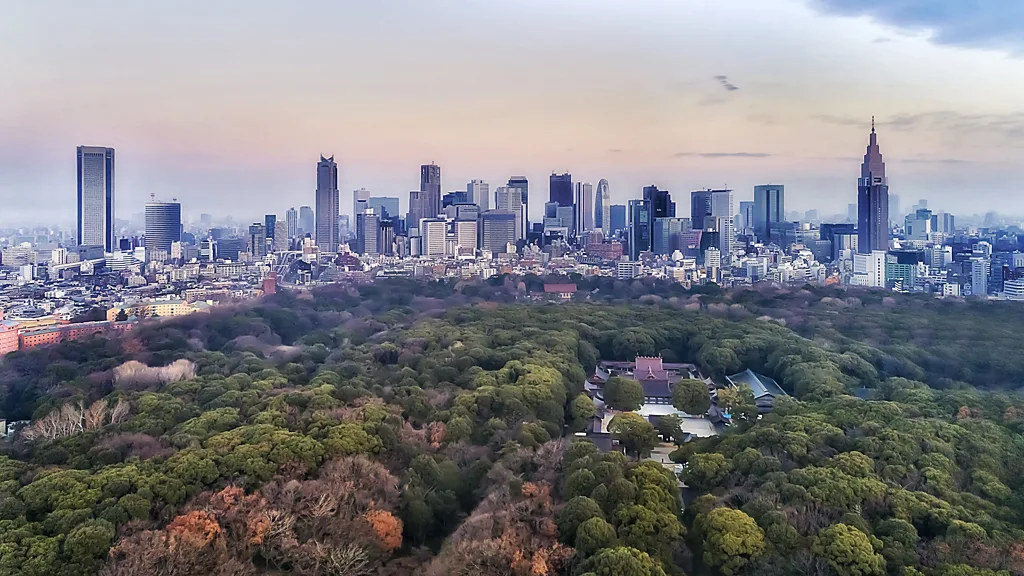
Tokyo and Osaka continue to rank among the world's most liveable cities in 2026.
TOKYO: Japan Liveable Cities continue to set a global benchmark for urban living, with Osaka ranking seventh and Tokyo securing 10th place in the Economist Intelligence Unit’s 2026 Global Liveability Index. Japan is the only Asian country with two cities in the global top 10.
Trump Rejects Weapons Shortage Claims as US Expands Munitions Production
Experts say the rankings reflect more than strong healthcare, education and public safety. Everyday life is easier because Japanese cities prioritise accessibility, reliable public transport and neighbourhoods designed for people rather than cars.
Japan Liveable Cities Focus on Daily Convenience
Urban planners say successful cities reduce the small frustrations of daily life.
Architect Francis Aguillard said residents should be able to reach work, schools, parks, shops and healthcare without depending on a car. In many Japanese cities, that goal has become a reality.
Accessible Japan founder Josh Grisdale, who has used a power wheelchair while living in Tokyo for 18 years, said public spaces are designed to benefit everyone.
He noted that ramps, elevators and wide walkways help wheelchair users, parents with strollers, older adults and travellers carrying luggage.
Walkable Neighbourhoods Build Strong Communities
One of Japan’s defining urban features is the shotengai, or covered shopping street.
These neighbourhood centres combine grocery stores, cafés, pharmacies and restaurants within walking distance of homes.
Writer Patrick Lydon, who lives in Osaka, said shopping became an enjoyable daily activity after moving to Japan.
Instead of driving to supermarkets, he now cycles or walks through local shopping streets. He believes these neighbourhoods encourage stronger community ties while making everyday errands more enjoyable.
Experts say Japan also designs streets for people before vehicles. Compact delivery vans and bicycles share roads with pedestrians, creating safer and calmer neighbourhoods.
Accessible Public Transport Supports Everyone
Japan’s transport network remains one of the country’s greatest strengths.
Residents say trains and buses are reliable, clean and easy to use.
Keiko Ota, who has lived in Tokyo for more than a decade, said she has never needed a driving licence because public transport connects almost every destination.
For wheelchair users, accessibility has improved significantly since Japan introduced its Barrier-Free Law in 2006.
Most major railway stations now provide step-free access through elevators and other facilities. Transit staff also assist passengers whenever needed.
Grisdale said the system allows him to travel without making advance arrangements, something that is still uncommon in many countries.
Historic Heritage Shapes Modern Cities
Japanese cities continue to protect historic landmarks while embracing modern development.
Rather than removing old buildings or trees, planners often integrate them into new projects.
Lydon recalled seeing a centuries-old camphor tree growing through the roof of Kayashima Station near Osaka. He said the example reflects Japan’s willingness to preserve history instead of replacing it.
Residents say shrines, parks and traditional restaurants remain part of everyday life, even in busy business districts.
Respect and Courtesy Improve Urban Living
Experts believe infrastructure alone does not explain Japan’s success.
Courtesy and respect for others also help cities function efficiently.
Residents regularly queue for trains, keep public transport quiet and respect shared public spaces.
Grisdale said these everyday habits are as important as physical infrastructure because they create a calmer environment for everyone.
Lydon added that customs such as proper recycling, keeping streets clean and showing consideration for others encourage stronger communities and improve quality of life.
A Global Model for Future Cities
Urban planning experts say Japan’s success comes from combining reliable infrastructure with thoughtful design and strong community values.
Walkable neighbourhoods, accessible transport and public respect have created cities that remain among the world’s easiest places to live.
As more countries search for sustainable urban solutions, Japan’s people-first approach continues to offer lessons for city planners around the world.