Pakistan Trade Deficit Jumps 25% as Zubair Tufail Calls for Urgent Export Reforms
Business leader warns rising imports and higher energy costs are widening Pakistan’s trade gap despite steady export growth.
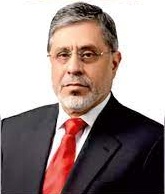
Zubair Tufail speaks on Pakistan's rising trade deficit and the need for export-led economic reforms.
KARACHI, Aug. 6: Pakistan’s Trade Deficit widened by more than 25% in July 2026, reaching US$3.95 billion, prompting renewed concern from the business community over the country’s growing reliance on imports and rising energy costs.
MCB Bank Reports Strong Half-Year Earnings, Announces 90% Interim Dividend
President of the United Business Group (UBG) and former President of the Federation of Pakistan Chambers of Commerce and Industry (FPCCI), Zubair Tufail, said that although the trade gap narrowed by around 15% on a month-on-month basis, the continued increase in imports highlights structural challenges facing the economy.
Trade Deficit
According to Tufail, Pakistan’s import bill rose nearly 18% year-on-year to US$6.89 billion in July, while export earnings increased by about 10% during the same period. He attributed the rise in imports to stronger economic activity, which sustained demand for industrial raw materials, machinery and other essential goods.
He said higher global energy prices, driven by geopolitical tensions in the Middle East, further increased Pakistan’s import costs. Prices of petroleum products and re-liquefied natural gas (RLNG) climbed between 40% and 50% compared with July last year, placing additional pressure on the country’s external account.
Tufail noted that energy imports typically account for 20% to 25% of Pakistan’s total imports, making the economy particularly vulnerable to fluctuations in international oil and gas prices. Increased imports of machinery and vehicles for the industrial and agricultural sectors also contributed to the widening trade gap.
Despite the higher deficit, he described export growth as a positive sign. Food products, particularly rice, played a key role in boosting export earnings, while the textile industry remained Pakistan’s largest export sector, contributing 55% to 60% of total exports. He said textile exports remained stable during the fiscal year ended June 30, 2026, adding that the detailed trade report due later this month would provide greater insight into the products driving July’s export performance.
Tufail urged the government to provide industries with affordable electricity and gas to support sustainable export growth. He also called for the timely release of exporters’ tax refunds and rebates, stronger promotion of value-added exports and expanded trade diplomacy to secure access to new international markets.
He stressed that reducing industrial production costs, encouraging alternative energy sources, supporting import-substitution industries and ensuring consistent policy measures for exporters would help narrow the trade deficit while strengthening Pakistan’s long-term economic growth.