Government Stands by Petroleum Pricing Reform, Signals Fuel Subsidy Return
Petroleum minister says targeted relief could return if Middle East tensions persist, while the government defends its daily fuel pricing mechanism as more transparent and consumer-friendly.
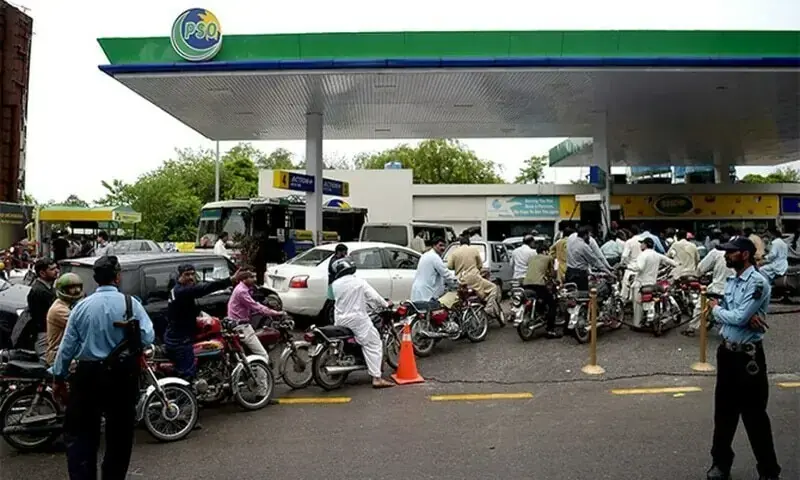
Petroleum Minister Ali Pervaiz Malik addresses lawmakers on Pakistan's fuel pricing policy.
The federal government has reaffirmed its commitment to the new daily petroleum pricing system despite growing public criticism. At the same time, it has indicated that it could restore targeted fuel subsidies if escalating tensions in the Middle East continue to drive global oil prices higher.
Petroleum Minister Ali Pervaiz Malik said the government was closely monitoring the impact of the renewed US-Iran conflict on international oil markets. He explained that if the crisis persisted for several more days, the government would revive a targeted fuel subsidy programme with financial support from provincial governments. The initiative would help protect low-income consumers from rising fuel costs while easing pressure on household budgets.
After more than 100 words, Petroleum Pricing remained at the centre of the minister’s remarks. He defended the deregulated system, saying it passes changes in global oil prices to consumers gradually instead of triggering sharp increases under the previous fortnightly pricing model. He added that the Oil and Gas Regulatory Authority (Ogra) determines fuel prices through a transparent formula, reducing political interference and improving public confidence.
Mohsin Naqvi Pledges Stronger Protection for Businesses Amid Security Challenges
Malik also said Pakistan’s commitments under the International Monetary Fund (IMF) programme restrict the government’s ability to introduce broad fuel subsidies. He stressed that consumers must bear the legitimate cost of petroleum products unless another funding source becomes available.
While addressing the Senate Standing Committee on Petroleum, the minister said the daily pricing mechanism promotes transparency and strengthens market competition. Ogra Chairman Nabeel Awan explained that the regulator calculates fuel prices by using a seven-day rolling average of Platts international benchmarks. He said this method softens the impact of sudden global price fluctuations, particularly during the ongoing US-Iran tensions.
Senators offered mixed opinions on the policy. Senator Amir Chishti welcomed the daily pricing mechanism and described it as a transparent approach. However, Senator Saifullah Abro criticised the policy and warned that it could gradually increase the financial burden on consumers.
Representatives of the Petroleum Dealers Association also voiced concerns. They argued that frequent price revisions have created operational challenges for fuel retailers. In response, the Senate committee directed Ogra to consult all relevant stakeholders and submit a practical proposal that addresses the dealers’ concerns.
Meanwhile, a government review committee chaired by the petroleum minister endorsed the daily pricing mechanism after reviewing its implementation. The committee also examined proposals to improve transparency, digitise the petroleum supply chain and review policies related to oil marketing companies, the Inland Freight Equalisation Margin (IFEM) and the windfall tax.
Officials said the committee will continue its discussions and prepare a comprehensive reform roadmap. The proposed reforms aim to strengthen competition, improve efficiency, increase transparency and provide stronger consumer protection across Pakistan’s petroleum sector.