Maize Exports: TDAP Promotes Good Agricultural Practices to Meet Global Standards
Seminar in Sahiwal highlights export opportunities for maize and sesame seeds, with experts urging compliance with international food safety and MRL requirements.
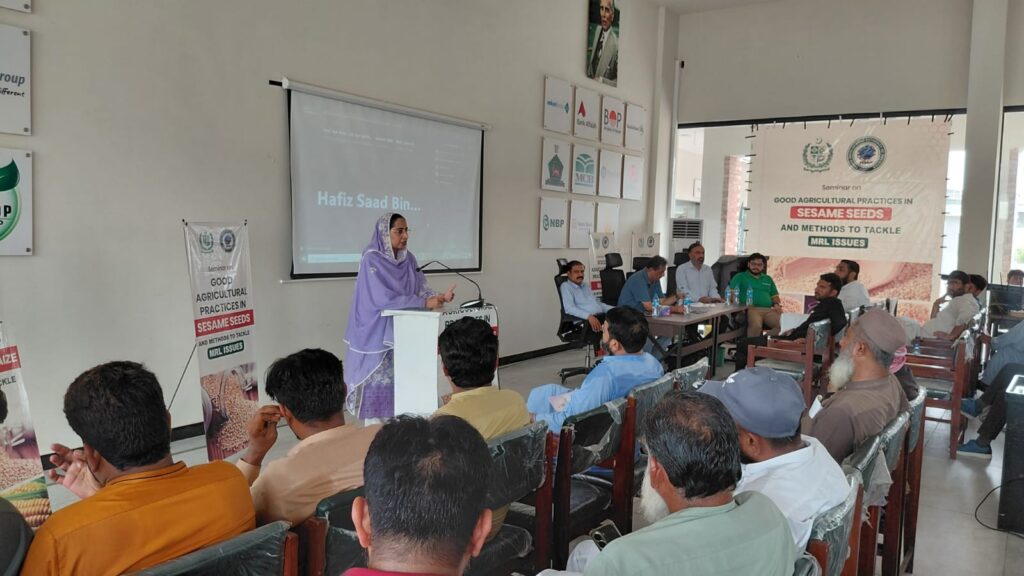
Participants attend TDAP's seminar on good agricultural practices in Sahiwal.
Maize Exports received renewed attention as the Trade Development Authority of Pakistan (TDAP) organised a seminar in Sahiwal to promote Good Agricultural Practices (GAP) and improve compliance with international food safety standards for maize and sesame seeds.
TDAP held the seminar in collaboration with the Pest Warning & Quality Control of Pesticides Wing of the Punjab Agriculture Department. Farmers, exporters, traders, researchers and industry stakeholders attended the event to discuss ways to improve product quality and expand Pakistan’s agricultural exports.
Green Finance: Pakistan Moves Towards Digital Climate Budgeting to Bridge $348 Billion Funding Gap
Opening the seminar, TDAP Director General (Agro & Food Division) highlighted the growing export potential of maize and sesame seeds. He said China’s recent approval of maize imports from Pakistan under a dedicated phytosanitary protocol has created new opportunities for exporters.
He urged farmers and exporters to adopt Good Agricultural Practices, comply with international food safety regulations and complete the required General Administration of Customs of China (GACC) registration to access new markets.
Experts Highlight Export Opportunities
Representatives from Pakistan’s trade missions in Türkiye, Beijing, Guangzhou, Vietnam, Uzbekistan and Kazakhstan joined the seminar virtually. They briefed participants on market demand, export regulations and emerging opportunities for maize and sesame seed exports in their respective countries.
The speakers encouraged exporters to understand market-specific requirements and maintain consistent product quality to strengthen Pakistan’s presence in international markets.
Focus on Food Safety and MRL Compliance
Technical experts from TDAP, the Department of Plant Protection (DPP/NAFSA), the Maize & Millets Research Institute (MMRI) and the Nuclear Institute for Agriculture and Biology (NIAB) delivered detailed presentations.
They discussed Good Agricultural Practices, Maximum Residue Limit (MRL) compliance, integrated pest management, aflatoxin control, post-harvest handling, traceability systems and export certification procedures.
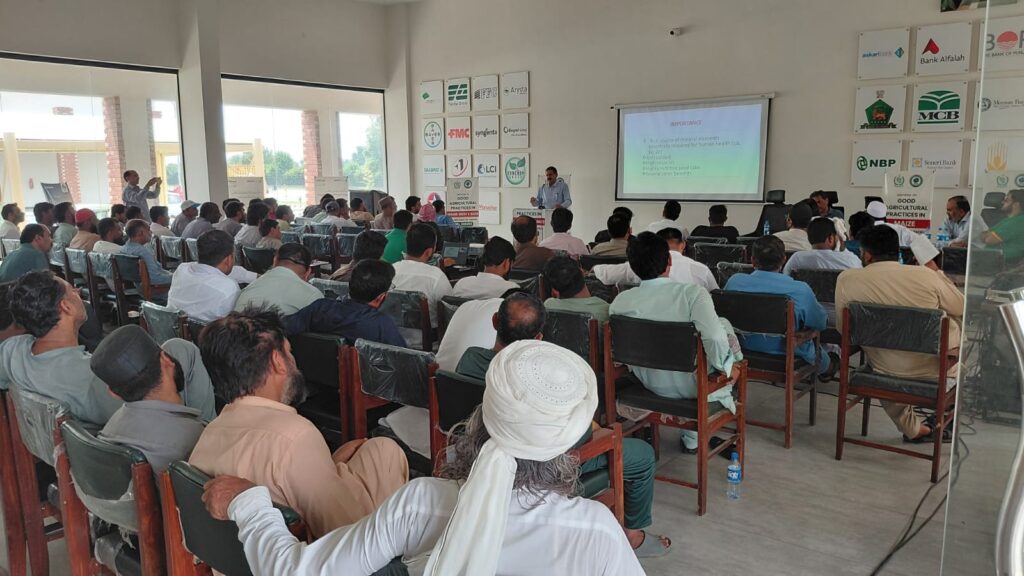
The experts stressed that meeting international standards would improve the competitiveness of Pakistani agricultural products and increase access to premium export markets.
Commitment to Strengthen Agricultural Exports
The seminar concluded with participants reaffirming their commitment to stronger collaboration among farmers, exporters, research institutions and government agencies.
The stakeholders agreed that adopting modern agricultural practices and complying with global quality standards would help Pakistan increase maize and sesame seed exports while expanding its presence in high-value international markets.