Japan’s New Mosque Debate Reflects Growing Immigration Tensions in Fujisawa
Plans to build a mosque in the coastal town of Fujisawa have ignited debate over immigration, religious diversity, and Japan’s changing identity.
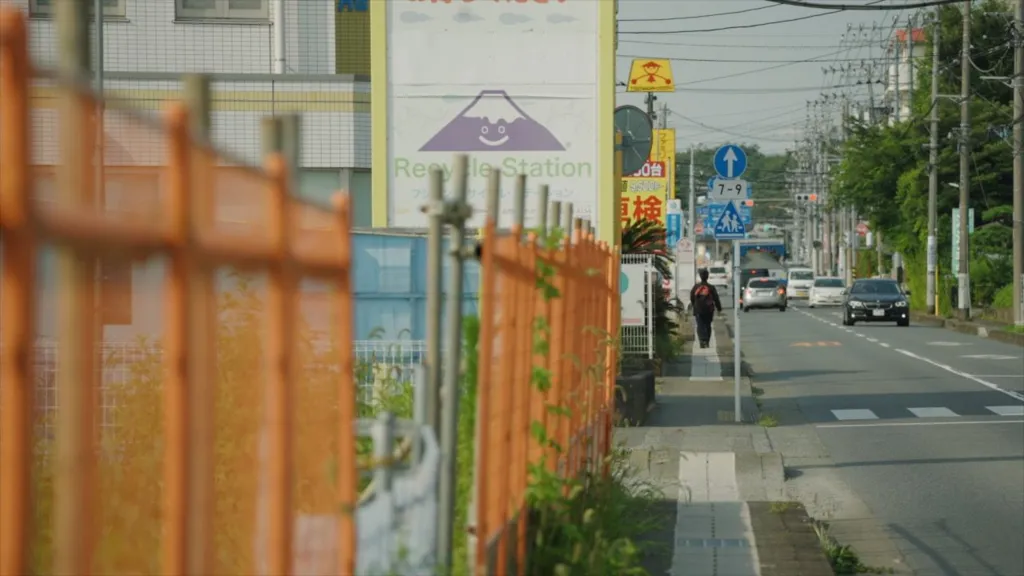
A proposed mosque in Fujisawa has sparked debate over immigration and religious diversity in Japan.
Plans to build the first Japan Mosque in the seaside town of Fujisawa have sparked an intense public debate, highlighting broader questions about immigration, religious diversity, and national identity as Japan faces an ageing population and a growing reliance on foreign workers.
The proposed mosque will be built on what is currently an open field in Fujisawa, around an hour south of Tokyo. While some residents have welcomed the project as a sign of a more inclusive society, others have expressed concern over how the growing Muslim community could change the character of the town.
Long-time resident Noriko Izumizawa said the development has left her uncertain about the future of her community. She acknowledged that she has never personally had a negative experience with Muslim neighbours but admitted that much of her concern stems from uncertainty about unfamiliar cultures and social change.
Japan Mosque Project Divides Local Community
More than 100 words into the debate, Japan Mosque has become a symbol of wider national discussions surrounding immigration and multiculturalism. Earlier this year, protesters gathered near Fujisawa’s railway station to oppose the mosque’s construction, with some arguing that a religious building larger than a nearby Shinto shrine would be inappropriate.
Local media also reported incidents of hate speech and misinformation circulating on social media, while several mosques across Japan have reportedly received abusive phone calls and emails. In response, anti-discrimination groups organised counter-protests calling for greater tolerance and respect.
Microsoft Unveils AI Security Tools to Detect Cyber Threats as Industry Faces Rising Risks
Calls for Dialogue and Understanding
Not all residents oppose the project. Hiroki Suzuka, who owns a coffee shop near the construction site, said understanding should come before judgment.
He said learning about Islam, its values, and the people who follow the faith is the first step toward peaceful coexistence. According to Suzuka, open dialogue between local residents and the Muslim community is essential for reducing misunderstandings.
Muslim Community Seeks Greater Integration
Many Muslims living in Japan say they have noticed a rise in anti-Muslim sentiment in recent years. Mohamed Mohideen, who moved from Sri Lanka to Japan nearly four decades ago, said online abuse and hostile remarks directed at Muslims have become increasingly common.
He explained that members of his community have been subjected to insults and false accusations but said they continue responding with patience and respect. Mohideen also acknowledged that Muslim communities could do more to engage with Japanese society and promote greater mutual understanding.
Shakeel Mohamed, a representative of a mosque in Saitama Prefecture, said Muslims living in Japan make every effort to respect local customs by following laws, maintaining cleanliness, and contributing positively to their communities.
Immigration Challenges Japan’s Identity
Japan’s Muslim population has grown significantly in recent years, reaching an estimated 420,000 people by the end of 2024, according to academic research. At the same time, the country’s foreign resident population surpassed four million in 2025 as labour shortages continue to drive demand for overseas workers.
Despite relying increasingly on foreign labour, Japan has maintained strict immigration policies. The government recently increased visa fees for foreign nationals and announced plans to strengthen immigration enforcement while considering measures to regulate the size of the foreign resident population.
The debate unfolding in Fujisawa reflects a larger national conversation over whether Japan can embrace greater cultural diversity while preserving the social cohesion and traditions that many citizens value.
Although opinions remain divided, some residents, including Izumizawa, acknowledge that fear often comes from unfamiliarity rather than personal experience, highlighting the importance of continued dialogue as Japanese society continues to evolve.