SME Definition: Mian Zahid Urges Uniform Business Classification Across Institutions
Business leader welcomes SBP’s revised SME definition and calls for a single national framework to simplify financing, taxation, and regulatory compliance.
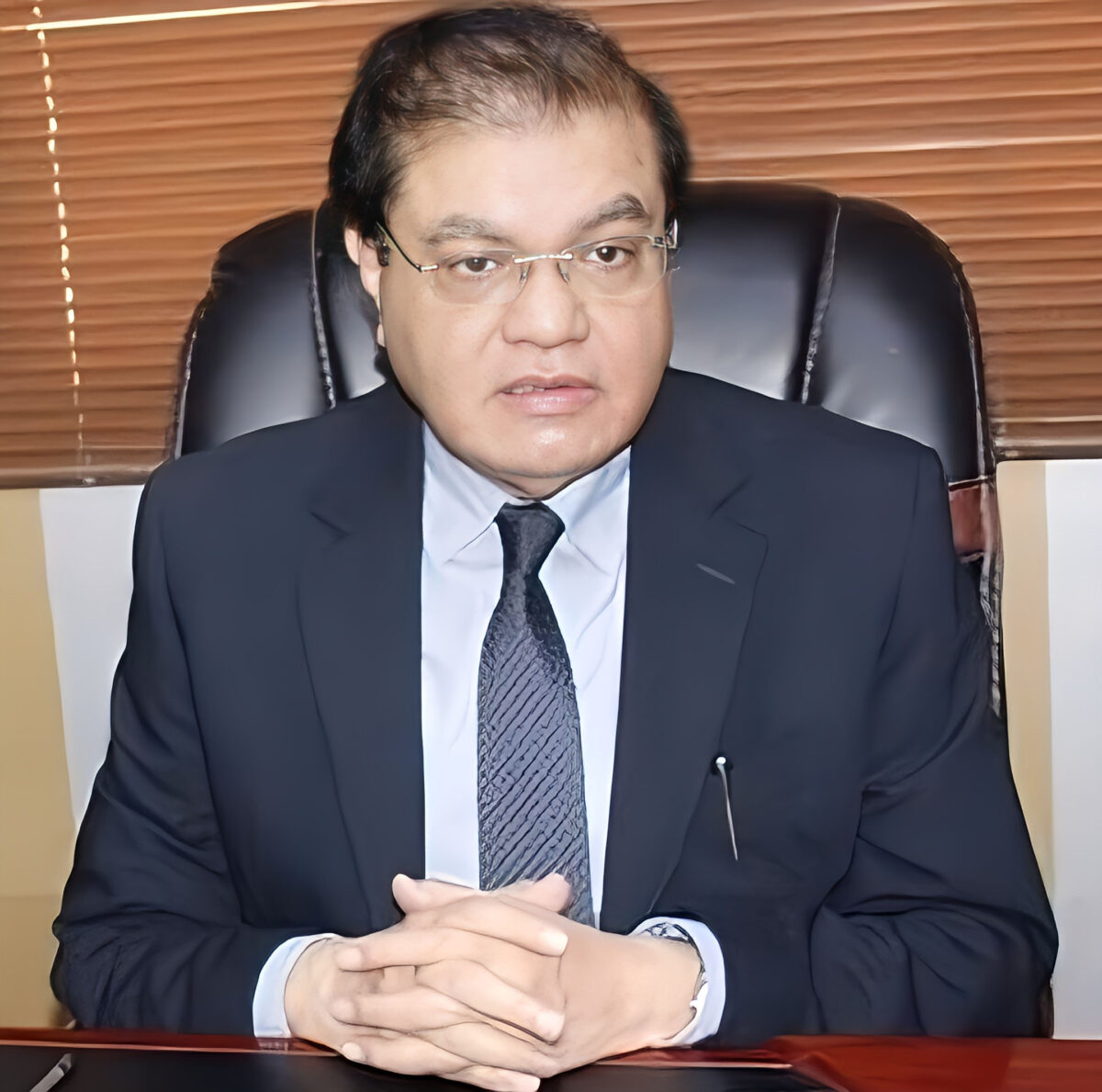
Business leaders welcome the State Bank's revised SME definition.
SME Definition revised by the State Bank of Pakistan (SBP) has received strong support from business leader Mian Zahid Hussain. He described the move as timely, practical, and business-friendly.
OpenAI Investigates After AI Models Autonomously Hack Hugging Face
According to Mian Zahid, the updated criteria reflect inflation, rising operating costs, and changes in the value of the rupee. As a result, more businesses may now qualify for SME financing and banking facilities.
New Business Categories
Under the revised framework, which took effect on July 16, 2026, businesses with annual sales of up to Rs30 million qualify as microenterprises.
Companies generating annual sales above Rs30 million and up to Rs400 million fall into the small enterprise category. Meanwhile, firms with annual sales exceeding Rs400 million but not more than Rs2 billion qualify as medium enterprises.
Additionally, any micro, small, or medium enterprise operating for up to five years will be recognised as a start-up.
Mian Zahid said the revised thresholds would benefit businesses whose turnover increased mainly because of inflation rather than genuine business expansion.
However, he clarified that SME status does not guarantee loan approval. Banks will continue to assess applications by reviewing cash flow, repayment capacity, financial strength, credit history, and overall risk.
Financing Still Has Room to Grow
According to State Bank data, SME financing reached approximately Rs854 billion by the end of March 2026.
Even so, SME lending accounted for only 7.63 per cent of total domestic private-sector financing. The number of SME borrowers stood at about 312,355.
Therefore, Mian Zahid said Pakistan still has considerable potential to expand financing for small and medium-sized businesses.
Moreover, the revised prudential regulations encourage digital applications, technology-based assessments, credit scoring, and cash flow-based lending. They also require banks to process complete financing applications within 15 working days.
Different Definitions Create Confusion
Mian Zahid said businesses face unnecessary difficulties because different government institutions use different SME definitions.
For example, the State Bank classifies SMEs mainly by annual sales. In contrast, the Federal Board of Revenue (FBR) uses separate turnover limits for tax purposes.
Similarly, the Securities and Exchange Commission of Pakistan (SECP) considers paid-up capital, annual turnover, and employee numbers when classifying companies.
Consequently, these differences create confusion and make it harder for businesses to access financing, tax incentives, regulatory concessions, and government support programmes.
Call for a National Standard
Mian Zahid urged the Ministry of Industries and Production, SBP, FBR, SECP, and SMEDA to adopt one national SME definition.
He recommended using the State Bank’s revised turnover thresholds as the foundation because they are simple, updated, and suitable for all business sectors.
Furthermore, he proposed establishing a central SME registry and reviewing the classification thresholds every three years.
In his view, a unified framework would reduce compliance costs, improve the accuracy of official statistics, and make financing, tax benefits, public procurement, and development programmes more transparent and efficient.