British Steel: China Condemns UK Nationalisation and Demands Investment Protections
Beijing accuses Britain of violating investor rights after the UK nationalises British Steel, raising fresh concerns over bilateral economic relations.
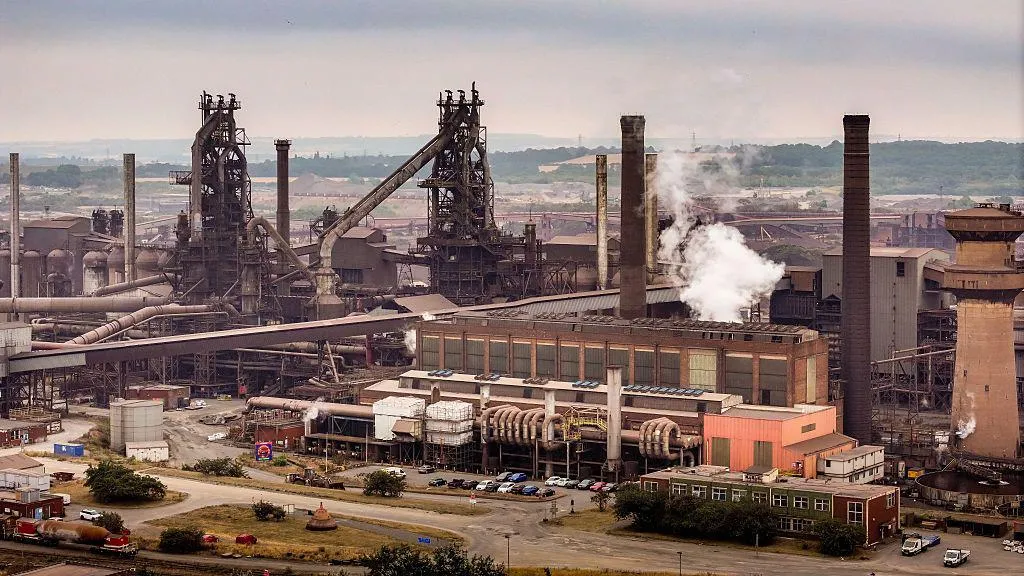
British Steel's Scunthorpe plant remains under government control after nationalisation.
LONDON: British Steel has become the latest source of tension between the United Kingdom and China after Beijing strongly criticised the British government’s decision to nationalise the struggling steelmaker, arguing that the move undermines the rights of Chinese investors.
China’s Ministry of Commerce said on Friday that it “firmly opposes and is strongly dissatisfied” with Britain’s decision to take the company into public ownership. The ministry argued that the action infringed on the legitimate rights of Jingye Group, the Chinese company that owned British Steel before the nationalisation.
The UK government announced on Thursday that nationalising British Steel would protect thousands of jobs and preserve a strategic industrial capability that it considers vital to the country’s national interests.
Foreign Investment: Gulf Tensions Trigger Bahrain’s Exit from Pakistan Bonds
Although the British government assumed operational control of British Steel’s Scunthorpe plant last year, Jingye Group retained ownership, limiting ministers’ ability to determine the company’s long-term future. The new legislation gives the government full authority to manage the business and decide its future direction.
China urged Britain to honour its commitments under the China-UK Bilateral Investment Treaty, a legally binding agreement signed in 1986 to protect investments between the two countries.
The ministry accused Britain of using national security as a justification to seize control of the company despite Jingye’s contribution to the British economy. It added that Beijing would closely monitor developments and support Chinese companies in protecting their legal rights, although it did not outline any specific measures.
The dispute could place additional pressure on relations between London and Beijing as Andy Burnham prepares to take office as the UK’s prime minister on Monday. The incoming leader will face the challenge of balancing national security priorities with the economic benefits of maintaining strong trade and investment ties with the world’s second-largest economy.
Parliament approved legislation on Wednesday allowing the government to nationalise steel companies when doing so serves the public interest. The new law paved the way for the government to bring British Steel into public ownership.
Jingye has reportedly sought compensation after previously stating that the company was losing approximately £700,000 a day. The company has not publicly responded to the government’s latest announcement.
The government now has full control over British Steel’s operations and plans to keep the Scunthorpe blast furnaces running while deciding the company’s long-term future. However, ministers have indicated that they do not intend to operate the business permanently because of its high operating costs.
The National Audit Office estimated in March that the Scunthorpe steelworks cost the government around £1.3 million a day. Business Secretary Peter Kyle said the government would continue funding the plant’s operating costs for the immediate future.