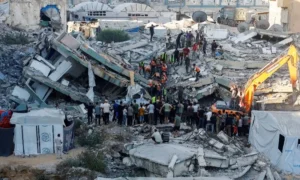
US-Iran Conflict: Tehran Launches Fresh Attacks on US Bases as Washington Expands Airstrikes
Iran targeted US military facilities across Gulf states while American forces struck military sites inside Iran, escalating regional tensions despite earlier efforts to ease the conflict.
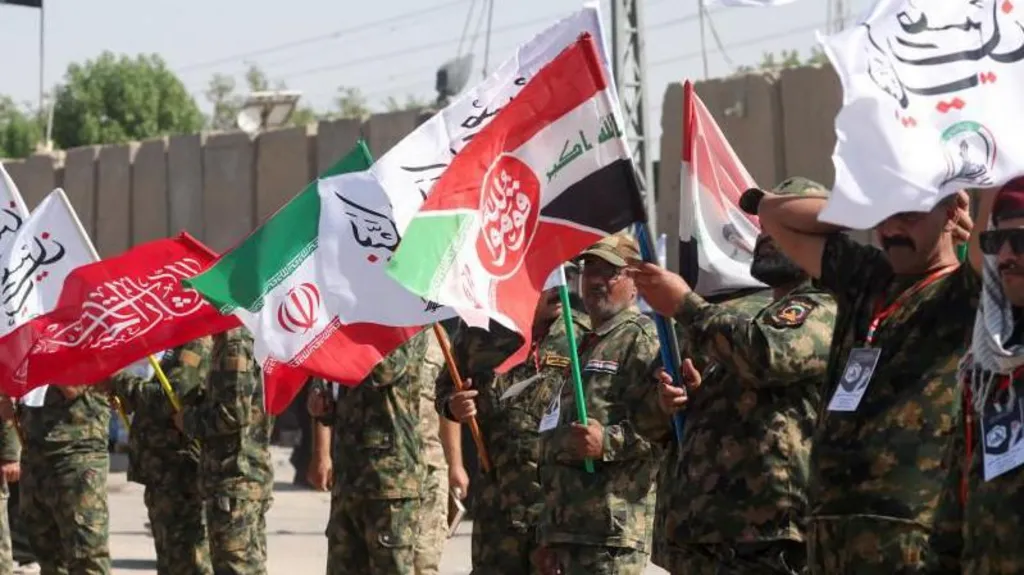
Smoke rises after US military strikes during the escalating conflict with Iran.
US-Iran Conflict intensified on Wednesday as Iran launched a new wave of attacks against US military bases across the Gulf region, while the United States carried out overnight strikes on multiple military targets inside Iran, further undermining recent diplomatic efforts to reduce hostilities.
Iran said it targeted US military facilities in Jordan, Kuwait and Bahrain as fighting entered its sixth day following the collapse of a preliminary agreement aimed at ending the conflict.
At the same time, the US military confirmed that it conducted a six-hour operation targeting command centres, air defence systems and coastal surveillance facilities across Iran. US Central Command (CENTCOM) said the strikes aimed to weaken Iran’s ability to threaten commercial shipping in the Strait of Hormuz, one of the world’s most important energy transit routes.
US Aid: House Rejects Amendment to End Military Assistance to Israel Amid Growing Democratic Divide
The latest escalation followed a warning from US President Donald Trump, who said Iran “had better behave” or face additional military action if it refused to return to negotiations. Earlier this week, Trump also threatened to target Iran’s energy infrastructure should diplomatic talks fail.
Iranian Parliament Speaker Mohammad Bagher Ghalibaf rejected the warning, saying Tehran had “no reason” to honour any agreement that did not serve the country’s national interests. He added that Iran’s security depended on maintaining what he described as Iranian control over the Strait of Hormuz.
According to CENTCOM, US forces struck military facilities in several locations, including the southern port city of Bandar Abbas and Greater Tunb Island. Iranian state media reported explosions across the country and said air defence systems responded to the attacks in Tehran and other areas.
Following the US strikes, Gulf countries reported fresh security incidents. Kuwait’s military said it intercepted several drones, while Bahrain’s Interior Ministry urged residents to remain calm and move to the nearest safe location as a precaution.
Iran’s military also claimed responsibility for targeting US communication systems and fuel storage facilities in Jordan during its latest military operation.
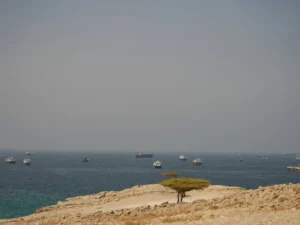
The Strait of Hormuz remains effectively closed after Iran restricted shipping in response to recent US and Israeli military operations. The strategic waterway handles a significant share of the world’s oil exports, making any disruption a major concern for global energy markets.
The United States also reinstated its blockade of Iranian ports after previously easing restrictions under a memorandum of understanding signed by both countries last month. On Wednesday, US forces intercepted and disabled an empty Curacao-flagged oil tanker that CENTCOM said was heading toward a blockaded Iranian port.
In response, Iran’s Revolutionary Guard Corps warned that the United States should expect further disruption to regional oil and gas export routes that support US interests and its allies, although officials did not identify specific locations.
The continued military exchanges have heightened concerns over regional stability and global energy supplies, with oil prices rising sharply as commercial tanker traffic through the Strait of Hormuz slowed significantly.