

World Oil Prices: Crude Climbs as U.S. Strikes Iran and Hormuz Tensions Escalate
Oil prices advanced after fresh U.S. military strikes on Iran and the renewed naval blockade raised concerns over energy supplies through the Strait of Hormuz.
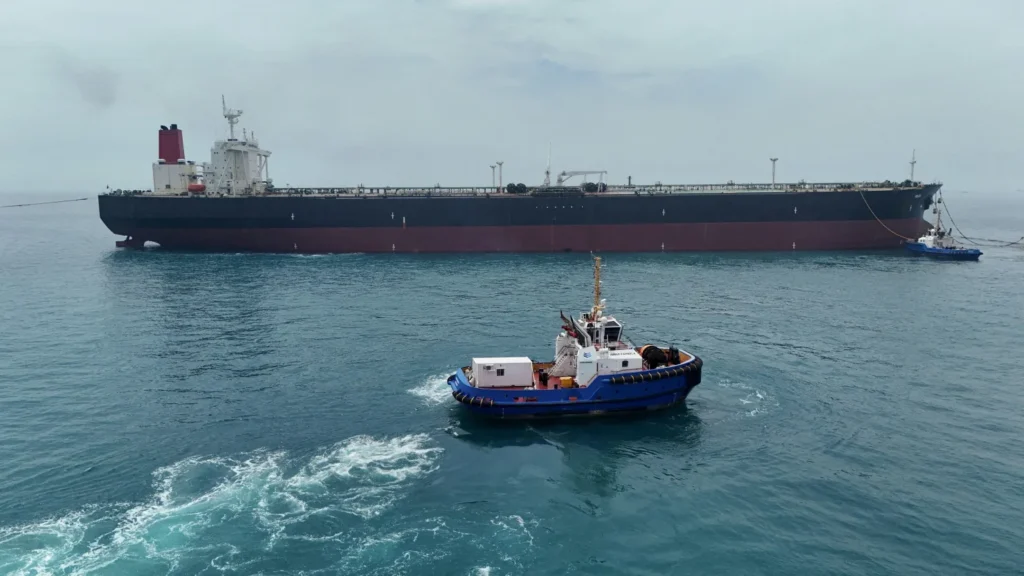
Oil tankers transit near the Strait of Hormuz amid rising regional tensions.
World Oil Prices edged higher on Wednesday as renewed U.S. military action against Iran and growing tensions around the Strait of Hormuz increased fears of supply disruptions in global energy markets.
U.S. West Texas Intermediate (WTI) crude for August delivery rose 0.45% to $79.70 per barrel. International benchmark Brent crude for September delivery gained 0.68% to $85.31 per barrel.
The market reacted after U.S. Central Command (CENTCOM) confirmed that American forces launched another wave of strikes against Iranian military targets late Tuesday. The operation lasted seven hours and targeted missile sites, drone facilities, naval assets, and coastal defense systems near the Strait of Hormuz and along Iran’s coastline.
Cashless Economy: PM Shehbaz Pushes Digital Payments, Backs Stronger UN Role
CENTCOM said the strikes aimed to reduce Iran’s ability to threaten commercial shipping through one of the world’s most important oil transit routes.
Earlier in the day, U.S. forces also reinstated a naval blockade on vessels traveling to and from Iranian ports, adding to concerns over maritime security in the Gulf.
CENTCOM Commander Admiral Brad Cooper said Iran had deliberately targeted civilians and attacked seven commercial vessels during the past week. According to his statement, the attacks left around a dozen crew members dead, injured, or missing.
Energy analysts warned that the latest developments could keep oil markets under pressure. Saul Kavonic, Senior Energy Analyst at MST Marquee, said expectations for a quick reopening of the Strait of Hormuz had proved premature.
He added that the renewed military escalation and naval blockade have increased geopolitical risks. Kavonic said crude prices could test $100 per barrel if the current level of conflict continues for several weeks. Prices could rise even further if attacks spread to regional oil infrastructure.
The Strait of Hormuz remains one of the world’s most strategic energy corridors, carrying a significant share of global oil exports. Any disruption to shipping through the waterway can quickly affect international energy markets and fuel price volatility.