US-Iran Talks: Ishaq Dar says Lebanon strikes nearly disrupted Switzerland negotiations
ISLAMABAD: Deputy Prime Minister and Foreign Minister Ishaq Dar said talks between the United States and Iran in Switzerland were close to collapse because of continued Israeli attacks in Lebanon.
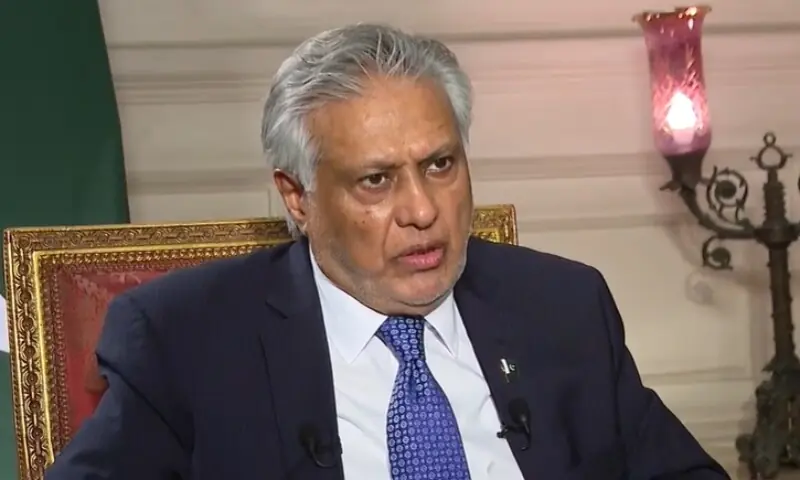
Ishaq Dar speaks about diplomatic efforts linked to US-Iran negotiations.
ISLAMABAD: Deputy Prime Minister and Foreign Minister Ishaq Dar said talks between the United States and Iran in Switzerland were close to collapse because of continued Israeli attacks in Lebanon.
In an interview with Al Arabiya recorded before the talks began, Dar said the negotiations could have started earlier but regional developments delayed progress.
He said renewed fighting in Lebanon interrupted diplomatic momentum and complicated efforts to move negotiations forward.
Iran Visit: President Pezeshkian arrives in Pakistan for high-level talks
Pakistan highlights mediation efforts
Dar said Pakistan had remained actively engaged since the conflict began on February 28.
He recalled the Pakistan-mediated ceasefire and later diplomatic engagement that led to talks in Islamabad in April.
According to Dar, those discussions marked the first direct US-Iran dialogue in 47 years and Pakistan participated as a witness.
He said Pakistan continued diplomatic outreach that later contributed to the signing of the Islamabad Memorandum of Understanding on June 18.
Dar added that Pakistan maintained communication with regional allies and international partners throughout the process.
He said cooperation also developed with Egypt, Saudi Arabia and Turkiye alongside engagement with Gulf states.
Technical groups formed for negotiations
Speaking about the Switzerland discussions in Burgenstock, Dar described the summit as the second phase of negotiations.
He said three technical groups had been formed.
One group will address nuclear issues.
A second group will focus on sanctions and frozen assets.
A third group will work on Lebanon-related concerns.
Dar said some issues carry a 30-day target for completion, while the broader agreement is expected within 60 days.
He added that both sides could extend the timeline if required.
Strait of Hormuz and regional stability
Dar said early signs of stability were already visible.
He pointed to lower energy prices and resumed shipping activity through the Strait of Hormuz.
He said Pakistan supports restoring the waterway to pre-conflict conditions.
According to Dar, that means unrestricted movement without tolls or additional charges.
He also referred to discussions held during his March visit to China.
He said both countries supported uninterrupted movement through international sea lanes.
Dar described open access through the strait as a global interest.
He said free navigation should continue during the current negotiation period.
Hope for final agreement
When asked about guarantees concerning Lebanon, Dar said mediators must continue engaging all sides.
He acknowledged that moments during negotiations created doubts about reaching an agreement.
However, he said facilitators remained committed to keeping discussions alive.
Dar also called on the international community to encourage restraint and support regional peace efforts.
Discussing Iran’s uranium stockpile, he said Tehran had shown flexibility during earlier discussions.
He referred to technical options that included reducing enrichment levels.
Dar expressed optimism about the negotiations and said Pakistan had pursued diplomacy without political gain.
He said he remained confident that continued international support could help both sides reach a final agreement.