Strait of Hormuz Opens After US-Iran Agreement Announcement
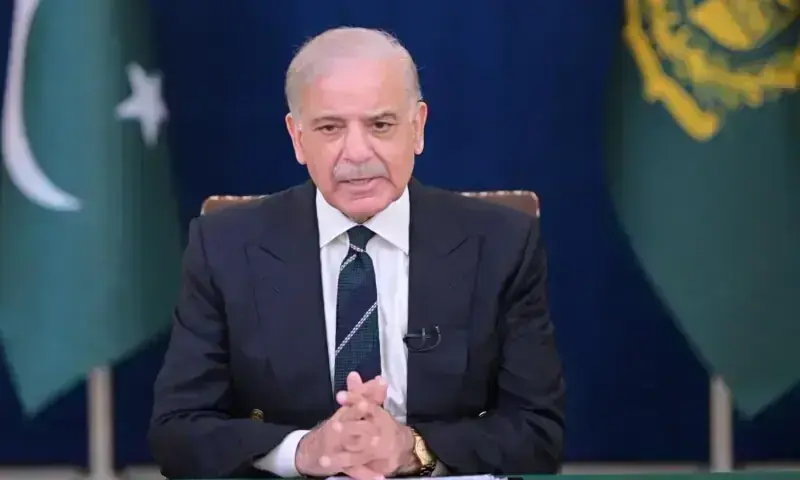
Leaders endorse the US-Iran memorandum through electronic signatures.
The Strait of Hormuz Open announcement became the central development after Prime Minister Shehbaz Sharif confirmed that the US-Iran Memorandum of Understanding had been signed electronically by both sides. According to the agreement, Iran would immediately reopen the vital shipping route while the United States would begin lifting the naval blockade.
The development carries major regional and economic significance because the waterway remains essential for global energy supplies and international trade. Pakistan also presented itself as a diplomatic facilitator during the agreement process.
ICMA International Hosts Finance Summit Driving Pakistan Budget Reforms Dialogue
Shehbaz Sharif Confirms Digital Agreement
Prime Minister Shehbaz Sharif stated that the presidents of both countries signed the memorandum electronically. He also said he endorsed the agreement in his role as mediator.
Furthermore, he stated that Iran would immediately reopen the Strait of Hormuz while the United States would lift the naval blockade as an initial implementation measure.
Initially, the Prime Minister’s Office indicated that an official ceremony would take place in Switzerland with support from Qatar. However, that reference was later removed.
Donald Trump Signs US-Iran MoU
US President Donald Trump reportedly signed the memorandum following the G7 summit gathering in France.
Video shared publicly showed Trump confirming completion of the signing process. Iranian officials later stated through state media that the agreement had been finalised with presidential signatures.
Meanwhile, Iranian Foreign Ministry spokesperson Esmaeil Baqaei said no physical signing ceremony would take place because electronic signatures had already completed the process.
Pakistan Highlights Diplomatic Role
The US-Iran MoU announcement included recognition of diplomatic efforts from multiple countries.
Prime Minister Shehbaz praised negotiations and highlighted contributions from US officials including Vice President JD Vance and envoys involved in discussions.
He also acknowledged regional engagement by Qatar, Saudi Arabia, Türkiye and Egypt.
Additionally, Pakistan’s leadership recognised internal diplomatic coordination and stated that continued engagement supported regional stability.
Nuclear Terms and Economic Measures
The agreement includes provisions linked to Iran’s nuclear programme and future economic arrangements.
According to the released terms, Iran agreed not to pursue nuclear weapons and discussions would continue regarding management of enriched uranium stocks.
The proposal notes that existing enriched uranium could be diluted under supervision of the International Atomic Energy Agency.
Moreover, the United States committed to easing oil-related restrictions immediately while broader sanctions arrangements would depend on future implementation.
Reconstruction Fund and Future Negotiations
The memorandum also outlines plans connected to economic recovery and future negotiations.
Once a final agreement is reached regarding the nuclear programme, the United States would facilitate a reconstruction framework valued at approximately $300 billion with support from regional partners.
President Asif Ali Zardari described the agreement as a historic diplomatic development and stated that peace and economic cooperation should guide future regional policy.
The document sets the foundation for additional technical discussions and future negotiations intended to achieve a permanent settlement.
Regional Leaders Call for Peace
Pakistan’s leadership concluded that dialogue remains essential for long-term regional stability.
Officials expressed hope that implementation of the agreement would reduce tensions and support economic development across the region.
They also called for full compliance with the memorandum and timely progress toward a final agreement aimed at durable peace and stronger regional cooperation.