Lahore Fort Reveals Hidden Underground Chambers Mystery
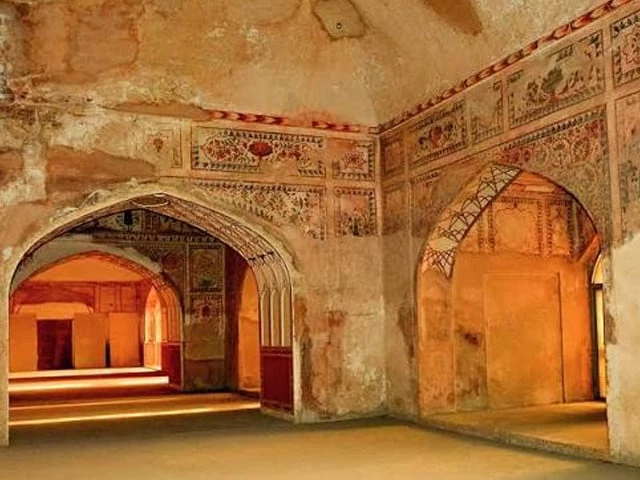
A hidden underground chamber network beneath Lahore Fort reveals Mughal architectural mystery and centuries-old corridors. PHOTO BY THE AZB
The Lahore Fort has revealed a long-hidden underground world during recent restoration work. These findings reportedly include a complex network of chambers beneath one of Pakistan’s most iconic Mughal heritage sites.
The discovery matters because it reshapes how historians understand the Lahore Fort and its architectural evolution. Moreover, it raises fresh questions about Mughal engineering, security systems, and royal usage of hidden spaces.
Lahore Fort Underground Chamber Network
The underground structure at Lahore Fort consists of interconnected rooms and passageways. Experts reportedly identified nearly 35 chambers linked through narrow corridors.
Some chambers appear completely dark with no natural ventilation. However, wall niches suggest oil lamps once lit these spaces. As restoration progressed, more rooms reportedly re-emerged under layers of soil and debris.
Interestingly, the layout creates the impression of a second fort beneath the main structure. This has intensified historical curiosity around the Lahore Fort and its hidden design logic.
Restoration Work Reveals Hidden Passages
During restoration efforts, conservation teams uncovered deteriorated ceilings and cracked walls. According to conservation experts, the chambers were buried under centuries of dust and moisture.
Naheed Iftikhar from Aga Khan Cultural Services Pakistan reportedly stated that the team “knew something unusual existed.” As debris was removed, new architectural patterns continued to emerge.
Furthermore, the restoration revealed that these passages were not uniform. Some sections appeared older, while others showed later Mughal-era construction styles.
Lahore Fort Architectural Mystery Deepens
The Lahore Fort now presents a dual structure—one visible above ground and one hidden below. This architectural complexity has deepened scholarly debate.
Historians reportedly disagree on the purpose of these underground chambers. Some suggest royal shelter use during emergencies. Others believe they may have functioned as detention or punishment spaces.
However, many experts argue that the chambers were part of a broader defensive and structural system. The uncertainty continues to add mystery to the Lahore Fort narrative.
Mughal Era Construction Theories Explained
Experts believe the underground network may have been built in different phases. Some architectural features suggest origins during Emperor Jahangir’s reign.
Meanwhile, other design elements resemble the Shah Jahan era. This layered construction approach indicates long-term expansion and adaptation within the Lahore Fort complex.
Additionally, carved niches and corridor designs suggest controlled lighting systems were once in place. This supports theories of strategic underground usage rather than random construction.
Lahore Fort Visitor Experience Underground
Above ground, visitors explore famous landmarks like Sheesh Mahal and Alamgiri Gate. However, the underground chambers reveal a completely different experience.
Narrow staircases lead into silent corridors that feel isolated from the vibrant upper fort. As a result, visitors reportedly feel as if they are entering a hidden historical layer.
This contrast enhances the cultural value of the Lahore Fort, making it not just a monument, but a multi-layered historical archive.