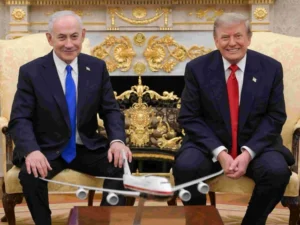
Trump Rejects Iran’s ‘Unacceptable’ Peace Response as Gulf Tensions Push Oil Prices Higher
Web Desk May 11, 2026Tehran/Washington: Regional tensions escalated further on Monday after Donald J. Trump rejected Iran’s response to a proposed U.S. peace initiative, while Tehran accused Washington of making “unreasonable demands” amid the ongoing Middle East conflict.
Tehran/Washington: Regional tensions escalated further on Monday after Donald J. Trump rejected Iran’s response to a proposed U.S. peace initiative, while Tehran accused Washington of making “unreasonable demands” amid the ongoing Middle East conflict.
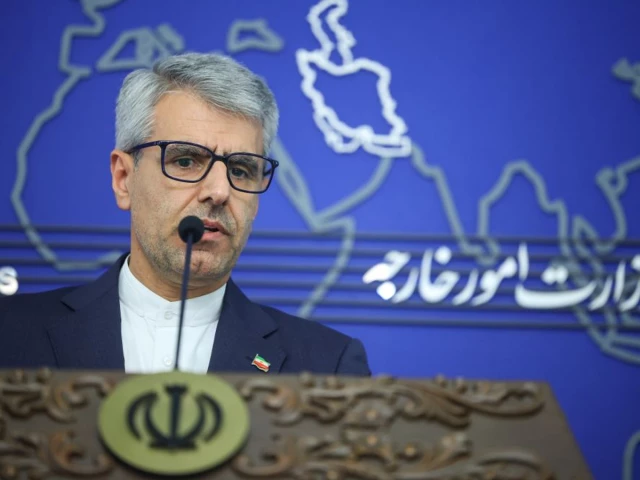
Speaking during a press conference, Iranian Foreign Ministry spokesperson Esmail Baghaei said stability and security across the region had been seriously undermined by the continuing crisis. He stressed that Iran’s response to the American proposal, which Tehran reportedly sent to Pakistan for diplomatic communication, was balanced and justified.
According to Baghaei, the United States continues to pursue unrealistic expectations in negotiations with Iran.
“Whenever we are forced to fight, we will fight, and whenever there is room for diplomacy, we will seize that opportunity,” Baghaei stated, adding that Iran’s decisions would remain guided by national interests and the protection of its people.
The latest diplomatic clash comes after Tehran issued a response focused on ending hostilities across the region, particularly in Lebanon, where Israel continues military operations against Iran-backed Hezbollah militants.
Iran’s proposal reportedly demanded compensation for war damages, the lifting of U.S. sanctions, guarantees against future attacks, and recognition of Iranian sovereignty over the Strait of Hormuz. Tehran also called for an end to restrictions affecting Iranian oil exports and maritime activity.
Within hours, Trump dismissed Tehran’s proposal in a post on Truth Social, calling it “TOTALLY UNACCEPTABLE” without providing additional details.
The rejection immediately rattled global energy markets, with oil prices surging more than $4 per barrel amid fears that the conflict could continue disrupting shipping routes through the Strait of Hormuz — one of the world’s most critical energy corridors through which nearly one-fifth of global oil and liquefied natural gas supplies normally pass.
Market analysts warned that oil prices are now reacting sharply to every diplomatic development between Washington and Tehran.
Meanwhile, shipping activity through the Strait of Hormuz remains severely limited. Data from maritime tracking services indicated that only a handful of crude oil tankers successfully transited the waterway last week, with several vessels reportedly disabling tracking systems to avoid potential attacks.
The conflict has also increased political pressure inside the United States, where rising fuel prices are becoming a growing concern ahead of upcoming national elections. Washington has struggled to secure broader international military support, as several NATO allies reportedly declined requests to participate in operations aimed at reopening the Strait without a comprehensive peace agreement.
Trump is expected to arrive in Beijing later this week, where the Iran crisis is expected to feature prominently in discussions with Chinese President Xi Jinping. Washington is reportedly urging China to use its influence to encourage Tehran toward a negotiated settlement.
Despite ongoing diplomatic efforts, both sides continue to signal readiness for prolonged confrontation.
Israeli Prime Minister Benjamin Netanyahu said the conflict was “not over,” stressing that more action was needed regarding Iran’s uranium enrichment capabilities, missile systems, and regional proxy groups.
At the same time, Iranian President Masoud Pezeshkian declared that Iran would “never bow down to the enemy” and would continue defending its national interests.
Regional security concerns intensified further after the United Arab Emirates reported intercepting two drones allegedly launched from Iran, while Qatar condemned a drone strike targeting a cargo vessel in its waters. Kuwait also confirmed that its air defense systems intercepted hostile drones entering its airspace.
Meanwhile, clashes continue in southern Lebanon between Israeli forces and Hezbollah fighters despite a U.S.-brokered ceasefire announced earlier this year.
Analysts warn that unless diplomatic negotiations resume successfully, the conflict could continue threatening regional stability, global energy supplies, and international trade routes.