Food Minister Reviews Wheat Procurement Campaign, Orders Crackdown on Hoarding and Ensures Transparency in Digital Payment System
Web Desk May 6, 2026Karachi: Sindh Minister for Food, Makhdoom Mehboob-uz-Zaman, chaired an important meeting of the Food Department to review the ongoing wheat procurement campaign, digital payment system, transparency measures, and action against hoarding across the province.
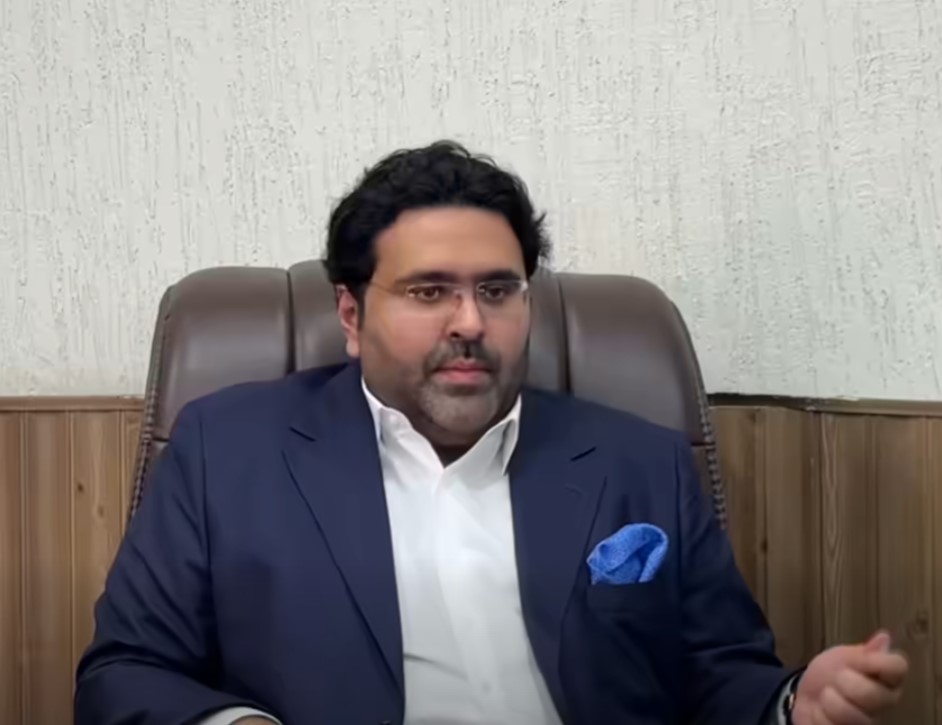
Karachi: Sindh Minister for Food, Makhdoom Mehboob-uz-Zaman, chaired an important meeting of the Food Department to review the ongoing wheat procurement campaign, digital payment system, transparency measures, and action against hoarding across the province.
The meeting was attended by the Secretary Food, all divisional commissioners, and senior officials of the department. The Secretary Food briefed the participants on the progress of wheat procurement, stating that due to verification requirements in the digital payment system, the procurement process had been slightly slower than expected.
He informed the meeting that so far, the procurement of 500,000 wheat bags has been completed as part of the ongoing campaign.
Speaking on the occasion, the provincial minister reiterated that no form of corruption or malpractice would be tolerated in the wheat procurement process. He emphasized that while the process may be slower, transparency remains the government’s top priority.
Makhdoom Mehboob-uz-Zaman directed that the presence of district administration officials at procurement centers be ensured to maintain transparency and accountability. He also highlighted that subsidy and special facilities have been provided to farmers under the Haria Card initiative.
The minister warned that growers who fail to supply wheat to the government would not be eligible for future subsidies. He further instructed strict legal action against individuals involved in wheat hoarding.
He directed all commissioners to take immediate action against hoarders, stating that enforcement agencies including Anti-Corruption and law enforcement bodies would be involved in operations against illegal stockpiling.
The minister also revealed that references have been sent to NAB and Anti-Corruption authorities against corrupt officials, while several officers involved in misconduct have already been removed from service.
He stressed that the wheat procurement campaign is being made transparent, organized, and farmer-friendly, and instructed officials to ensure strict monitoring at all procurement centers.
Delays in procurement would be tolerated, he said, but corruption and non-transparent practices would not be accepted under any circumstances.