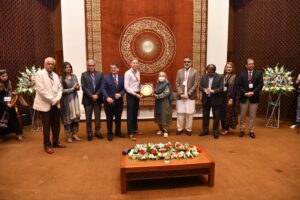
Arts Council Karachi Launches Late Poet Rashid Noor’s “Lamha-e-Maujood”
Web Desk April 26, 2026Karachi — The Arts Council of Pakistan Karachi hosted a book launch ceremony for “Lamha-e-Maujood”, a poetry collection by the late journalist and poet Rashid Noor, at the Josh Malihabadi Library.
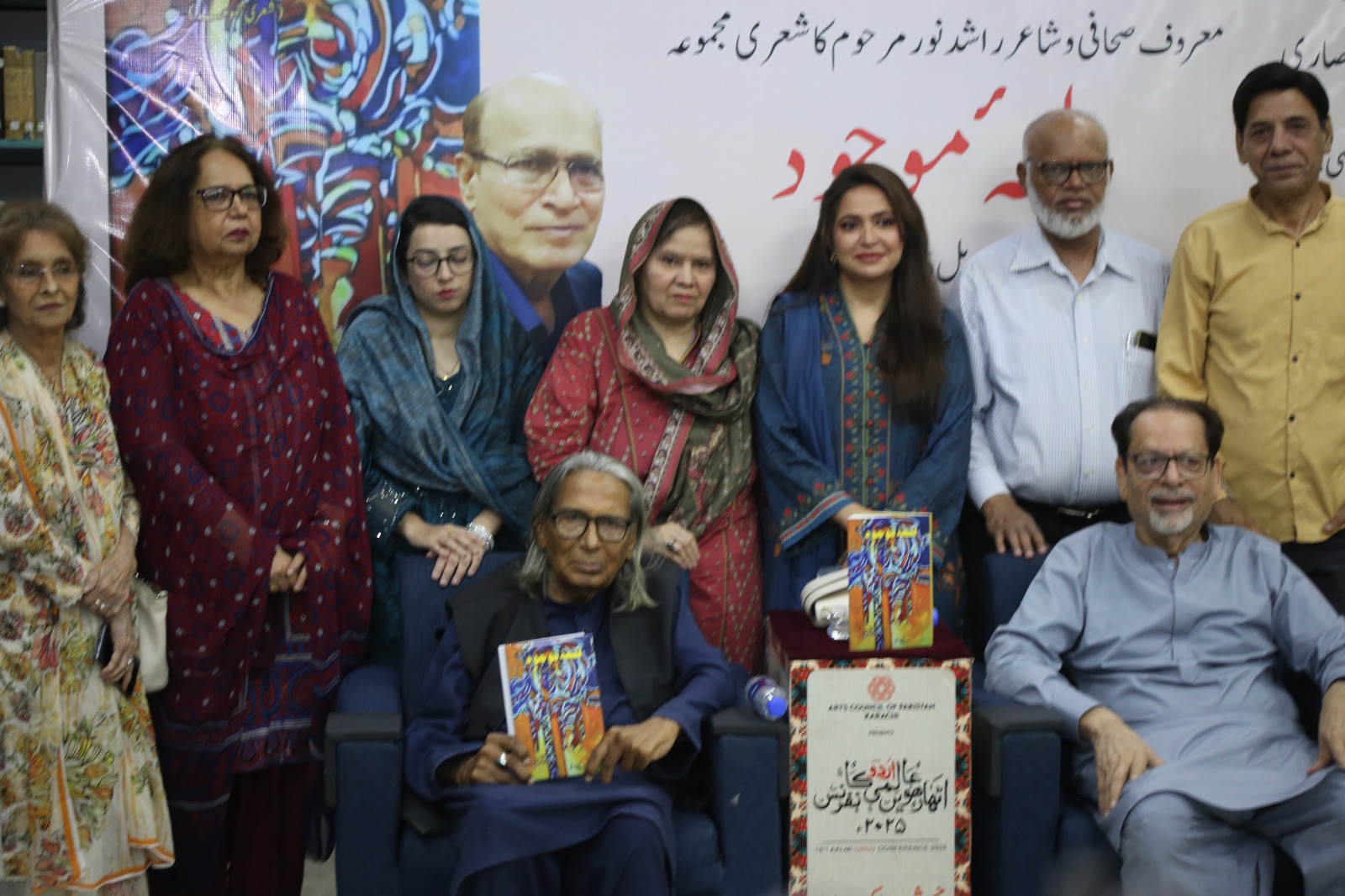
Karachi — The Arts Council of Pakistan Karachi hosted a book launch ceremony for “Lamha-e-Maujood”, a poetry collection by the late journalist and poet Rashid Noor, at the Josh Malihabadi Library.
Iran FM Araghchi Returns to Islamabad as US-Iran Talks Face Fresh Uncertainty
The event was presided over by Sahar Ansari, while Muhammad Ahmed Shah attended as chief guest. Prominent speakers included Rukhsana Saba, Salman Siddiqui, Ambreen Haseeb Amber, Wasi Qureshi, and the poet’s daughter Mahnoor Noor. The session was moderated by Shakeel Khan.
In his presidential address, Sahar Ansari described the occasion as a mix of joy and sorrow, appreciating the Arts Council for publishing Noor’s work. He noted that Rashid Noor held a significant place in Karachi’s literary landscape and was admired for his sincerity and commitment to literature. “His name will always remain alive in the world of literature,” he said.
Chief guest Muhammad Ahmed Shah recalled his close association with the late poet, describing him as both a talented ???? and a dear friend. He added that the Arts Council had pledged to publish Noor’s book during a condolence reference, a promise now fulfilled. He termed the publication a meaningful gift for Noor’s friends and Urdu literature readers.
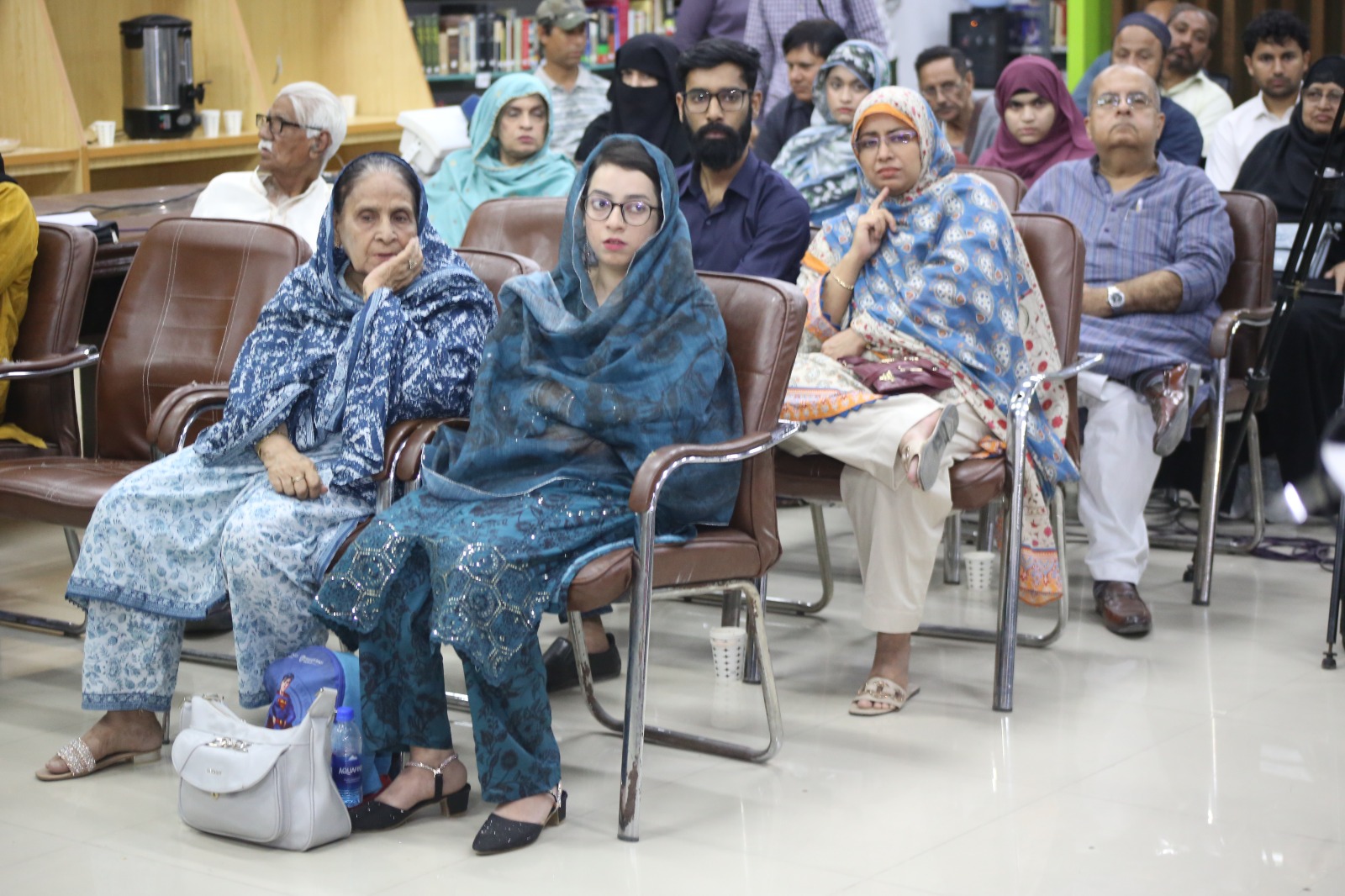
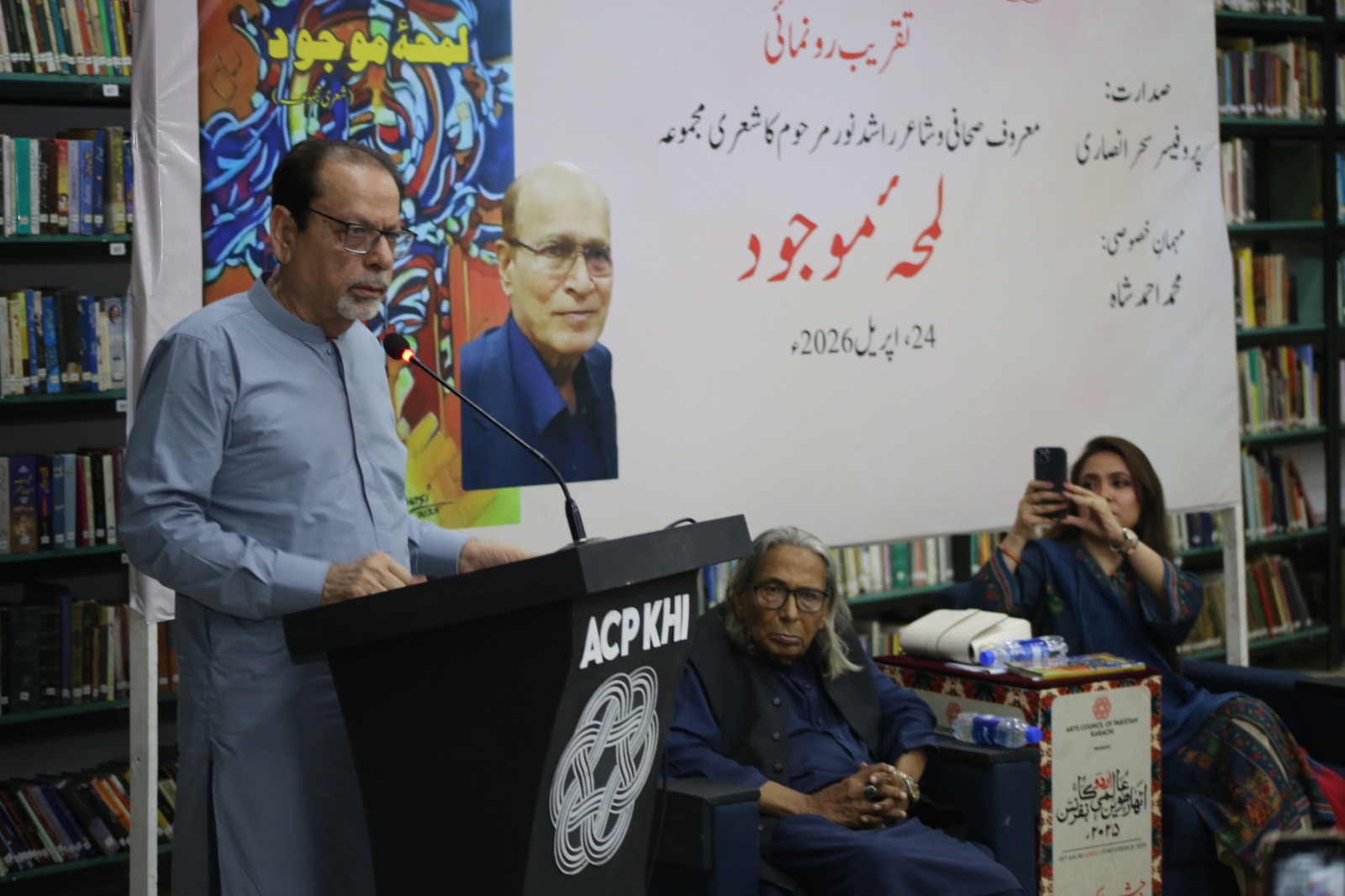
Salman Siddiqui remarked that Rashid Noor continues to live through his writings, calling him an unforgettable literary figure whose creative journey is reflected in the collection. Dr Ambreen Haseeb Amber highlighted the emotional depth and subtle pessimism in Noor’s poetry, noting its unique blend of personal feelings with social and political commentary, enriched by delicate satire.
Wasi Qureshi, reflecting on his 32-year association with the poet, said that although Rashid Noor is no longer physically present, his memory continues to resonate strongly among his peers. He described him as a gentle and humane writer whose legacy endures through his work.
The ceremony concluded with a tribute to Rashid Noor’s lasting contribution to Urdu literature, as attendees acknowledged the significance of preserving his poetic voice for future generations.