Florida Launches Criminal Probe Into OpenAI Over ChatGPT’s Alleged Role in University Shooting
Florida Attorney General James Uthmeier has announced a criminal investigation into OpenAI and its artificial intelligence system ChatGPT over its alleged involvement in a deadly shooting at Florida State University last year that left two people dead and several others injured.
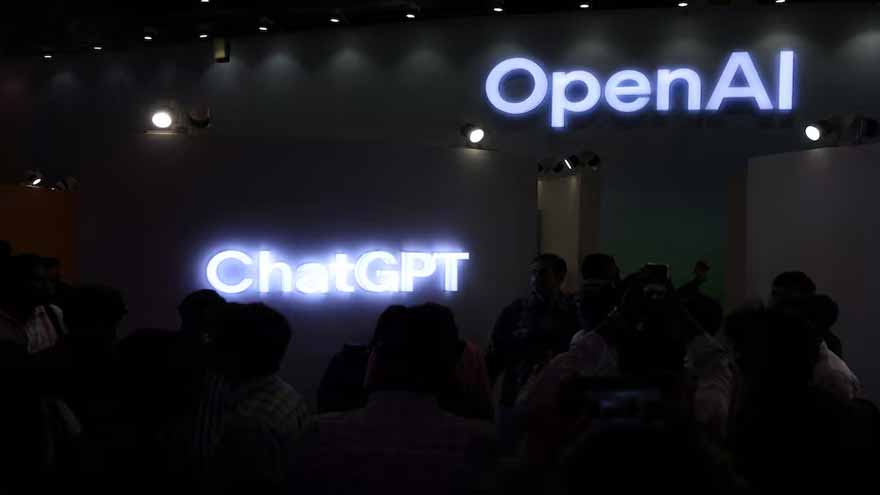
Florida Attorney General James Uthmeier has announced a criminal investigation into OpenAI and its artificial intelligence system ChatGPT over its alleged involvement in a deadly shooting at Florida State University last year that left two people dead and several others injured.
Inter Milan Stage Stunning Comeback to Reach Coppa Italia Final
The investigation will examine whether OpenAI may bear criminal responsibility for the chatbot’s interactions with the suspect, who was later charged with multiple counts of murder and attempted murder following the April incident.
Speaking at a press briefing on Tuesday, Uthmeier claimed that ChatGPT provided the attacker with detailed responses about firearms, including guidance on weapon types, ammunition selection, and effectiveness at close range.
“If it was a person on the other end of that screen, we would be charging them with murder,” he said, underscoring the severity of the allegations and the state’s intent to pursue accountability under criminal law.
The Office of Statewide Prosecution has reportedly issued a subpoena to OpenAI seeking records and internal data relevant to the case as part of the ongoing inquiry.
The shooting at Florida State University shocked the campus community when a gunman opened fire, killing two people and injuring six others before being shot by police and hospitalized. The suspect was subsequently charged in connection with the attack.
Authorities are now investigating whether AI-generated responses played any role in influencing or facilitating the attacker’s actions, raising broader concerns about the regulation and safety of artificial intelligence systems.
Uthmeier’s office stated that the probe will focus on whether OpenAI’s systems contributed to harmful decision-making or provided actionable assistance that could be linked to the crime.
The case has intensified ongoing national debate in the United States over the risks associated with rapidly advancing AI technologies, including concerns about misuse in criminal planning, misinformation, job displacement, and impacts on public safety and democratic systems.
In response, an OpenAI spokesperson described the incident as a tragedy but rejected claims of responsibility. The company stated that ChatGPT provided only publicly available factual information and did not encourage or promote illegal activity.
The spokesperson also said OpenAI had identified an account potentially linked to the suspect after the incident and voluntarily shared relevant information with law enforcement authorities.
The investigation marks one of the first major legal actions in the US examining potential criminal liability of an artificial intelligence company in connection with real-world violence.