Call for Asim Munir’s Nobel Peace Prize Nomination
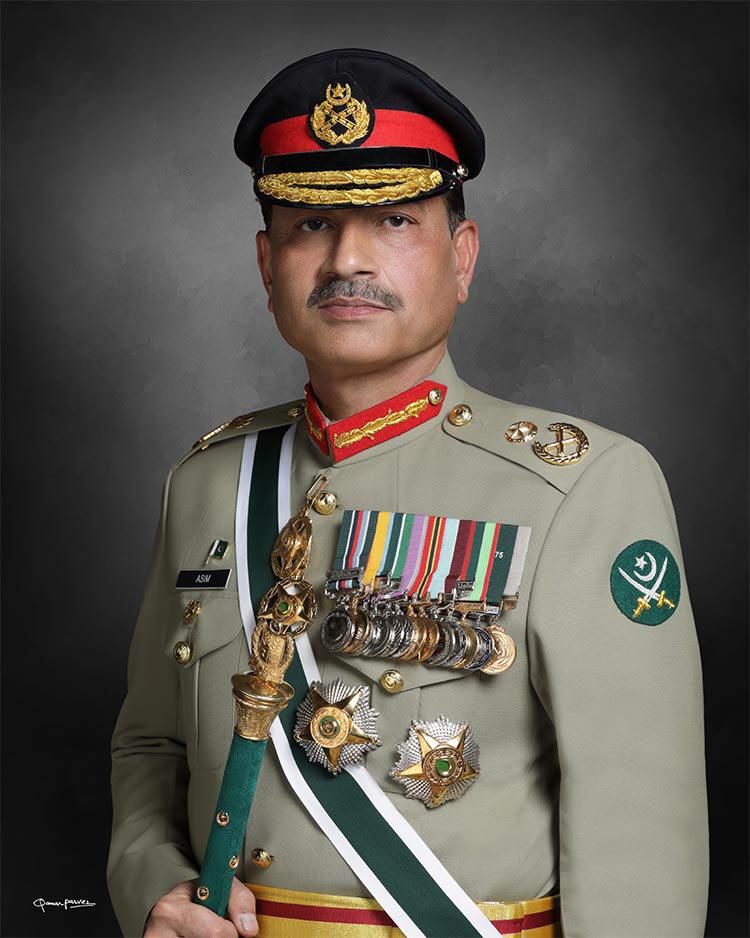
In an opinion piece, Dr. Hussain Thebo has called for the nomination of Asim Munir, Pakistan’s Field Marshal and Chief of Army Staff, for the Nobel Peace Prize, citing his role in promoting regional stability and strategic restraint.
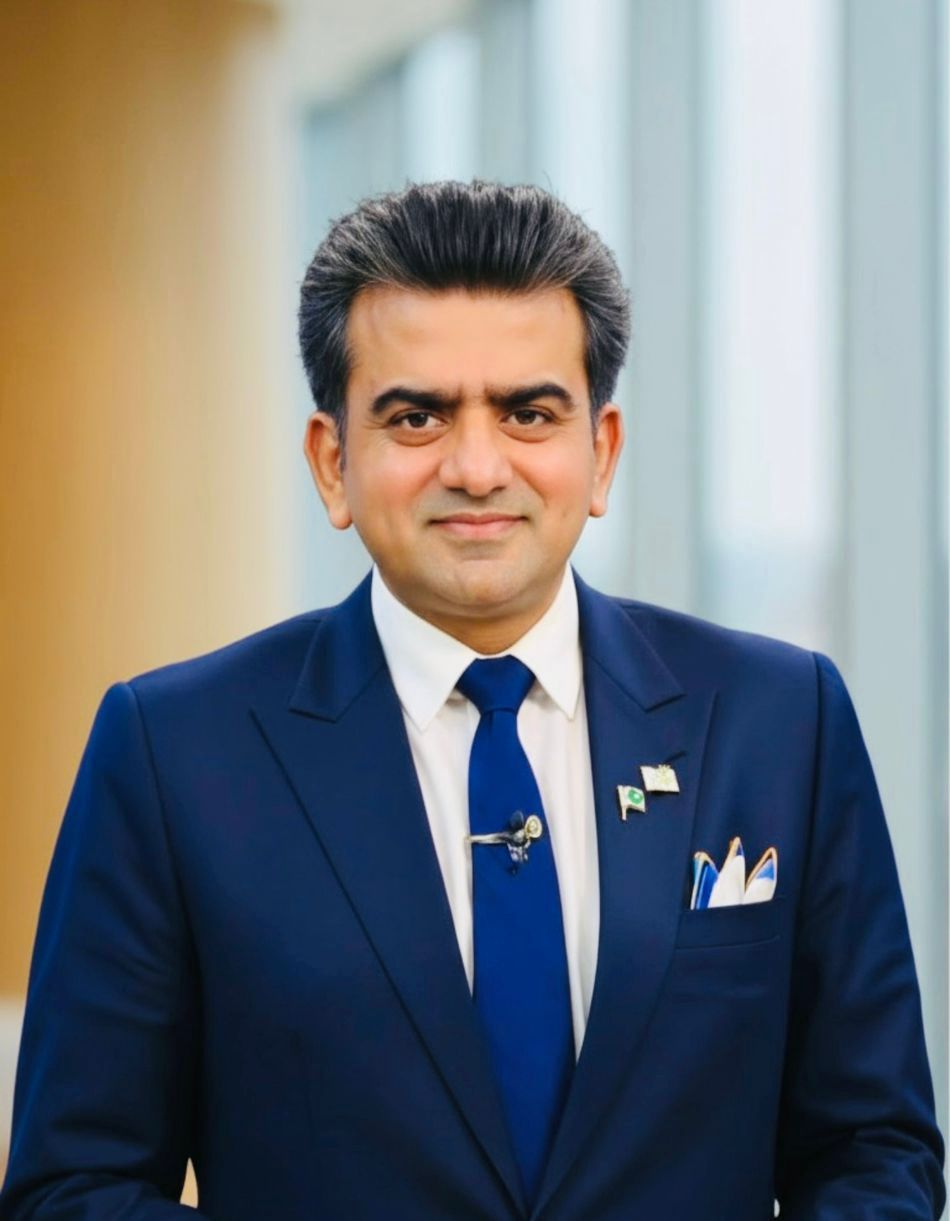
In an opinion piece, Dr. Hussain Thebo has called for the nomination of Asim Munir, Pakistan’s Field Marshal and Chief of Army Staff, for the Nobel Peace Prize, citing his role in promoting regional stability and strategic restraint.
Karachi Hosts Private Dialogue on Global Power Shifts
The article argues that in an era marked by global conflicts and uncertainty, leadership that prioritizes peace and avoids escalation deserves international recognition. It highlights Munir’s military career, noting his experience in key command and intelligence roles that demand both operational expertise and careful crisis management.
Particular emphasis is placed on Pakistan’s relationship with India, where longstanding tensions require measured decision-making to prevent escalation. According to the author, Pakistan’s defense posture under Munir has remained firm yet restrained, contributing to maintaining a delicate strategic balance in the region.
The opinion also addresses challenges along Pakistan’s western frontier with Afghanistan, where security concerns persist. It credits Munir’s leadership with balancing border security needs while avoiding broader instability, an approach seen as vital for regional peace.
Beyond South Asia, the piece points to Pakistan’s role in facilitating dialogue between global actors, including the United States and Iran, suggesting that such mediation efforts help create space for diplomacy and reduce the risk of wider conflict.
Dr. Thebo emphasizes that peace is not achieved solely through diplomacy but also through responsible military leadership that prevents crises from escalating. He argues that maintaining strong institutions, strategic discipline, and deterrence without provocation are essential elements in sustaining stability.
The article concludes that recognizing leaders who contribute to conflict prevention is increasingly important in today’s volatile global environment. It presents Munir’s leadership as an example of how disciplined decision-making and strategic foresight can serve as instruments of peace.