Iran Reopens Strait of Hormuz for Commercial Shipping Amid Ceasefire Progress
Web Desk April 17, 2026Tehran, April 17, 2026 — Iran on Friday announced the reopening of the strategic Strait of Hormuz for all commercial shipping during the remaining period of a US-brokered ceasefire linked to the Israel–Hezbollah truce, signaling a major de-escalation in regional tensions.
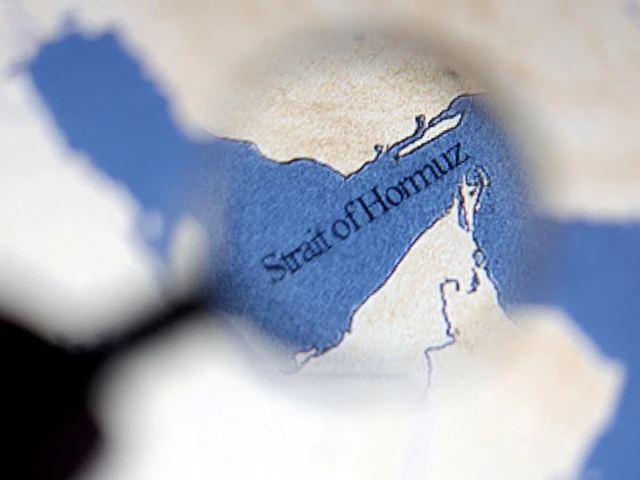
Tehran, April 17, 2026 — Iran on Friday announced the reopening of the strategic Strait of Hormuz for all commercial shipping during the remaining period of a US-brokered ceasefire linked to the Israel–Hezbollah truce, signaling a major de-escalation in regional tensions.
Beko Invests $20 Million to Upgrade Dawlance Manufacturing in Pakistan
Iranian Foreign Minister Abbas Araghchi said in a post on X that the passage of commercial vessels through the Strait of Hormuz has been “completely open” on coordinated routes approved by Iran’s Ports and Maritime Organisation. He added that the decision aligns with the ongoing ceasefire arrangements in Lebanon.
US President Donald Trump also confirmed the development on social media, welcoming Iran’s move and describing it as a positive step toward broader stability. However, he said the US Navy’s maritime pressure in the region would continue until a final agreement with Iran is reached.
Trump further claimed that Iran, with US assistance, was removing sea mines from the waterway and had agreed not to close the Strait again, calling it a “great and brilliant day for the world.” He also praised Pakistan’s leadership, including Prime Minister Shehbaz Sharif and Field Marshal Asim Munir, for their role in facilitating negotiations.
Despite the announcement, a senior Iranian official clarified that commercial shipping must still coordinate with the Islamic Revolutionary Guard Corps and follow designated safe transit lanes, while military vessels remain restricted.
Oil markets reacted sharply to the news, with Brent crude falling more than 11% as investors responded to signs of easing geopolitical risk and renewed diplomatic engagement between the United States and Iran.
Meanwhile, diplomatic sources indicated that backchannel negotiations mediated by Pakistan have made progress, with discussions ongoing over a potential framework deal covering nuclear restrictions and sanctions relief.
The Strait of Hormuz, a vital global energy route, had faced disruptions during months of conflict involving Iran, Israel, and Hezbollah. The latest move is being viewed as a tentative but significant step toward stabilizing regional energy flows and reducing escalation risks.