Arts Council of Pakistan Karachi pays Tribute to Renowned Historian, Sindhologist, Educationist and author Dr Nabi Bakhsh Baloch
By Manzoor Alam Balakoti,
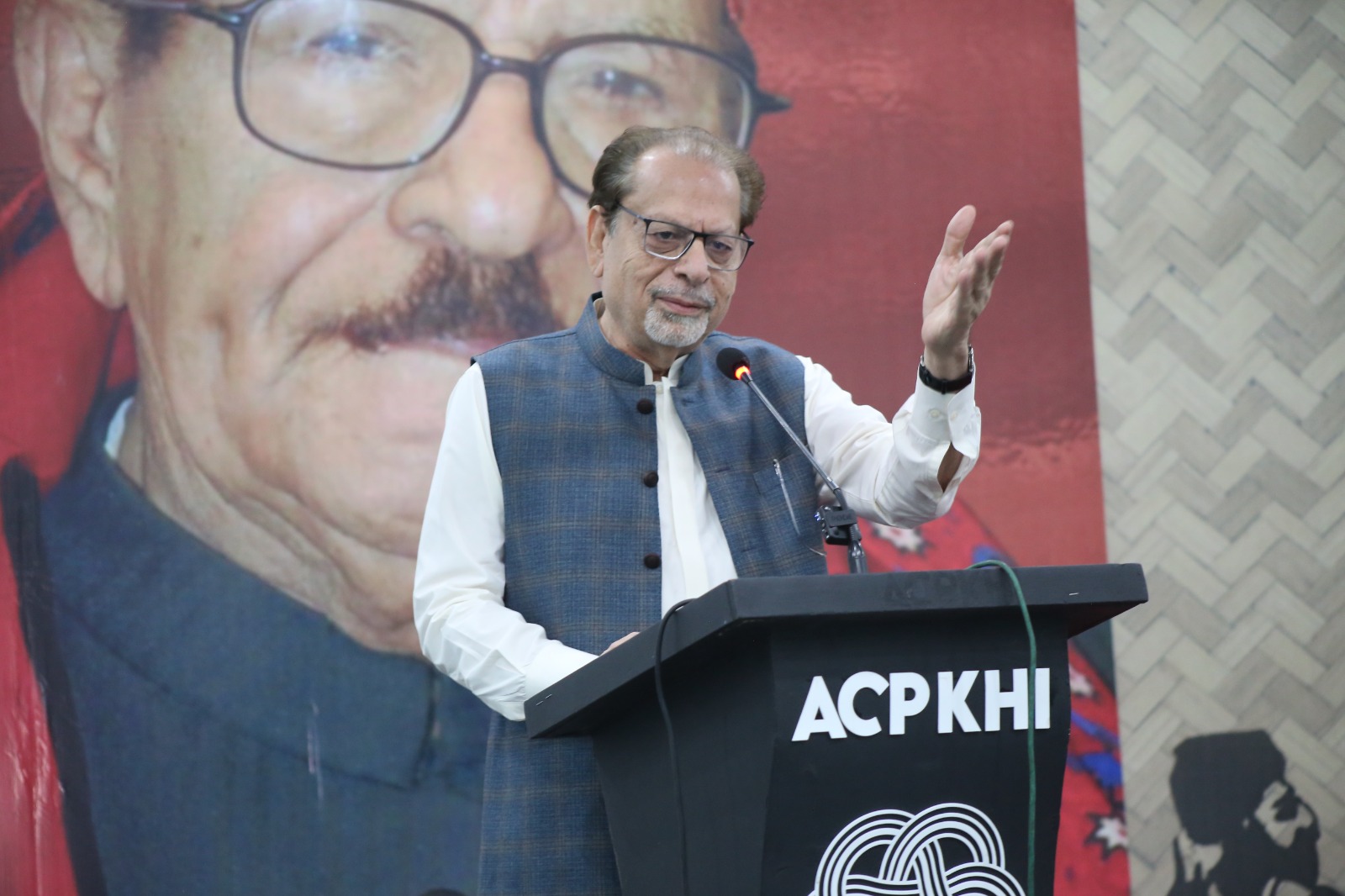
Karachi: Arts Council of Pakistan Karachi organized a commemorative event to honor the contributions of renowned historian, Sindhologist, Educationist and author Dr Nabi Bakhsh Baloch at the Hasina Moin Hall. The event was attended by prominent figures, including President Arts Council Muhammad Ahmed Shah, Jami Chandio, Kaleem Lashari, and Abdul Ghaffar Soomro, among others.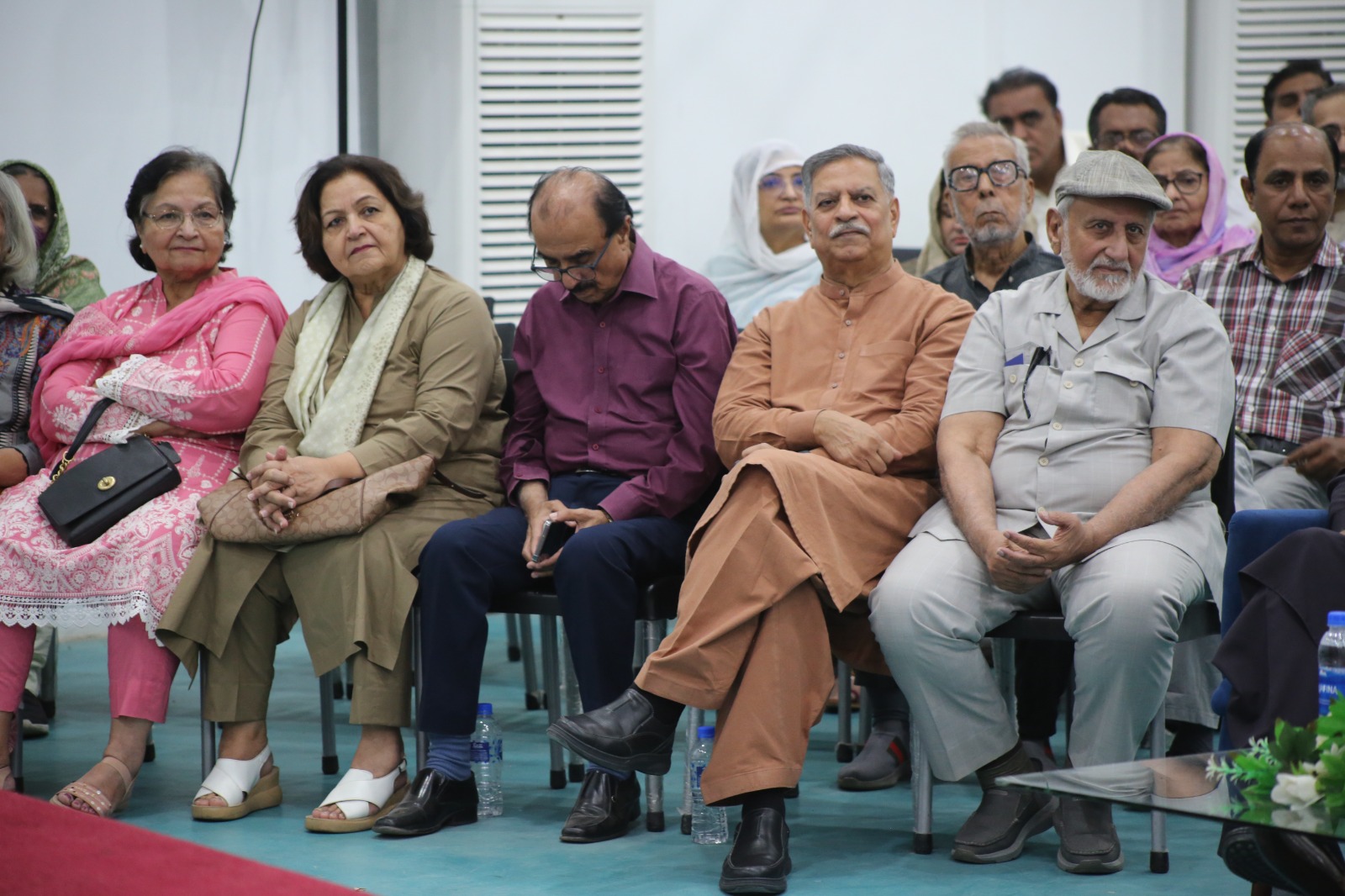
The event was moderated by Dr Ayub Shaikh, while a large number of literary and social personalities also participated. The ceremony began with a documentary screening highlighting the life and achievements of Dr Baloch. Speaking on the occasion, Muhammad Ahmed Shah said that the Arts Council has long been committed to paying tribute to legendary figures. He emphasized that remembering such personalities helps reconnect society—especially the younger generation—with its cultural and intellectual heritage. He also appreciated Dr Baloch’s work on musical instruments and reiterated the Council’s commitment to preserving the legacy of influential scholars. Jami Chandio stressed the need for serious scholarly engagement with Dr Baloch’s intellectual, literary, and creative contributions.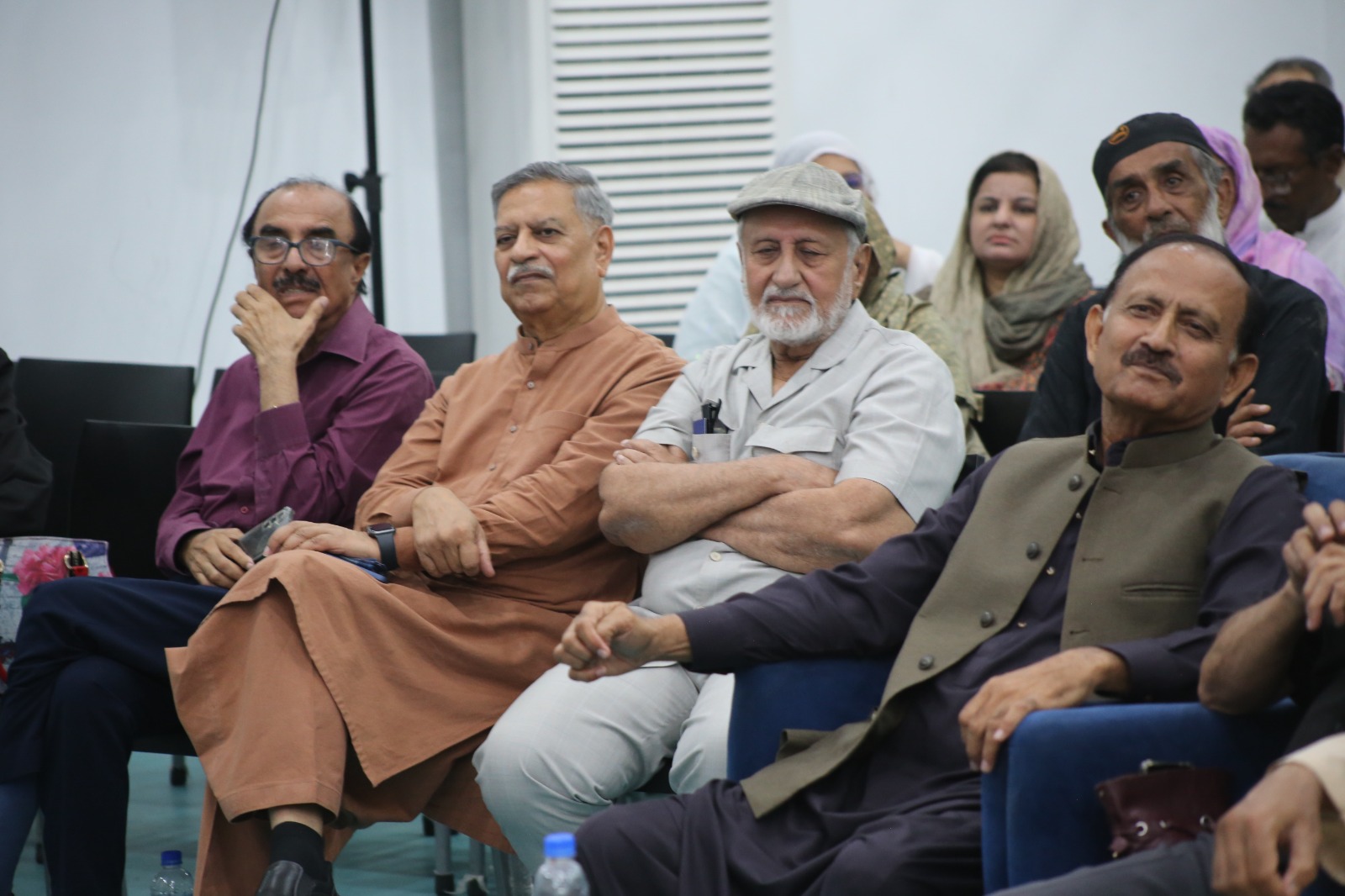
He highlighted the richness of classical traditions, particularly the legacy of Shah Latif, and noted Dr Draloch’s efforts to organise and preserve important linguistic and cultural elements. Kaleem Lashari shared an anecdote, revealing that the government once planned to establish an institution in Dr Baloch’s name during his lifetime. However, Dr Baloch advised that institutions should be established only when adequate resources and proper planning are in place, along with a dedicated administrative structure. Lashari described him as a principled individual who never compromised on his values. Abdul Ghaffar Soomro described Dr Baloch as a unique and highly skilled researcher who explored complex subjects with depth and clarity. He also highlighted Dr Baloch’s contributions to translation, noting that he made valuable foreign-language works accessible in Urdu, thereby promoting intellectual exchange across languages.