Pakistan Facilitates US-Iran Indirect Talks Amid Middle East Conflict, Islamabad Considered as Potential Venue
ISLAMABAD: With the US-Israel war on Iran entering its fourth week, Pakistan has emerged as a key diplomatic intermediary, facilitating indirect US-Iran communications while being discussed as a potential venue for future talks.
ISLAMABAD: With the US-Israel war on Iran entering its fourth week, Pakistan has emerged as a key diplomatic intermediary, facilitating indirect US-Iran communications while being discussed as a potential venue for future talks.
Pakistan Resumes Operation Ghazab lil-Haq Against Afghan Taliban, Torkham Crossing Reopens
Since the conflict began on February 28, Pakistan’s civilian and military leadership has engaged regional and friendly countries, calling for de-escalation. Global media reports, including from Reuters, Axios, and The Guardian, suggested Islamabad may host negotiations between Washington and Tehran.
Foreign Office spokesperson Tahir Andrabi urged the media to exercise discretion, emphasizing that diplomacy requires confidentiality and that developments would be announced officially as the process advances.
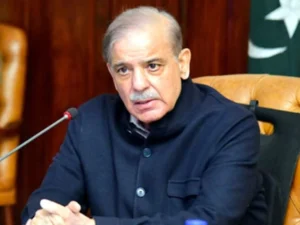
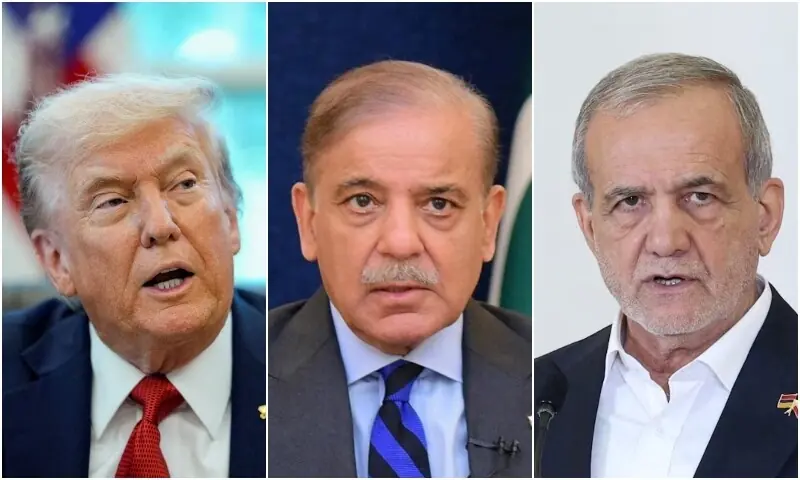
Prime Minister Shehbaz Sharif formally pitched Islamabad as a venue for talks, stating on X that Pakistan stands ready to host “meaningful and conclusive talks for a comprehensive settlement” if accepted by both sides. Sources suggest the request to consider Pakistan as a host may have originated from Washington. US President Donald Trump even shared Shehbaz’s post on his social media platform, Truth Social.
Reports indicate that the US has sent a 15-point peace proposal to Iran, with Pakistan acting as the messenger. Iran’s Foreign Minister Abbas Araghchi clarified that message exchanges via mediators do not constitute direct negotiations and stressed that no formal talks are underway.
Deputy Prime Minister Ishaq Dar confirmed Pakistan’s role in relaying messages between the US and Iran, noting that Tehran is deliberating over the proposed 15 points. He did not confirm whether Pakistan would host any direct negotiations.
While speculation continues, Andrabi emphasized that Pakistan is committed to peace and regional stability, and that Islamabad is safe and secure for any potential diplomatic engagement. He said, “If I were to distil our goal into a single word, that word would be peace.”
Pakistan’s role underscores its growing importance as a neutral intermediary in a region facing high-stakes military conflict, while the outcome of ongoing indirect diplomacy could influence efforts to end the hostilities in the Middle East.