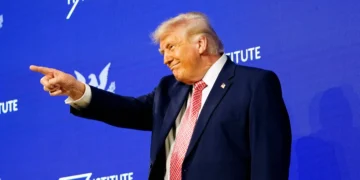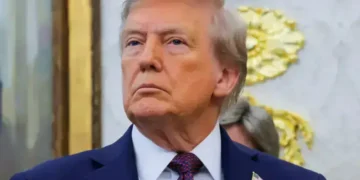


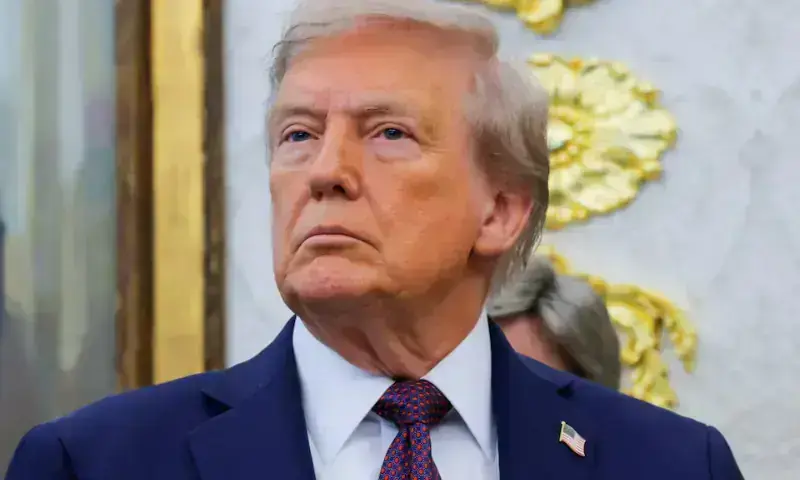
Washington/Tehran, April 2, 2026: Former Pentagon adviser Jasmine El-Gamal described recent remarks by US President Donald Trump as signaling desperation to secure a deal with Iran to end the ongoing Middle East conflict. El-Gamal told CNN that Trump’s oscillation between threats and calls for negotiation is undermining progress toward a resolution.
Heavy Rainfall in Karachi Claims Six Lives, Sparks Citywide Emergency Response
Trump’s primetime address Wednesday included threats to bomb Iran “back to the Stone Age” while offering vague timelines for ending the conflict. The US and Israel began strikes on February 28, triggering Iranian retaliation targeting Israel, US bases, and Gulf states. Iran has effectively closed the Strait of Hormuz, a key global oil corridor.
International response:
French President Emmanuel Macron dismissed the notion of a military operation to reopen Hormuz, calling it unrealistic and dangerous, advocating for diplomatic engagement with Iran instead.
Iranian response:
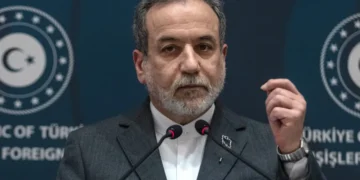
Iranian army chief Amir Hatami warned that any US ground invasion would be met with total annihilation. Iranian officials claimed US assessments of Iran’s military capabilities are flawed and promised stronger, wider retaliatory attacks. Iranian missile strikes targeted northern Israel, with air raid sirens in Haifa. Hezbollah also launched rockets into northern Israel from Lebanon, injuring two people and causing property damage.
Impact and concerns:
The conflict has displaced over 1 million people in Lebanon and caused widespread casualties across the region. Abu Dhabi reported minor damage from intercepted missile debris. Global oil markets and energy security remain under strain.
Public opinion in the US reflects war fatigue, with a Reuters/Ipsos survey showing 60% disapproval of the war and 66% of respondents urging a swift end to US involvement. Meanwhile, Trump continues to weigh escalation and de-escalation options, maintaining the possibility of additional troop deployments and military operations.
The conflict remains volatile, with no clear timeline for resolution, leaving regional and international actors concerned about further escalation.