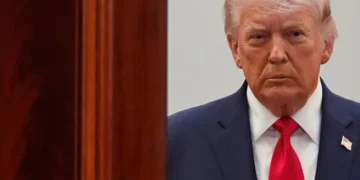


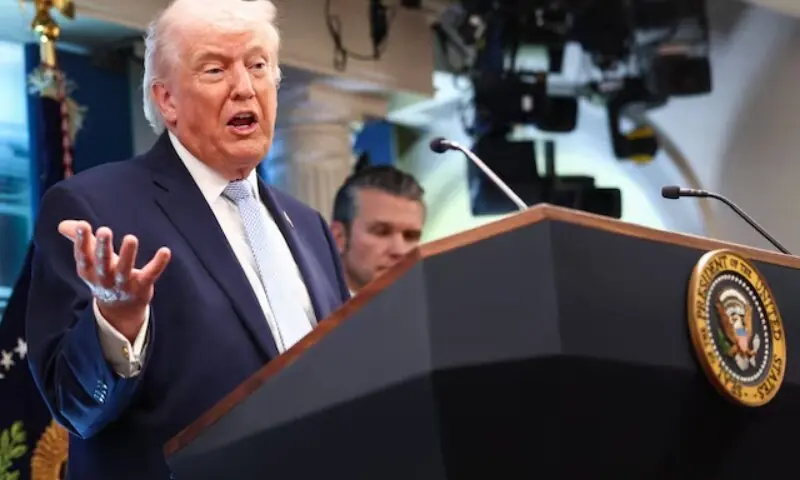
Donald Trump’s abrupt reversal from a stark threat against Iran to agreeing on a two-week ceasefire has exposed both the limits and risks of his high-stakes, unpredictable negotiating style.
Saudi FM Holds First Call with Iran Since Strikes, Urges Regional De-escalation
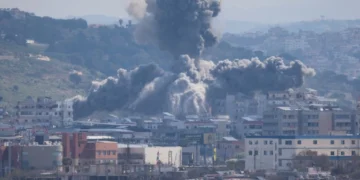
The decision, announced just hours before a self-imposed deadline for Iran to reopen the Strait of Hormuz, marked a significant step toward de-escalating a 40-day conflict that rattled the Middle East and disrupted global energy markets. Critics, however, derided the move as another example of “TACO” — shorthand for “Trump always chickens out” — pointing to a pattern of aggressive rhetoric followed by retreats.
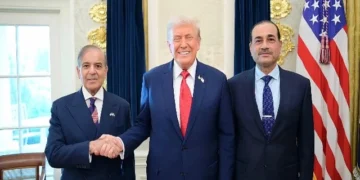
Earlier, Trump had issued an alarming warning that Iran faced catastrophic consequences if it failed to reach a deal. But within hours, he stepped back, announcing a Pakistan-mediated truce while claiming that Washington had already achieved its military objectives.
Despite the ceasefire, analysts argue that Iran remains a persistent strategic challenge — weakened militarily but potentially more hardline, with influence over the vital oil corridor and reserves of enriched uranium still intact.
Experts say Trump’s approach — combining maximalist demands, erratic messaging and extreme threats — risks undermining US credibility. Jon Alterman of the Center for Strategic and International Studies noted that the president had been “trapped by his own hyperbole,” warning that the costs of following through on such threats would have been immense.
White House Press Secretary Karoline Leavitt defended Trump’s rhetoric, describing it as part of a “tough negotiating style” meant to pressure adversaries.
Trump has long promoted unpredictability as a strategic tool, echoing elements of the Madman Theory — a Cold War-era doctrine associated with Richard Nixon, aimed at convincing adversaries of a leader’s willingness to take extreme actions.
Supporters argue the tactic can force concessions, while critics warn it risks alarming allies and emboldening rivals such as China and Russia, who may become accustomed to the pattern.
The ceasefire also follows domestic pressures, including rising fuel prices and declining approval ratings. Similar reversals have occurred in Trump’s recent policy moves, including dialing back tariffs after market turmoil and softening positions on geopolitical flashpoints.
While Trump has demonstrated a willingness to act militarily — including recent escalations involving Iran — questions remain over whether his strategy can deliver lasting outcomes, particularly on curbing Tehran’s nuclear ambitions.
As the ceasefire takes hold, the broader challenge remains whether brinkmanship can translate into durable diplomacy — or whether it ultimately erodes trust in US leadership on the global stage.