

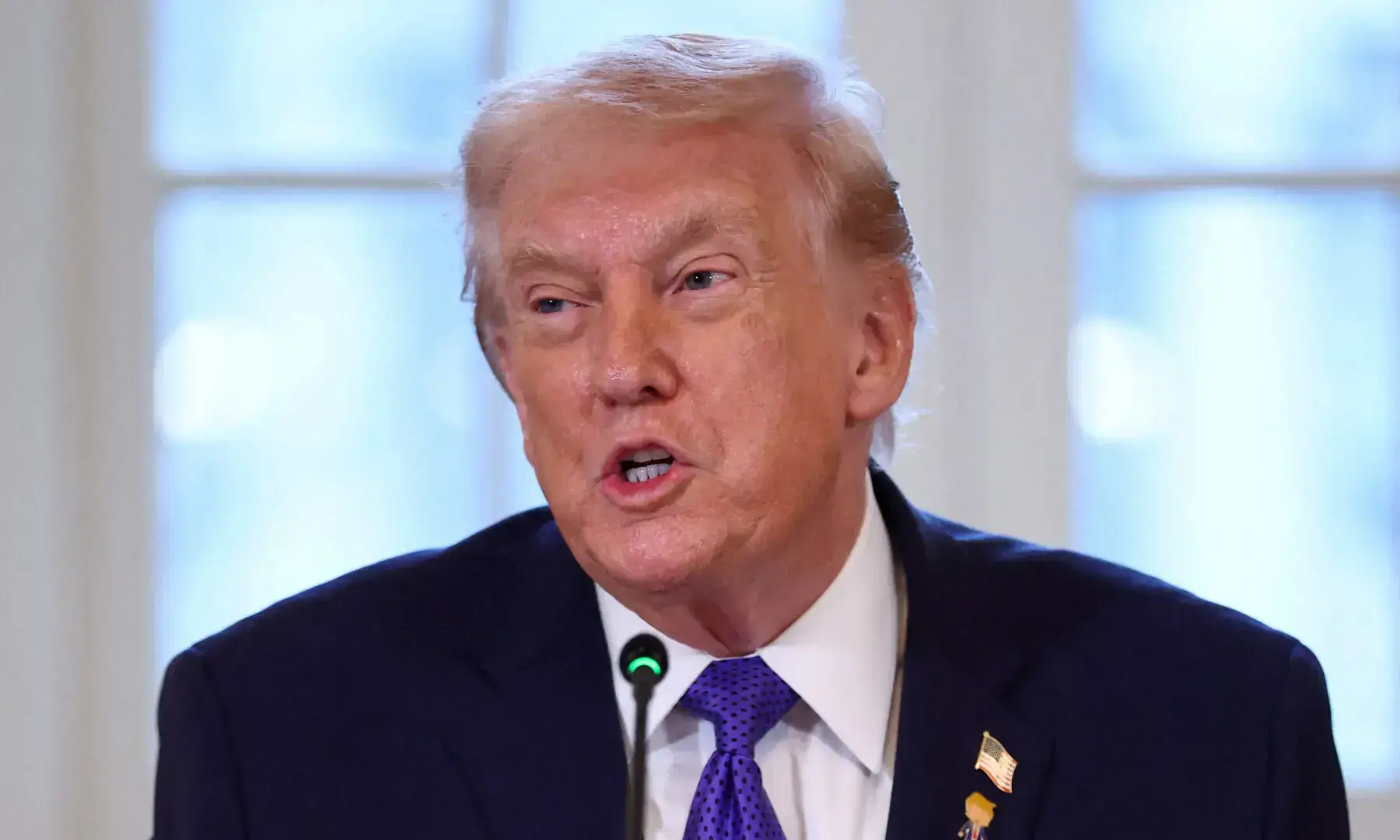
US President Donald Trump on Monday warned that Iran will “pay a big price” if it does not meet the Tuesday deadline to reach a deal, calling Tehran’s recent proposal “significant but not good enough.” Speaking at a White House Easter event, Trump said the war could end quickly if Iran fulfills certain conditions, adding that negotiations have been ongoing in good faith.
Iran Rejects US Ceasefire Proposal, Demands Permanent End to War Amid Strait of Hormuz Tensions
Pakistan has shared a proposed framework with both the US and Iran to end hostilities, which includes an immediate ceasefire followed by broader settlement talks. The two-phase plan, tentatively called the “Islamabad Accord,” aims to reopen the Strait of Hormuz while allowing 15–20 days to finalize a comprehensive regional agreement. However, senior Iranian officials have rejected reopening the strait in exchange for a temporary ceasefire, emphasizing that Tehran will not respond to deadlines or pressure.
Iran’s Foreign Ministry spokesperson, Esmaeil Baghaei, reiterated that Tehran has formulated its own response to ceasefire proposals, citing national interests and rejecting previous US demands as “excessive.” He stressed that expressing legitimate demands is a sign of confidence, not compromise.
Meanwhile, the conflict has intensified across the region. Iran targeted US forces on Kuwait’s Bubiyan Island with drones, damaging satellite equipment and munitions, and injuring six civilians from falling debris.
Key Iranian security figures have also been targeted. The head of the IRGC intelligence organization, Majid Khademi, was killed in what Tehran called a “terrorist attack by the American-Zionist enemy.” Israeli Defence Minister Israel Katz confirmed the attack and vowed to target Iranian leaders individually.
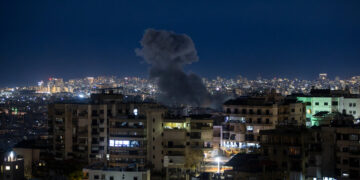
US-Israeli airstrikes have struck multiple locations in Iran, including residential buildings in Qom and the Baharestan district of Tehran, killing at least 33 civilians and causing widespread damage. The Sharif University of Technology was also hit, affecting national infrastructure.
Iran retaliated with missile attacks targeting central Israel, including Tel Aviv and Haifa, injuring at least seven people and damaging buildings. Explosions were reported in East Jerusalem, and emergency services continued rescue operations in Haifa.
The escalating conflict has heightened global concern over shipping through the Strait of Hormuz, a vital artery for oil exports. Energy markets remain volatile as traders monitor the latest developments.
Diplomatic efforts continue with Pakistan, Turkey, and Egypt acting as intermediaries, while Tehran insists that any ceasefire must guarantee its security from future attacks and include sanctions relief in exchange for commitments regarding nuclear and missile programs.