Pakistan Pushes ‘Islamabad Accord’ to End US-Iran Hostilities as Tehran Holds Firm
Web Desk April 6, 2026ISLAMABAD: Pakistan has presented a diplomatic framework to the United States and Iran aimed at ending ongoing hostilities and reopening the strategic Strait of Hormuz, according to sources familiar with the negotiations.
ISLAMABAD: Pakistan has presented a diplomatic framework to the United States and Iran aimed at ending ongoing hostilities and reopening the strategic Strait of Hormuz, according to sources familiar with the negotiations.
Ali Haider, Chairman, Souvenir Committee, SMARTCON 2026 / Deputy Governor Rotary District 3271
The proposal outlines a two-tier approach, beginning with an immediate ceasefire followed by a comprehensive agreement. The tentative deal — informally dubbed the “Islamabad Accord” — envisions restoring maritime traffic through the strait and initiating final in-person negotiations in Islamabad within 15–20 days.
However, a senior Iranian official rejected the idea of reopening the strait under a temporary ceasefire, insisting that Tehran seeks a permanent agreement with guarantees against future attacks. The official emphasized that Iran would not accept externally imposed deadlines.
Sources said Asim Munir has been in continuous contact with key stakeholders, including JD Vance, Steve Witkoff and Iranian Foreign Minister Abbas Araghchi, as part of intensive backchannel diplomacy.
The framework reportedly includes commitments from Iran on its nuclear programme in exchange for sanctions relief and the unfreezing of assets, though Tehran has yet to formally respond. Pakistani and regional mediators, including China, Turkey and Egypt, are also engaged in efforts to de-escalate tensions.
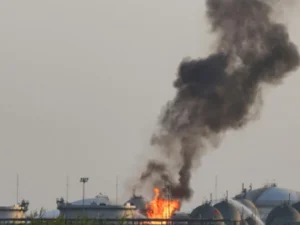
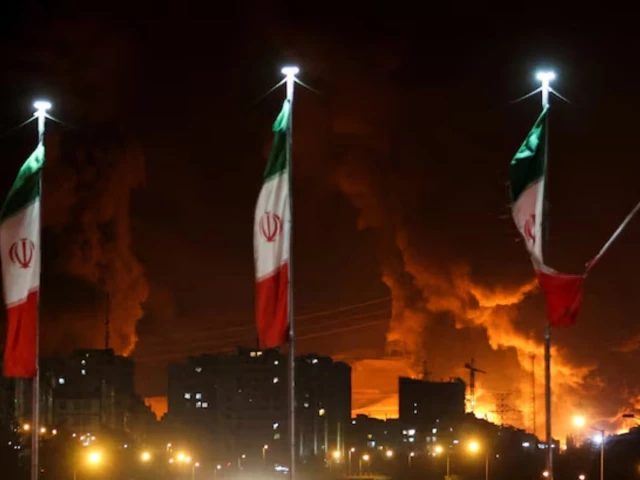
Meanwhile, fighting on the ground continues to intensify. Iranian officials confirmed strikes on US-linked targets in Kuwait, while US-Israeli air raids reportedly hit residential areas in Tehran and Qom, causing civilian casualties. Iran’s Islamic Revolutionary Guard Corps also reported the killing of its intelligence chief in what it described as a “terrorist attack.”
Missile exchanges between Iran and Israel have further escalated the conflict, with strikes reported in Tel Aviv and Haifa, resulting in casualties and infrastructure damage.
US President Donald Trump has intensified pressure for a rapid resolution, warning of severe consequences if Iran fails to agree to terms, particularly regarding access to the Strait of Hormuz — a critical route for global energy supplies.
The situation remains fluid, with markets and governments closely monitoring developments that could shape regional stability and global oil flows.