Pakistan Weighs Eurobonds, Loans to Offset UAE Facility as Middle East War Pressures Economy
Pakistan Weighs Eurobonds, Loans to Offset UAE Facility as Middle East War Pressures Economy
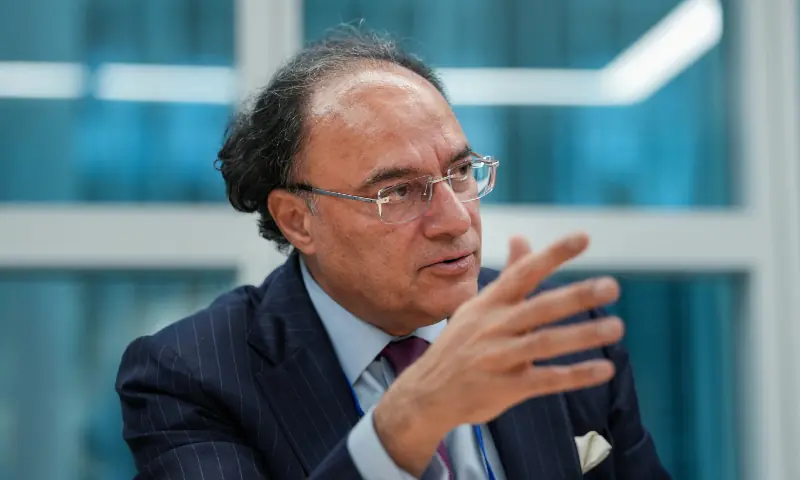
Washington/Islamabad — Pakistan is exploring multiple financing options, including Eurobonds, bilateral loans, and commercial borrowing, to replace a $3.5 billion facility from the United Arab Emirates and manage pressure on its foreign exchange reserves, Finance Minister Muhammad Aurangzeb said.
Pakistan Intensifies Efforts for US-Iran Talks as Ceasefire Comes Under Strain
Speaking on the sidelines of the IMF-World Bank Spring Meetings, Aurangzeb said the government was evaluating all available options, including potential financial support from regional partners such as Saudi Arabia.
Pakistan is set to repay the $3.5 billion UAE loan this month, a move that could strain reserves and pose risks to targets under its programme with the International Monetary Fund.
Despite the pressure, the finance minister expressed confidence in the country’s ability to meet its debt obligations, noting that reserves currently cover approximately 2.8 months of imports — a level he described as critical for maintaining macroeconomic stability.
Aurangzeb said the government plans to tap international capital markets through Eurobonds and Islamic sukuk, while also exploring dollar-settled, rupee-linked instruments and commercial loans.
He added that Pakistan expects to issue Eurobonds later this year and is also preparing to launch its first Panda bond — yuan-denominated debt — next month, backed by the Asian Development Bank and the Asian Infrastructure Investment Bank.
While Islamabad has not yet sought revisions to its $7 billion IMF programme in light of economic shocks stemming from tensions in the Middle East, Aurangzeb said adjustments could be considered depending on how the situation evolves.
He noted that the IMF board is expected to approve the next tranche of funding — just under $1.3 billion — in the coming weeks under the Extended Fund Facility and Resilience and Sustainability Facility.
The finance minister said Pakistan’s economic outlook remains stable for the current fiscal year, projecting GDP growth of around 4 percent and remittances of approximately $41.5 billion.
However, he warned that rising global energy prices due to the ongoing conflict highlight the need for long-term structural reforms, including the establishment of strategic petroleum reserves and a faster transition to renewable energy.
“When you go through a supply shock like this, it reinforces the need to accelerate these transitions,” Aurangzeb said.