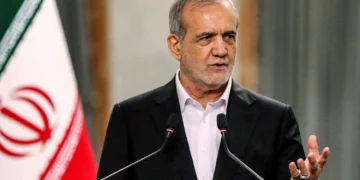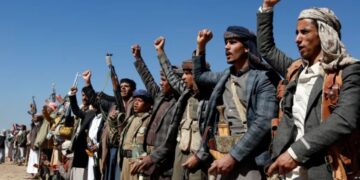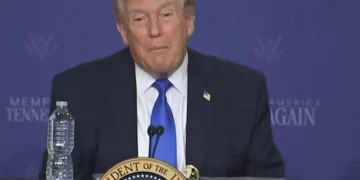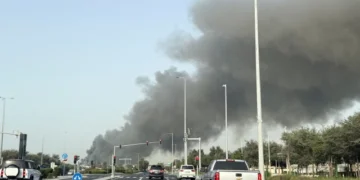


ISLAMABAD: Pakistan has indicated its willingness to host direct negotiations between the United States and Iran, as Deputy Prime Minister and Foreign Minister Ishaq Dar concluded a high-level four-nation meeting focused on de-escalating tensions in the Gulf region.
Pakistan’s Tech Ecosystem Gains Global Attention as Startup Growth Accelerates: inDrive Report
Speaking after the consultations in Islamabad, Dar said Pakistan would be “honoured” to facilitate meaningful dialogue between Washington and Tehran in the coming days, aiming for a comprehensive and lasting resolution to the ongoing conflict.
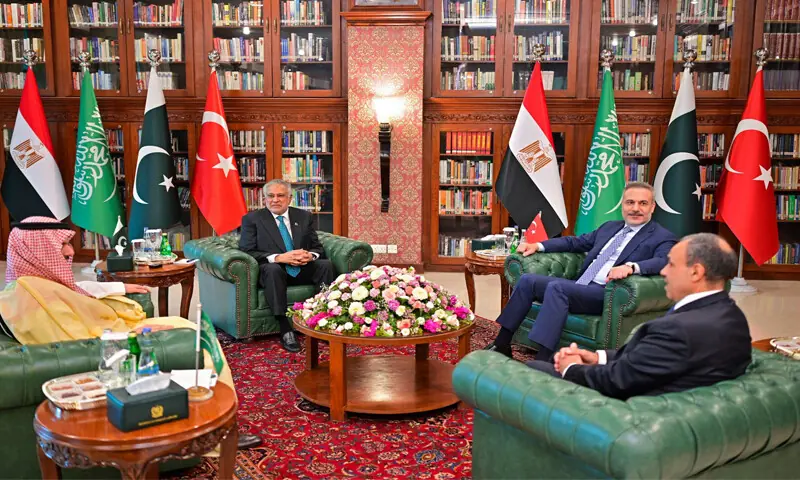
The meeting brought together foreign ministers from Pakistan, Saudi Arabia, Turkiye, and Egypt as part of a coordinated regional effort to promote diplomacy and prevent further escalation. Officials described the quadrilateral format, initiated earlier this month in Riyadh, as the most structured regional initiative so far to steer the crisis toward peaceful negotiations.
Participants included Saudi Foreign Minister Faisal bin Farhan, Turkiye’s Hakan Fidan, and Egypt’s Badr Abdelatty. The ministers jointly expressed concern over the humanitarian and economic impact of the conflict, emphasizing that continued hostilities would only result in further destruction.
The group reaffirmed the urgency of an immediate ceasefire and stressed the importance of unity among Muslim nations. They also supported efforts to create conditions conducive to structured negotiations between the United States and Iran.
Despite growing diplomatic momentum, officials cautioned that no direct talks between Washington and Tehran have yet been confirmed, with progress dependent on developments on the ground. So far, communication between the two sides has remained indirect.
Pakistan’s initiative has received strong backing from China, which has encouraged dialogue and supported Islamabad’s mediatory role. Ishaq Dar is scheduled to visit Beijing on March 31 to further discuss coordination efforts, including potential joint support for US-Iran talks.
A key focus of the Islamabad meeting was ensuring the security of navigation through the Strait of Hormuz, a vital global trade route. Officials highlighted safe maritime passage as a potential confidence-building measure. Pakistan also noted that Iran had agreed to allow additional Pakistani-flagged vessels to transit the waterway.
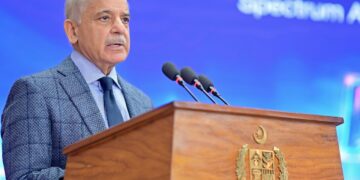
On the sidelines, Dar held bilateral meetings with his counterparts, while the visiting ministers also met Prime Minister Shehbaz Sharif, who reiterated Pakistan’s commitment to facilitating dialogue and stressed the importance of regional cooperation.
Although no timeline has been finalized for direct negotiations, officials believe growing regional and international support has created a narrow but significant opportunity for diplomacy.