Italy-Funded RAFAA Project Launched in Karachi to Boost Climate Resilience in Sindh
Web Desk April 24, 2026KARACHI: The Project Steering Committee of the Italy-funded “Resilience and Adaptation by Fostering Anticipatory Action” (RAFAA) initiative held its first meeting in Karachi, bringing together senior officials from the Government of Sindh, international development partners, and UN agencies to chart the project’s implementation roadmap.
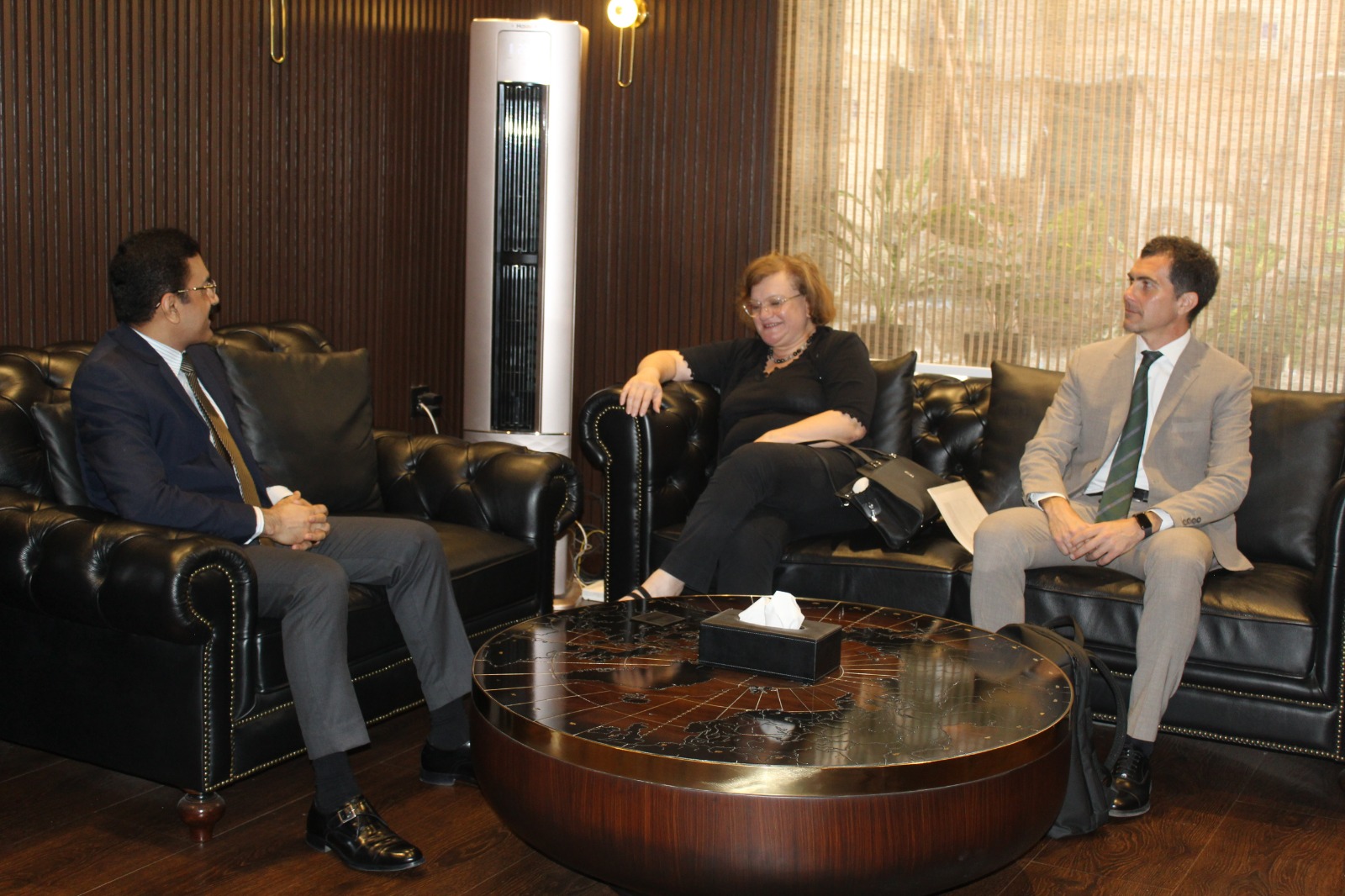
KARACHI: The Project Steering Committee of the Italy-funded “Resilience and Adaptation by Fostering Anticipatory Action” (RAFAA) initiative held its first meeting in Karachi, bringing together senior officials from the Government of Sindh, international development partners, and UN agencies to chart the project’s implementation roadmap.
US Weighs NATO Measures Over Iran War Support, Including Suspension Options for Spain: Report
The meeting was jointly chaired by Sindh Agriculture Secretary Muhammad Zaman Narejo and Italian Ambassador to Pakistan Marilina Armellin. Representatives from provincial departments, district administrations, the Italian Agency for Development Cooperation (AICS), the Food and Agriculture Organization (FAO), and CESVI participated in the session.
Funded with €4 million by the Italian Ministry of Foreign Affairs and International Cooperation through AICS, the 36-month project aims to strengthen climate resilience across Sindh, directly benefiting around 25,000 households and indirectly reaching nearly 1.5 million people. Key focus districts include Umerkot and Mirpurkhas.
Sindh, one of Pakistan’s most climate-vulnerable provinces, continues to face severe impacts from floods, droughts, and heatwaves, which have significantly affected agriculture-dependent communities. The RAFAA project seeks to address these challenges by shifting from reactive disaster response to anticipatory action and long-term resilience building.
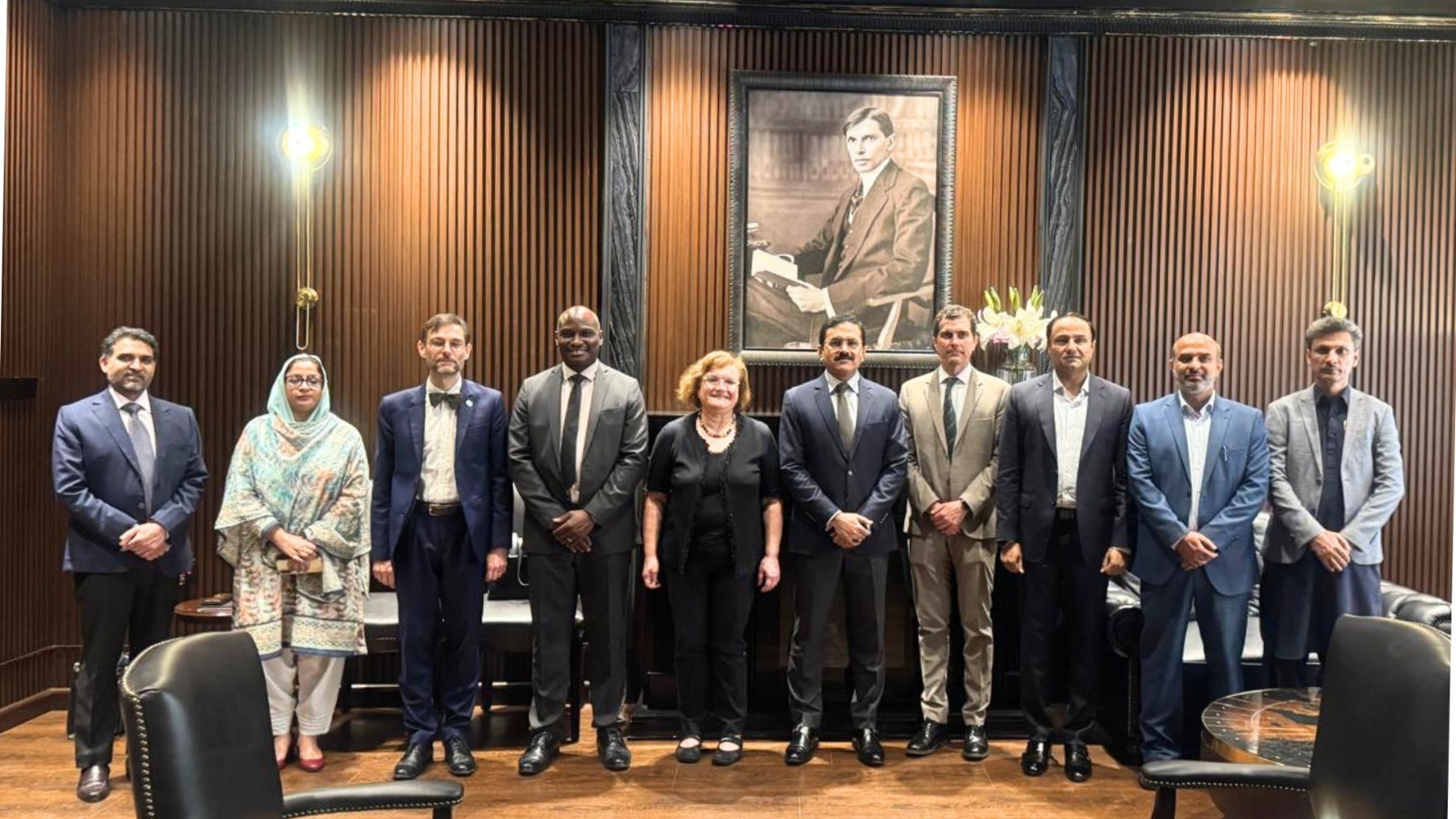
Ambassador Armellin said the initiative will help strengthen multi-hazard early warning systems and ensure timely action at the community level, while also supporting sustainable agricultural livelihoods. She emphasized that resilience-building must go hand in hand with improving rural economic stability.
FAO representatives noted that the project is rooted in climate-smart agriculture, nature-based solutions, and community-centered approaches designed to enhance food security and reduce disaster risks.
Key interventions under discussion include early warning systems, community-based disaster risk committees, local resilience planning, water quality monitoring, climate-resilient crops, and innovative crop insurance mechanisms. The project also integrates gender-responsive programming and capacity-building initiatives to strengthen institutional preparedness.
Sindh Agriculture Secretary Muhammad Zaman Narejo stressed the importance of accountability and coordination at all administrative levels, stating that deputy commissioners will play a central role in local implementation, while provincial authorities will ensure facilitation of partner organizations.
The RAFAA initiative is expected to play a significant role in strengthening Sindh’s capacity to respond to climate challenges through coordinated, science-based, and community-driven interventions.