
From Stability to Results ICMA Report Assesses Pakistan’s Economic Progress

ICMA releases its 2026 accountability report on Pakistan’s economic progress.
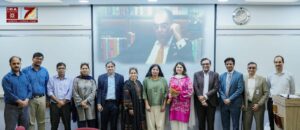
The Institute of Cost and Management Accountants of Pakistan (ICMA) has released its latest ICMA Report, assessing government performance against key public priorities.
Titled Accountability Report: Pakistan 2026 Progress – From Policy Momentum to Measurable Outcomes, the publication examines economic reforms, social initiatives and governance measures.
The report highlights progress in macroeconomic stability, fiscal consolidation and external sector resilience. However, it also points to gaps that could slow Pakistan’s longer-term development.
Economic Stability Shows Improvement
According to the report, Pakistan’s economy grew by 3.7 per cent in FY2026.
The fiscal deficit also narrowed to 0.7 per cent of GDP. The report links these improvements to cautious monetary policy, stronger remittance inflows and exchange rate stability.
Pakistan’s Legal AI Future Takes a Step Forward with Conclavity Launch
These indicators suggest greater economic stability. However, ICMA stresses that stability must eventually produce stronger living standards and wider economic opportunities.
The report therefore calls for continued policy discipline and effective implementation.
Youth Programmes Support Human Capital
The report also highlights several initiatives aimed at young people.
These include skills development programmes, concessional financing and new digital hubs. Such measures could strengthen human capital and support inclusive growth.
However, ICMA identifies implementation gaps in employment generation and entrepreneurship programmes.
AI-related skills also remain an area requiring further development. Many initiatives are still at an early stage.
Therefore, stronger execution will be necessary to turn policy commitments into practical opportunities for young Pakistanis.
Climate and Digital Initiatives Expand
Climate resilience has also received greater attention, according to the report.
Government allocations for urban planning and green subsidies have supported climate-related initiatives. At the same time, Pakistan continues to expand its digital transformation agenda.
AI hubs, advanced training programmes and citizen-focused governance reforms form part of this effort.
These initiatives could improve public services and strengthen productivity. Nevertheless, their long-term impact will depend on effective implementation.
Global Partnerships Create New Opportunities
Pakistan has also expanded its international economic partnerships.
The report points to CPEC Phase-II, Gulf investments and cooperation with the United States. These developments could create opportunities for investment, trade and economic growth.
At the same time, the report highlights several structural risks.
Pakistan remains dependent on external financing. In addition, reforms involving state-owned enterprises remain incomplete.
Political constraints could also affect governance and policy continuity.
ICMA Calls for Stronger Accountability
ICMA Vice President Muhammad Yasin, FCMA, said accountability should involve more than recording government achievements.
He stressed the importance of discipline, foresight and continuity in implementation.
Yasin said Pakistan’s future progress should rest on three key pillars.
These include investment in human capital, stronger institutions and climate resilience.
He emphasised that these areas would help Pakistan build more sustainable economic foundations.
From Policy to Measurable Results
The report concludes that Pakistan has made meaningful progress in aligning government initiatives with citizen priorities.
However, policy announcements alone cannot deliver lasting improvements.
ICMA says sustained reform momentum will remain essential. Stronger institutional capacity will also be needed.
The report argues that Pakistan must now focus on converting policy frameworks into measurable outcomes.
Better implementation could improve livelihoods, governance and national resilience.
Ultimately, the assessment points to a key challenge for Pakistan. Maintaining economic stability is important, but turning that stability into inclusive and productivity-led growth will determine the success of future reforms.