First Congo Virus Death of 2026 Reported in Karachi as 17-Year-Old Succumbs to CCHF Infection
Web Desk April 23, 2026KARACHI: A 17-year-old boy has died at a hospital in Karachi after contracting Crimean-Congo Haemorrhagic Fever (CCHF), commonly known as the Congo virus, marking the first confirmed death from the disease in Pakistan this year, health officials said on Thursday.
KARACHI: A 17-year-old boy has died at a hospital in Karachi after contracting Crimean-Congo Haemorrhagic Fever (CCHF), commonly known as the Congo virus, marking the first confirmed death from the disease in Pakistan this year, health officials said on Thursday.
itel Energy Showcases AI-Powered Renewable Innovations at Lahore Solar Expo 2026
The patient was admitted in critical condition to the Sindh Infectious Diseases Hospital & Research Centre, where doctors reported severe bleeding symptoms upon arrival. Despite being placed in intensive care under strict isolation protocols, he later succumbed to the infection.
Dr Abdul Wahid Rajput, Director of the Infectious Diseases Hospital, confirmed the death and said the patient was already in a critical state when brought to the facility.
“He was immediately shifted to the ICU and managed under strict isolation, but unfortunately could not survive,” he said.
According to Jinnah Hospital spokesperson Dr Waqas, the teenager was initially admitted to the emergency department on Monday after suffering from high fever. The patient, who worked at a livestock farm, showed early symptoms consistent with CCHF, prompting immediate isolation to prevent possible spread.
Medical teams collected blood samples and sent them to Aga Khan University Hospital for laboratory testing. The diagnosis was later confirmed, after which the patient was transferred to the Infectious Diseases Hospital on Tuesday for specialised care.
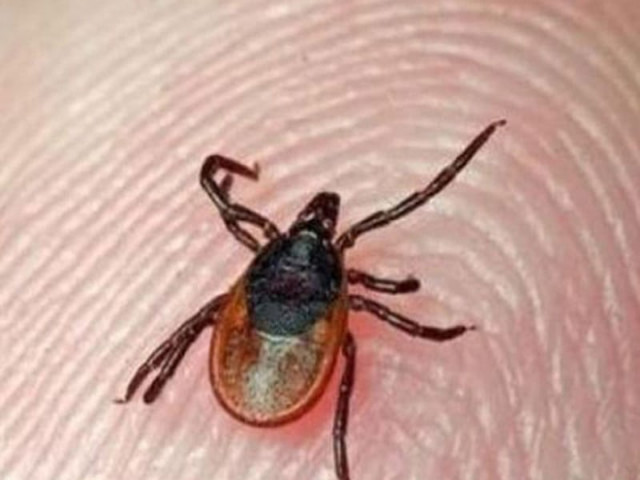
Congo virus, or Crimean-Congo Haemorrhagic Fever, is a severe tick-borne viral disease that can cause high fever, internal bleeding, and organ failure in humans. It is primarily transmitted through bites from infected ticks, particularly the Hyalomma species, or through direct contact with blood or tissues of infected animals.
Health experts also warn that human-to-human transmission can occur through exposure to infected bodily fluids, making the disease particularly dangerous in healthcare environments if proper protective measures are not followed.
First identified in the Crimea region in 1944 and later in Congo in 1956, the virus is now endemic in parts of Africa, Asia, Eastern Europe, and the Middle East. Countries including Pakistan, Afghanistan, Turkey, and Russia regularly report seasonal outbreaks, particularly during warmer months when tick activity increases.
Medical authorities have urged increased vigilance among livestock workers, butchers, and healthcare staff, as well as strict adherence to safety protocols to prevent further infections.