
EFS Misuse: Senate Panel to Review Chemical and Dyes Sector Tax Issues
Senator Saleem Mandviwalla promises parliamentary action on taxation, import rules, e-invoicing and concerns raised by chemical traders.
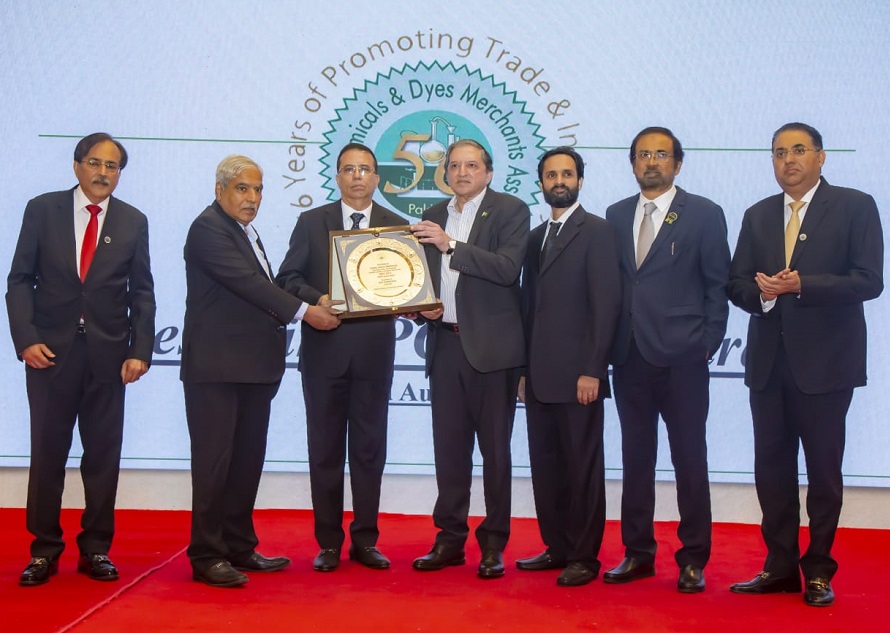
Senator Saleem Mandviwalla addresses the PCDMA annual dinner in Karachi
KARACHI: The Senate Standing Committee on Finance and Revenue will review key concerns facing Pakistan’s chemicals and dyes sector, including taxation, imports, the Export Facilitation Scheme (EFS) and e-invoicing.
Chairman of the committee Senator Saleem Mandviwalla gave the assurance while speaking at the annual dinner of the Pakistan Chemicals & Dyes Merchants Association (PCDMA) at a local hotel in Karachi.
He said the parliamentary panel would invite the Federal Board of Revenue (FBR), Ministry of Finance and other relevant government departments to discuss the sector’s concerns and explore possible solutions.
Business Community Urged to Engage Year-Round
Mandviwalla urged chambers and trade associations to engage with the government and parliament throughout the year.
Pakistan Moves to Modernise Business Laws as Mobiz Expands Technology Investment
He said business groups often present their demands shortly before or during the federal budget. By that stage, however, many proposals and decisions have already reached an advanced stage.
The senator encouraged the business community to raise concerns about the EFS, the three per cent additional tax and differences between commercial importers and industrial businesses well before the budget process begins.
He assured PCDMA Chairman Salim Valimuhammad that the association’s concerns would again become part of the Senate committee’s agenda.
Calls to Curb EFS Misuse
Earlier, PCDMA Chairman Salim Valimuhammad called for urgent steps to prevent the misuse of the Export Facilitation Scheme.
He said the chemicals and dyes industry plays an important role in the supply chain for Pakistan’s textile, leather, pharmaceutical and other export-oriented industries.
Valimuhammad claimed EFS imports had increased by more than 70 per cent without a similar rise in exports.
He proposed linking EFS imports with actual foreign remittances or letters of credit. He also suggested introducing a 40 per cent limit and conducting annual audits based on three years of industry consumption and export data.
The proposals aim to ensure that the scheme supports genuine export activity while reducing opportunities for misuse.
Traders Seek Tax Equality
The PCDMA chairman also called for the withdrawal of the three per cent additional sales tax.
He sought equal tax treatment for commercial and industrial importers, arguing that disparities between the two categories affect business activity.
The association also called for urgent action on e-invoicing problems. Valimuhammad said the government should resolve these issues through consultations involving the Senate, Ministry of Finance and FBR.
Mandviwalla acknowledged that the interests of commercial importers and industrialists do not always match. He said policymakers must find common ground to prevent tax and trade policies from harming business activity.
IMF Commitments Remain a Constraint
The senator said the government must balance business demands with fiscal targets and commitments made under the International Monetary Fund programme.
He noted that providing relief to one sector can sometimes create an additional burden elsewhere.
Mandviwalla also said the government would review the impact of decisions involving the EFS by considering exports, imports and other relevant policy factors.
The annual dinner brought together representatives from the chemicals and dyes trade, business organisations and government institutions.
Among those attending were PCDMA Chairman Salim Valimuhammad, Vice Chairman Shariq Feroz, Chief Commissioner Inland Revenue Qazi Hifzur Rehman, Businessmen Group Chairman Zubair Motiwala, KCCI President Rehan Hanif, PCMA Chairman Haroon Ali Khan, Chaudhry Naseer, Nasir Hayat Magoon, a Faisalabad business delegation and Bangladesh’s Deputy High Commissioner.