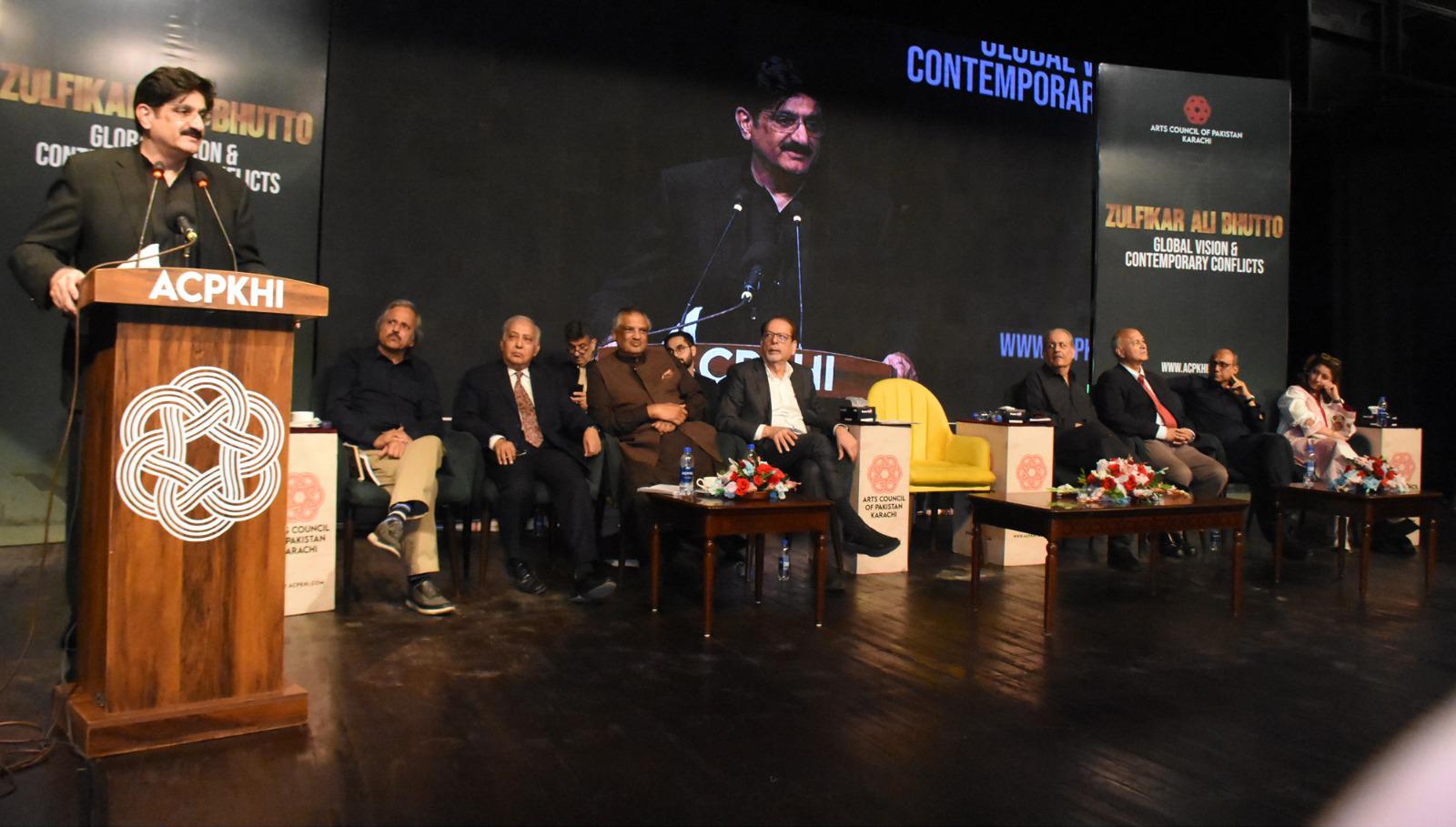


The Arts Council of Pakistan Karachi held a commemorative ceremony to mark the 47th death anniversary of Zulfiqar Ali Bhutto, highlighting his global vision and enduring political legacy.
Karachi Hosts First Women Chapter Networking Dinner 2026
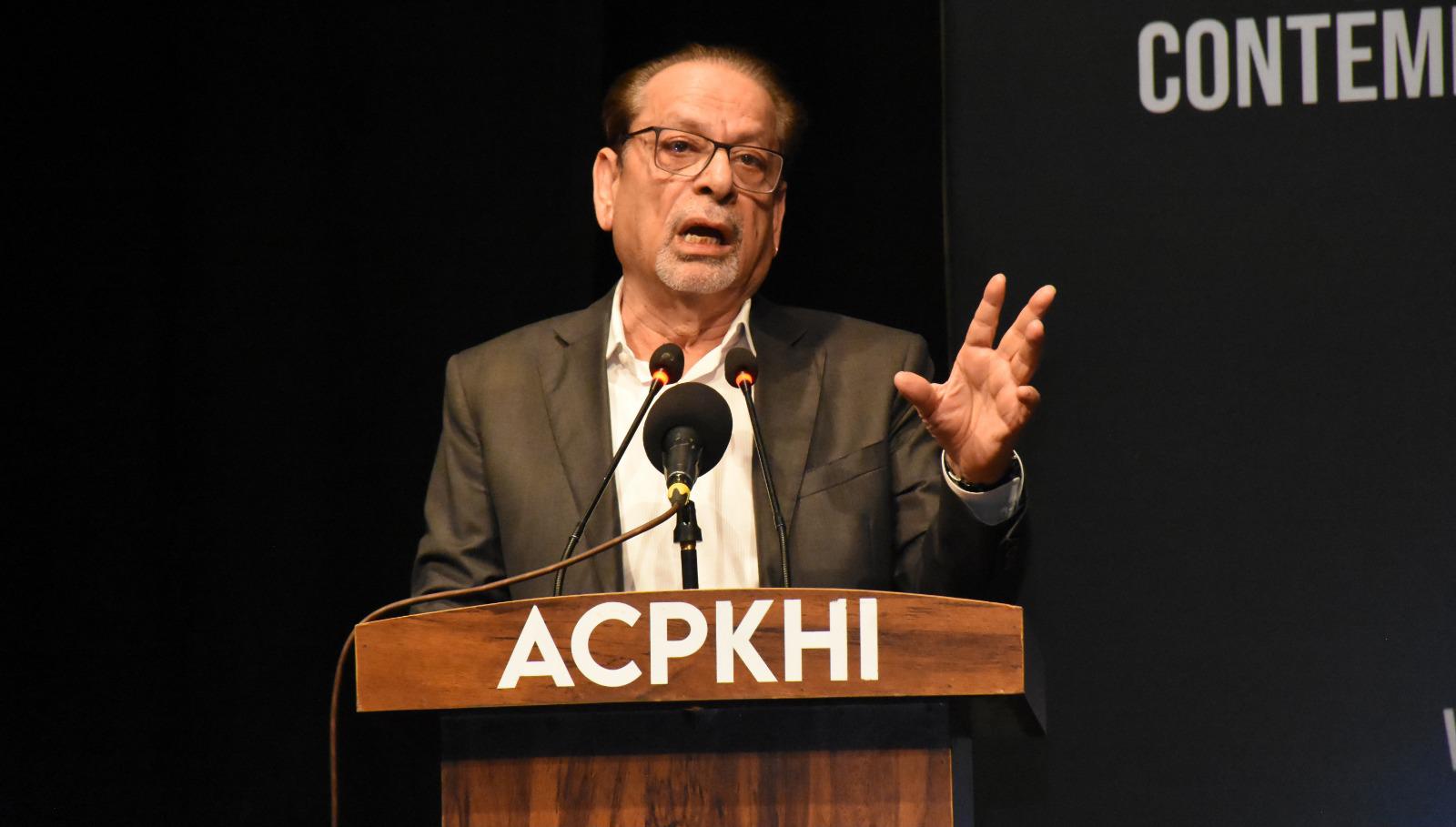
The event, titled “Zulfiqar Ali Bhutto (Global Vision & Contemporary Conflicts)”, was attended by Sindh Chief Minister Syed Murad Ali Shah as chief guest, along with prominent speakers including Mushahid Hussain Syed, Raza Rabbani, Sohail Warraich, Saeed Ghani, Huma Baqai, Dr. Jaffar Ahmed and Mazhar Abbas.
Addressing the gathering, Murad Ali Shah said Bhutto’s vision continues to shape Pakistan’s foreign policy, particularly in strengthening ties with China and promoting unity among Muslim nations. He added that Bhutto’s leadership and strategic foresight, including the initiation of Pakistan’s nuclear programme, played a crucial role in strengthening national defence.
President Arts Council Muhammad Ahmed Shah highlighted Bhutto’s contributions to cultural development, noting that he established key cultural institutions and recognized the importance of diplomacy through culture. He also described the Shimla Agreement as one of Bhutto’s major diplomatic achievements.
Speakers reflected on Bhutto’s role in empowering workers and marginalized communities, as well as his efforts to promote economic equity through nationalisation policies. They also discussed global conflicts, particularly in the Middle East, linking them to competition over natural resources such as oil and gas.
Raza Rabbani recalled Bhutto’s warning to Muslim countries about the need for unity in leveraging oil resources, which led to the landmark Islamic Summit Conference 1974. Mushahid Hussain Syed described Bhutto as a visionary statesman whose legacy continues to influence Pakistan and the Muslim world.
Journalist Sohail Warraich noted that Bhutto’s execution deprived Pakistan of democratic continuity, while Saeed Ghani termed him an extraordinary leader who achieved historic milestones within a short tenure. Mazhar Abbas and Huma Baqai emphasized Bhutto’s deep understanding of global politics and his intellectual contributions, even during imprisonment.
The ceremony concluded with a collective acknowledgment that Bhutto’s vision, policies, and leadership continue to shape Pakistan’s political discourse and democratic aspirations decades after his death.