Google to Invest $15 Billion in Malaysia’s AI Infrastructure Over Two Years
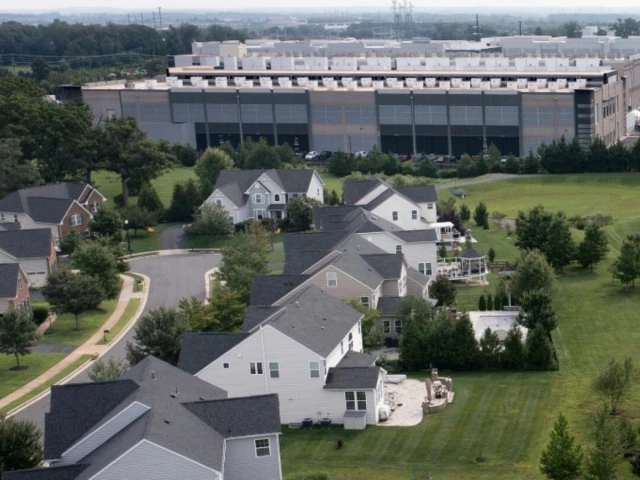
Google Investment in Malaysia will expand AI infrastructure and data centre capacity between 2027 and 2028.
Google has announced plans to invest $15 billion in Malaysia over the next two years to expand its data centres and artificial intelligence infrastructure. The investment reflects growing demand for AI services and Malaysia’s emergence as a major digital hub in Southeast Asia.
The US technology company said the investment would take place between 2027 and 2028. It will build on the $2 billion investment Google announced in Malaysia in 2024.
“Malaysia is one of Southeast Asia’s most dynamic digital economies, driven by 99% internet penetration and rapid AI adoption across government agencies, businesses, and consumers,” the company said in a statement.
Google Promises Clean Energy and Water Measures
Google said its data centre campuses in Malaysian industrial zones would follow energy-efficient practices. Furthermore, the company pledged to strengthen local water security and add more than one gigawatt of clean energy capacity to Malaysia’s national grid.
The company also highlighted the investment’s potential economic benefits.
Australia Defends Under-16 Social Media Ban in High Court Challenge
“Once operational, the facilities are projected to sustain more than 9,000 local jobs per year, with wages averaging 45% above the national median,” Google said.
Data centres house large numbers of computer servers that support AI systems, including chatbots and image-generation tools. However, these facilities require substantial electricity and, in many cases, large volumes of water for cooling.
Malaysia Emerges as Southeast Asia’s Data Centre Hub
Malaysia has become the region’s fastest-growing destination for new data centre projects. According to market intelligence firm DC Byte, the country accounts for more than half of the data centre capacity under construction across Southeast Asia.
The comparison includes Indonesia, Thailand, the Philippines and Vietnam.
Meanwhile, the International Monetary Fund forecasts Malaysia’s economy will grow by 5.2% in 2026. Data centre investment is among the activities supporting the country’s economic expansion.
Rising Energy Demand Raises Environmental Concerns
Despite the economic opportunities, the rapid expansion of data centres has raised environmental concerns.
These facilities consume significant amounts of electricity, often increasing pressure on power grids that still depend on fossil fuels. In addition, their cooling systems can place considerable demands on local water supplies.
Communities in several countries have also raised concerns about noise, pollution, visual impact and the number of jobs created by these projects.
Malaysia faces a particularly significant energy challenge. In July, the country’s deputy prime minister told parliament that data centres could account for one-third of total national energy consumption by 2035.
Following those concerns, the government said it would approve new data centre projects only after confirming sufficient energy and water supply capacity.
Environmental scrutiny is also increasing internationally. In October, a Finnish authority ordered work at two Google data centre sites to stop until the company completed mandatory environmental impact assessments.
Google’s latest investment therefore highlights both the growing economic importance of AI infrastructure and the need to manage its energy and environmental costs.