Oil Prices Rise as Investors Monitor US-Iran Tensions and Midterm Election Results
Brent crude climbs to $104.42 a barrel, while US WTI reaches $96.59 as traders assess geopolitical risks and falling US crude inventories.
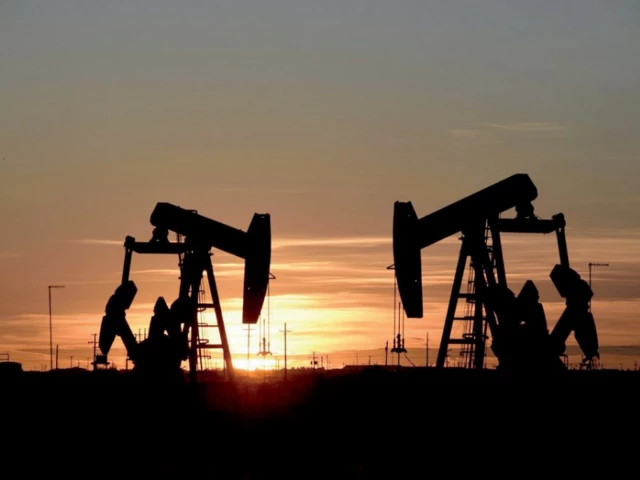
Oil prices rise as investors monitor US-Iran tensions and global crude supply risks.
Oil prices rose on Wednesday after reversing earlier losses. Investors monitored developments in the US-Iran war and the political fallout from the US midterm elections.
Brent crude futures gained 82 cents, or 0.8%, to reach $104.42 a barrel. Meanwhile, US West Texas Intermediate (WTI) crude rose 50 cents, or 0.5%, to $96.59.
In the previous session, Brent settled at its lowest level in nearly four weeks. Traders had weighed diplomatic efforts to end the wars in Ukraine and Iran.
The US midterm elections also drew market attention. Democrats secured majorities in both chambers of Congress, challenging President Donald Trump’s legislative agenda for the remainder of his second term.
However, uncertainty over Washington’s next steps in the Iran conflict continued to influence trading.
“President Trump’s conflicting signals, with military strikes continuing alongside statements downplaying further escalation, have made it difficult for traders to build strong directional conviction,” said Priyanka Sachdeva, head of market insights at Phillip Nova.
Sachdeva said some investors had reasons to take profits and reduce speculative positions following October’s sharp rally.
Nevertheless, she warned that supply disruption risks around the Strait of Hormuz remained. An unexpected decline in US crude inventories also provided support to prices.
US strikes and diplomatic efforts keep markets on alert
A US official said Washington carried out what it described as defensive strikes on Iran’s Qeshm Island on Tuesday. The strikes targeted surface-to-air missiles allegedly used against US assets.
Another official said the operation appeared limited and did not indicate a return to major combat operations.
Robert Pattinson’s Thriller Primetime Arrives on Digital Platforms
Meanwhile, markets watched for progress in efforts to end the US-Israeli war with Iran. Qatar increased its mediation efforts to prevent further escalation following the US elections.
However, a senior Iranian official told Reuters on Tuesday that Tehran and Washington remained far from an agreement to end the conflict.
US President Donald Trump also told the Financial Times on Tuesday that Washington had no immediate plans to strike Iran.
US crude inventories fall unexpectedly
Supply data offered another source of support for oil prices.
US crude stocks fell by 5.27 million barrels in the week ended October 30, according to figures from the American Petroleum Institute (API), cited by market sources.
By contrast, eight analysts polled by Reuters had expected crude inventories to increase by an average of 880,000 barrels.
Gasoline stocks rose by 1.43 million barrels. Meanwhile, distillate inventories, which include diesel and heating oil, declined by 1.19 million barrels.
Haitong Futures said diesel inventories remained tight, while gasoline stocks increased more than expected. The firm described the overall data as supportive of oil prices.
Investors awaited the US Energy Information Administration’s official inventory report, scheduled for 10:30 a.m. Eastern Time (1530 GMT) on Wednesday.