Pakistan Delays $2 Billion LNG Imports as Winter Gas Demand Set to Surge
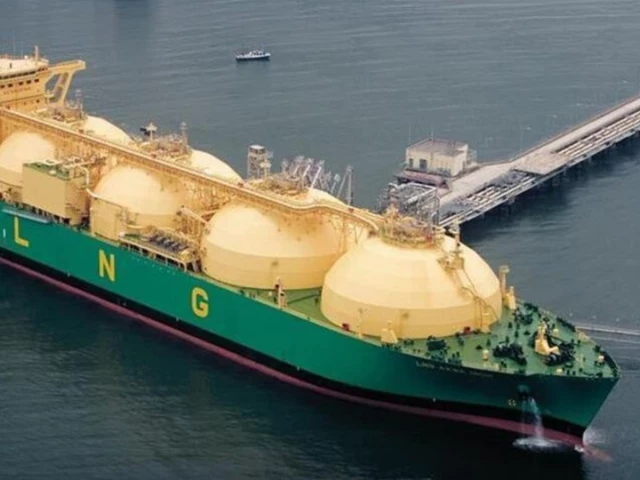
Pakistan’s delayed LNG imports raise concerns over winter gas supplies.
Pakistan’s winter gas supply plan remains pending as the government weighs the cost of importing an estimated $2 billion worth of liquefied natural gas (LNG). The Petroleum Division has urged authorities to begin procurement to prevent shortages, industrial disruptions and public unrest during the peak winter months.
The division warned that further delays could force the government to divert available gas to residential consumers by curtailing supplies to industries, power plants, fertiliser manufacturers, compressed natural gas (CNG) stations and cement factories.
Cabinet Committee Yet to Approve LNG Procurement
The Cabinet Committee on Energy (CCOE) has yet to consider the Petroleum Division’s proposal to import 22 LNG cargoes. The plan includes potential supplies from Azerbaijan and the United States, alongside efforts to secure available shipments from other sources.
Government officials said the division submitted its summary last month after consulting the Task Force on Power Sector Reforms and the National Coordination and Management Council. It requested permission to begin arrangements for 12 of the 22 cargoes between October 7 and October 10.
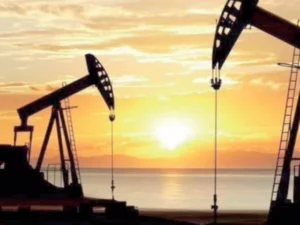
Oil Prices Rise Above $110 as Middle East Tensions Threaten Supply
However, the government has not issued a formal decision despite several meetings chaired by Prime Minister Shehbaz Sharif to determine the required quantity. Petroleum Minister Ali Pervaiz said the matter remained pending before the CCOE.
Officials said the government had considered importing only 15 cargoes instead of the proposed 22. However, they warned that a smaller quantity could deepen shortages during the coldest months.
Qatar Supply Uncertainty Raises Import Costs
Pakistan had expected to receive at least 11 LNG cargoes from Qatar under a long-term agreement. However, officials said uncertainty in the region had led Doha to extend the force majeure period until November, raising concerns about deliveries.
The government initially estimated the import bill at $1.5 billion, assuming some supplies would arrive from Qatar at approximately $12 per million British thermal units (MMBtu). With contracted deliveries uncertain, officials believe spot-market purchases could play a larger role in meeting winter demand.
At an estimated average cost of $87 million per cargo, importing 22 shipments could require nearly $2 billion between November and February.
The expense comes as Pakistan manages its external financing requirements. Official foreign exchange reserves stood at slightly more than $21 billion, while the country had raised $3 billion through Eurobonds ahead of a major debt repayment of a similar amount.
The Ministry of Economic Affairs reported that Pakistan received $5.4 billion in external loans during July–September. The figure includes Eurobond proceeds, while other financing sources have become more limited, according to the report.
Domestic Consumers to Receive Priority
The Petroleum Division has asked the CCOE to prioritise household consumers, maintaining gas supplies from 5am to 10pm and ensuring adequate pressure during cooking hours.
Under the proposed load-management plan, industrial, power and fertiliser consumers would receive gas according to demand and availability. Authorities would also curtail supplies to CNG stations, particularly in December 2026 and January 2027.
In severe winter conditions, shortages of LNG or disruptions to domestic gas production in northern areas could trigger further restrictions. The government may divert supplies from CNG stations, cement factories and industrial users to residential consumers.
On Sunday, Petroleum Minister Ali Pervaiz said in Lahore that the prime minister had held several meetings to address the expected winter challenges involving gas and liquefied petroleum gas (LPG). He said the government would review the situation and make the necessary fuel arrangements.
Azerbaijan and US Cargo Plans Face Delays
The Petroleum Division proposed allowing Pakistan LNG Limited to arrange four cargoes from Azerbaijan under a bilateral agreement. The proposal called for the arrangement to be established by October 10, but that deadline has passed without a reported final decision.
The plan also envisaged four cargoes arranged by Pakistan State Oil in collaboration with other market participants, with an October 7 deadline.
Separately, Pakistan LNG Limited was asked to explore three cargoes from a US government-nominated supplier by October 7, with the deal expected to be finalised by the end of October. Officials said these arrangements had not yet materialised.
The government’s proposed allocation includes nine cargoes to meet power-sector demand and 13 for residential consumers. The Petroleum Division has cited the continuing Middle East conflict as a major source of uncertainty for Qatar’s contracted deliveries.
Winter Demand Could Nearly Double
Pakistan’s daily gas demand is projected to rise from around 850 million cubic feet per day (mmcfd) to 1,600 mmcfd during winter. Demand on the Sui Northern Gas Pipelines Limited (SNGPL) network could increase from 550 mmcfd to 1,100 mmcfd.
Officials warned that at least two fertiliser plants connected to the SNGPL network could face gas supply suspensions if shortages intensify.
The Ministry of National Food Security and Research has estimated that the closure of Fauji Fertiliser Bin Qasim, Fatima Fert and Agritech could create a monthly urea shortfall of 109,000 metric tonnes.
The Petroleum Division has also assessed the foreign exchange implications of importing urea instead of LNG, as well as the potential cost of subsidies. Its preliminary assessment suggests that importing LNG and supplying it to consumers could carry higher financial implications for a single month than importing urea.
The final procurement decision will determine how Pakistan balances winter household demand, industrial activity, power generation, fertiliser production and pressure on foreign exchange reserves.