KCCI Pledges Support to Transporters, Seeks Relief from Rising Fuel Costs and Heavy Fines
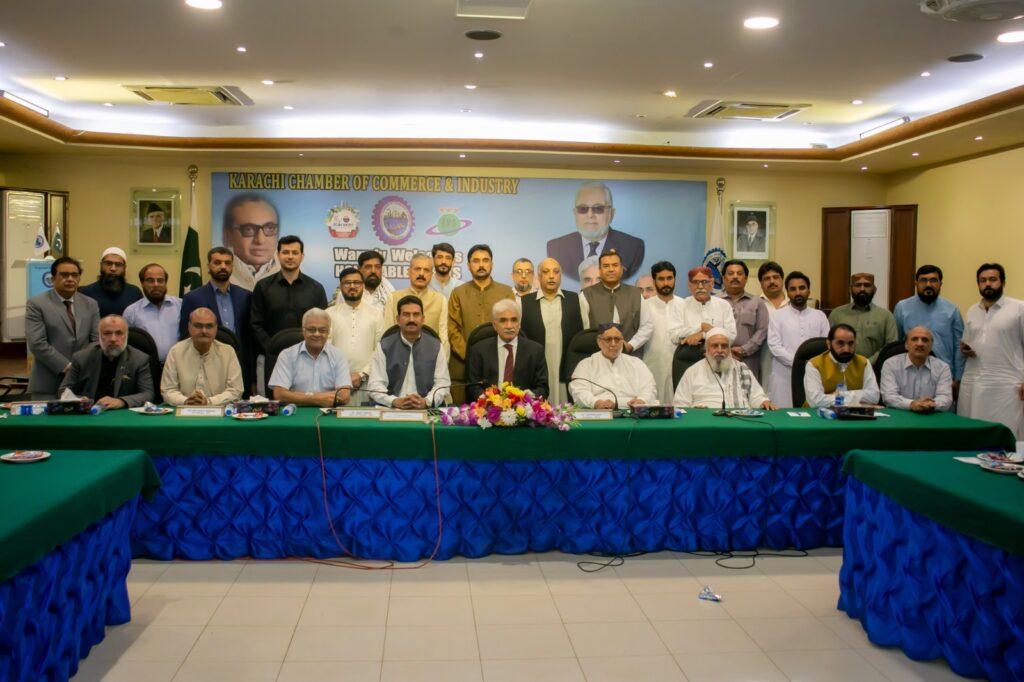
President Karachi Chamber of Commerce & Industry (KCCI) Talat Mahmood presenting crest to Chairman Local Goods Transporters Alliance Malik Khalid Awan during the visit of LGTA delegation to KCCI. Senior Vice President KCCI Aslam Pakhali; Vice President KCCI Atif Jamil ur Rahman; President LGTA Muhammad Ramzan, Vice President LGTA Haji Jamshed Tahir, Vice President LGTA Muhammad Usman, Chairman, All Pakistan Oil Tanker Owners Association Gul Faraz Khan Jadoon, Chairman All Karachi Floor Mills Transporters Association Jehangir Khan Niazi, President KWTA Malik Shareef Awan, Muhammad Usman and KCCI Executive Committee Members are also seen in the picture.
The Karachi Chamber of Commerce and Industry (KCCI) has pledged to raise transporters’ concerns with the federal and Sindh governments, calling for relief from soaring fuel prices, excessive traffic fines, port congestion and deteriorating roads.
KCCI President Talat Mahmood gave the assurance during a meeting with a delegation of the Local Goods Transporters Alliance (LGTA) and other transport associations at the Chamber. He said rising logistics costs were hurting industrial productivity, business competitiveness and Pakistan’s overall cost of doing business.
Mahmood assured the delegation that KCCI would pursue practical solutions through dialogue with the relevant authorities. He also urged transporters to consult the Chamber before announcing strikes, allowing KCCI to facilitate negotiations and seek timely resolutions without disrupting goods movement.
He called for rationalising excessive traffic fines while ensuring the uniform enforcement of traffic laws.
Rising Fuel and Transport Costs Pressure Businesses
Mahmood highlighted the growing burden of diesel prices and freight charges on industries already facing high operating expenses. He warned that continued cost increases could force businesses to reduce production or shut down, weakening Pakistan’s competitiveness in regional markets.
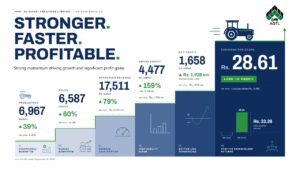
AGTL Reports Strong Turnaround as Revenue Rises 79% and Profit Reaches Rs1.66 Billion
He also proposed developing dedicated truck and trailer parking facilities near Karachi’s ports. The government could allocate suitable public land for this purpose and charge reasonable parking fees, helping reduce congestion and improve the movement of goods.
KCCI Calls for Road Repairs and Port Route Restoration
Addressing Karachi’s deteriorating infrastructure, the KCCI president said damaged roads, potholes, incomplete utility works and poor traffic management were increasing vehicle maintenance costs, causing delays and creating road safety risks.
He pledged to urge the relevant authorities to repair damaged roads, improve infrastructure and restore the bridge near Ghaghar Phatak on the Port Qasim industrial route.
Mahmood added that regulatory requirements, including third-party insurance, should go hand in hand with improved public infrastructure and a more supportive operating environment for transporters.
LGTA Seeks Stronger Coordination with KCCI
LGTA Chairman Malik Khalid Awan expressed confidence that the transport sector’s representation in KCCI’s elected team through LGTA Vice President Muhammad Usman would improve coordination and strengthen follow-up on industry concerns.
Awan said transporters played a vital role in the supply chain by moving goods between factories, mills and warehouses. However, they continued to face administrative hurdles, port congestion and poor road conditions.
He hoped regular consultations with KCCI would help resolve disputes before they escalated into strikes and disrupted commercial activity.
APOTOA Highlights Diesel Prices and Rising Operating Expenses
All Pakistan Oil Tankers Owners Association (APOTOA) Vice Chairman Khanzada Mehsood urged the government to provide immediate relief from high diesel prices, heavy traffic penalties and rising operating costs.
He said transporters were struggling to meet essential expenses, including drivers’ salaries, vehicle maintenance and tyre replacement. According to Mehsood, diesel prices had crossed Rs400 per litre, while the price of a pair of tyres had risen from approximately Rs70,000–75,000 to Rs180,000. Toll charges had also increased substantially, even as freight rates and business activity remained depressed.
Mehsood further highlighted unresolved heavy-vehicle licensing issues, third-party insurance requirements and a shortage of adequate parking facilities. He urged KCCI to take up these concerns with the relevant government departments.
Damaged Ghaghar Phatak Bridge Adds to Freight Costs
Mehsood also drew attention to the damaged bridge near Ghaghar Phatak, saying its prolonged closure had forced vehicles serving the surrounding industrial area to take lengthy diversions.
He estimated that these alternative routes added Rs7,000–8,000 to the transportation cost of each vehicle. He called on KCCI to approach the relevant Port Qasim authorities for urgent repairs, warning that the additional expenses ultimately pushed up freight charges and placed a further burden on industrial consumers.
KCCI Reaffirms Commitment to Transport Sector
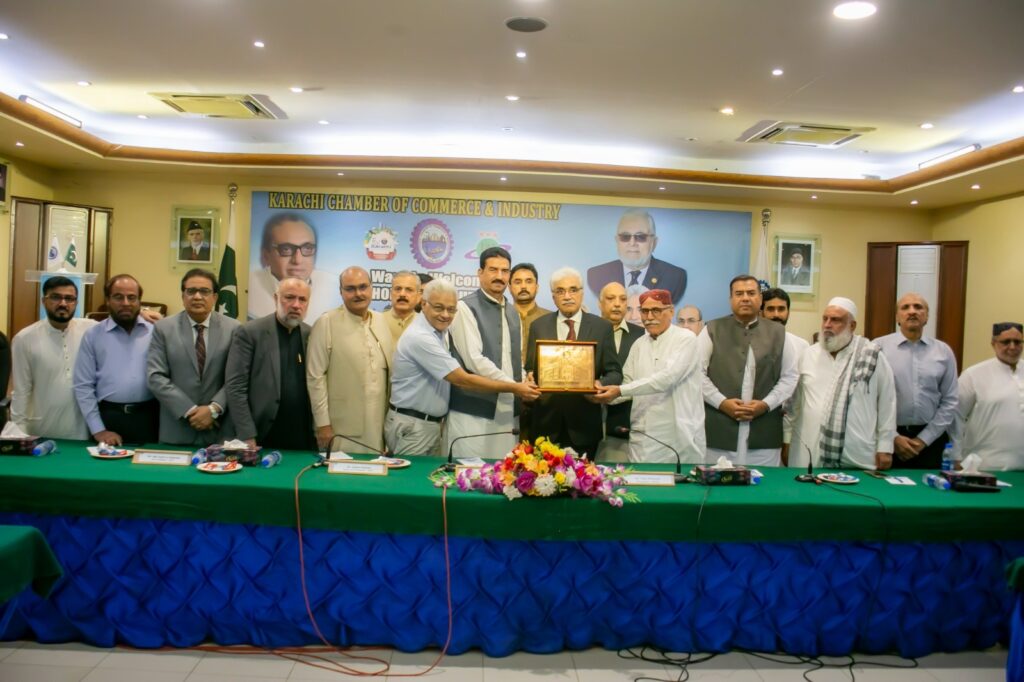
The meeting was attended by LGTA Chairman Malik Khalid Awan, LGTA President Muhammad Ramzan, LGTA Vice Presidents Haji Jamshed Tahir and Muhammad Usman, APOTOA Chairman Gul Faraz Khan Jadoon, APOTOA Vice Chairman Khanzada Mehsood, All Karachi Floor Mills Transporters Association Chairman Jehangir Khan Niazi and KWTA President Malik Shareef Awan.
KCCI Senior Vice President Aslam Pakhali, Vice President Atif Jamil ur Rahman, an Executive Committee member and other transport sector representatives also attended.
Concluding the meeting, Mahmood reiterated KCCI’s commitment to working with transport associations and government departments to address the sector’s challenges.
He stressed that efficient transportation, reliable roads and adequate port facilities were essential for Karachi’s industrial and commercial growth. Timely government action and sustained consultation, he added, would help reduce logistics costs, protect business competitiveness and maintain the uninterrupted movement of goods.