LPG Prices Surge to Rs600 per Kilogram, Mian Zahid Hussain Urges Government Action
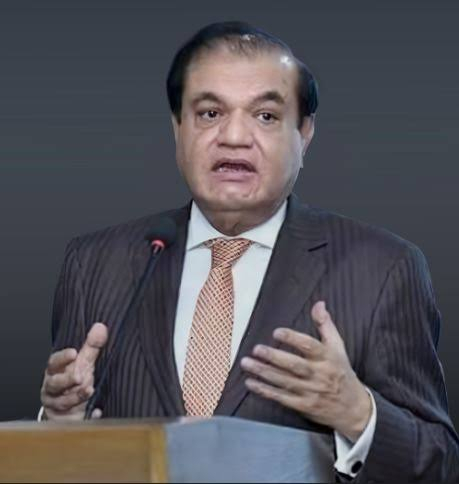
LPG Prices: Mian Zahid Hussain urges action against shortages and excessive market rates.
Mian Zahid Hussain has urged the government to control soaring liquefied petroleum gas (LPG) prices. He called for urgent supply measures and stronger regulatory enforcement to protect households and businesses.
Mian Zahid Hussain serves as President of the Pakistan Businessmen and Intellectuals Forum (PBIF) and All Karachi Industrial Alliance. He also chairs the National Business Group Pakistan and the FPCCI Policy Advisory Board.
He expressed concern that LPG prices had reached Rs500–600 per kilogram in several markets. In contrast, the Oil and Gas Regulatory Authority (OGRA) set the October price at Rs279.34 per kilogram.
Pakistan is already facing uncertainty over imported liquefied natural gas (LNG) supplies amid regional tensions. Although an LNG cargo arrived in October, uninterrupted supplies remain essential as winter approaches.
Kaspersky Finds Barcode Scanner Vulnerabilities That Could Threaten Warehouse Security
Meanwhile, disruptions in pipeline gas supplies are pushing households and businesses towards LPG. However, shortages and high prices are making this alternative fuel increasingly difficult to afford.
LPG Market Prices Far Exceed Official Rates
OGRA’s notified LPG price rose by approximately 8%, from Rs258.65 per kilogram in September to Rs279.34 in October. Yet market prices have climbed to Rs500–600 per kilogram.
These rates stand approximately 79% to 115% above the notified October price. Mian Zahid Hussain said the monthly increase alone could not explain this substantial gap.
He urged authorities to examine supply-chain disruptions, import expenses, transportation costs and distribution margins. Such scrutiny could help identify the factors driving prices beyond the official rate.
The notified price of an 11.8-kilogram domestic cylinder increased from Rs3,052.09 in September to Rs3,296.23 in October. This represents an increase of Rs244.14.
At prevailing market rates, however, the same cylinder costs between Rs5,900 and Rs7,080. Consumers therefore pay approximately Rs2,600–3,800 above the notified price, based on the supplied figures.
This additional expense places considerable pressure on low-income families. Many households must balance fuel costs against food, education and medical expenses. Higher winter consumption could increase this financial burden further.
Iran Border Trade Closure Adds to Supply Concerns
Citing the Planning Commission’s Annual Plan 2025–26, Mian Zahid Hussain said domestic LPG supply reached 730,000 tonnes during FY2024–25. This equated to an average of around 2,000 tonnes per day.
Pakistan also imported 1.5 million tonnes during the same period. Imports accounted for approximately 67% of the combined domestic supply and import volume, highlighting the country’s dependence on external sources.
He said the suspension of border trade with Iran on September 19 had affected LPG availability. Regional conflict and risks to maritime transport could also raise import costs and delay shipments.
Mian Zahid Hussain also cited OGRA’s 2023–24 report, which placed daily LPG sales at approximately 5,000 tonnes. He urged authorities to facilitate lawful cargo clearance while meeting all security requirements.
In addition, he called for alternative supply arrangements to prevent further shortages. Better coordination among the Petroleum Division, Ministry of Commerce, OGRA and Customs could reduce unnecessary delays and costs without compromising national security.
Rising Fuel Costs Threaten Households and Businesses
Mian Zahid Hussain warned that limited LNG supplies could put pressure on industrial production and electricity supplies. At the same time, pipeline gas interruptions are increasing household and commercial dependence on LPG.
Rising LPG prices are also squeezing restaurants, tandoors, bakeries and other small businesses. Many operators may pass higher fuel costs on to customers through increased food and service prices.
Households face a similar challenge. Higher spending on cooking and heating fuel leaves less money for other essential purchases.
Together, these pressures could intensify inflation and weaken business activity. They could also create further difficulties for Pakistan’s industrial sector.
Stronger Regulation Needed to Curb Excessive Prices
Mian Zahid Hussain urged OGRA to enforce daily stock-reporting requirements for LPG marketing companies. He also called for closer monitoring of supplies at ports, storage facilities, filling plants and during transportation.
Authorities should take legal action wherever they find evidence of artificial shortages, hoarding or profiteering. Transparent and competitive allocation of locally produced LPG is equally important.
He warned that import difficulties should not justify excessive margins on domestic supplies. Authorities must ensure that local production reaches consumers through fair and transparent distribution channels.
Government Urged to Prepare Winter Energy Plan
Mian Zahid Hussain called for a coordinated winter energy plan covering LNG, domestic gas and LPG demand. The plan should also account for available stocks and required imports.
He urged the government to review actual import, insurance and transportation costs transparently within the LPG pricing mechanism. Timely deliveries to remote areas and targeted relief for deserving households should also form part of the response.
Mian Zahid Hussain stressed that affordable and reliable energy supplies are essential for protecting purchasing power. They also support small businesses and keep industrial production running.
He called on the government to address supply disruptions and enforce pricing regulations promptly. Effective action, he said, would help prevent the energy crisis from placing an even heavier burden on households and the wider economy.