IMF Calls for Fairer Tax System in Pakistan as Salaried Class Faces Rising Burden
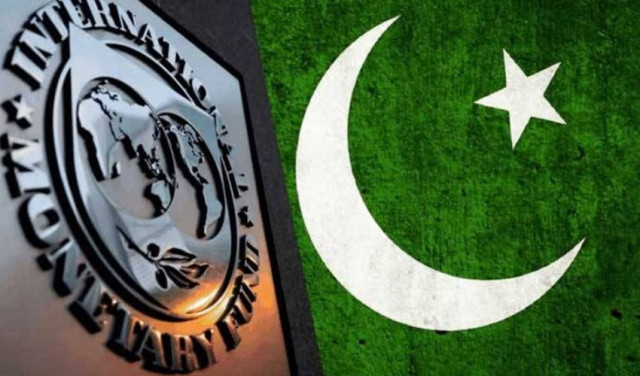
IMF Regional Director Jihad Azour calls for fairer taxation and broader compliance in Pakistan.
The International Monetary Fund (IMF) has called for a fairer and more neutral tax system in Pakistan, as revenue data point to a growing burden on salaried individuals and limited tax contributions from several influential sectors.
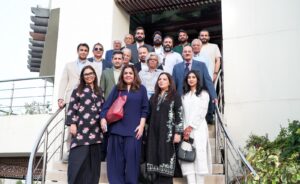
Speaking on Tuesday at the opening of a two-day tax conference, IMF Regional Director Jihad Azour said Pakistan needed to improve tax compliance, strengthen revenue administration and create conditions for businesses to expand.
“A fairer tax system can encourage compliance, better services can strengthen trust, and a more neutral tax structure can allow productive firms to expand rather than remain small or informal,” Azour said.
He identified broadening the tax base, reducing tax expenditures, protecting priority spending and improving public services as key priorities for Pakistan.
Salaried Class Pays More as Other Sectors Lag
The latest revenue figures highlight differences in tax contributions across sectors during the first two years of Pakistan’s IMF programme. While income tax payments by salaried individuals have increased, collections from real estate and agriculture have remained below targets or declined.
Dylan Sprouse Jokes About Family Tree, Cole Reacts to Viral Headline
According to the figures cited in the report, the salaried class contributed Rs391 billion annually before the programme began. That amount rose to Rs629 billion by June 2026.
In contrast, income tax collection from the real estate sector fell 38% to Rs35.2 billion during the first three months of the current fiscal year. The collection was Rs22 billion lower than in the corresponding period of the previous fiscal year, following a government decision to cut income tax rates for the sector by 50%, a move the report says the IMF also endorsed.
The real estate sector paid Rs200 billion in income tax in fiscal year 2024. Collections increased to Rs236 billion in the last fiscal year, but the recent rate reductions could bring annual revenue below Rs150 billion, according to the report.
Retailer Tax Scheme Falls Short of Target
The report also highlighted limited participation in the government’s tax scheme for traders.
As of October 15, only 137 new retailers had joined the scheme, against an annual target of one million. The scheme has faced criticism over provisions allowing traders to conduct cash transactions, which critics say could encourage informality rather than improve documentation.
The report states that the IMF endorsed the scheme despite concerns about its potential impact on formalisation.
Agricultural Income Tax Collections Remain Low
Agricultural income tax collections in Punjab and Sindh also fell short of expectations under the new regime introduced as part of the IMF programme.
The two provinces cumulatively collected Rs5.1 billion by June, according to the figures cited in the report.
In Sindh, the government collected Rs1.1 billion against a target of Rs2 billion for the previous fiscal year. Punjab collected Rs4 billion against a target of Rs10.5 billion, according to the province’s budget documents.
These figures have renewed questions about the pace of tax reforms and the extent to which the government can bring previously undertaxed sectors into the tax net.
IMF Urges Pakistan to Turn Stability into Growth
Azour said the conference came at a critical point in Pakistan’s reform process. He acknowledged progress in restoring macroeconomic stability, rebuilding confidence, strengthening external buffers and supporting a gradual economic recovery.
However, he stressed that Pakistan’s next challenge was to convert those gains into stronger and more sustainable economic growth.
“Moving beyond the cycles of adjustment toward a more competitive, investment-friendly and inclusive economy is the ambitious set of reforms that was set clearly by the government and supported by the IMF through the Extended Fund Facility (EFF),” he said.
Azour also warned that Pakistan remained exposed to higher energy and food prices, trade and supply-chain disruptions, weaker external demand and tighter global financing conditions.
In this environment, he said, fiscal policy must do more than meet primary balance targets. It must also preserve economic stability while creating room for investment and social spending.
Debate Over Economic Stabilisation
The conference took place amid a wider government discussion about the Federal Board of Revenue’s (FBR) ability to deliver tax reforms. The prime minister has reportedly shelved a proposal to abolish the FBR, but the debate has highlighted continuing concerns about expanding the tax base.
Planning Minister Ahsan Iqbal has also questioned the country’s economic stabilisation strategy, describing it as “stunted and borrowed” in a letter to the prime minister. Iqbal argued that the approach had focused heavily on fiscal indicators.
Azour, meanwhile, said Pakistan needed to reinforce policy credibility, support economic recovery and create space for public investment and social spending to promote long-term growth and improve public welfare.
Fairness and Predictability Key to Tax Reform
Azour described tax reform as central to Pakistan’s economic growth agenda and the objectives of the IMF’s Extended Fund Facility.
He said a broader, fairer and more predictable tax system could strengthen fiscal sustainability while reducing barriers to investment, productivity and formal employment.
“When the tax system is simpler, more neutral and predictable, it lowers the cost of formality, improves resource allocations and gives businesses greater confidence to invest and grow,” he said.
Azour also emphasised that taxpayers were more likely to comply when rules were transparent and the system did not reward informality or provide preferential treatment.
He called for a medium-term tax strategy with clear objectives, carefully sequenced policies and transparent implementation responsibilities. Successful reform, he added, required institutional ownership, coordination between federal and provincial governments, engagement with businesses and civil society, and effective communication with citizens.
The IMF’s message comes as Pakistan continues to balance fiscal targets with demands for a broader tax base and a more equitable distribution of the tax burden.