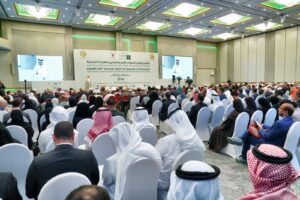
SBP Launches Banking on Equality Policy 2026 to Narrow Gender Gap in Financial Inclusion
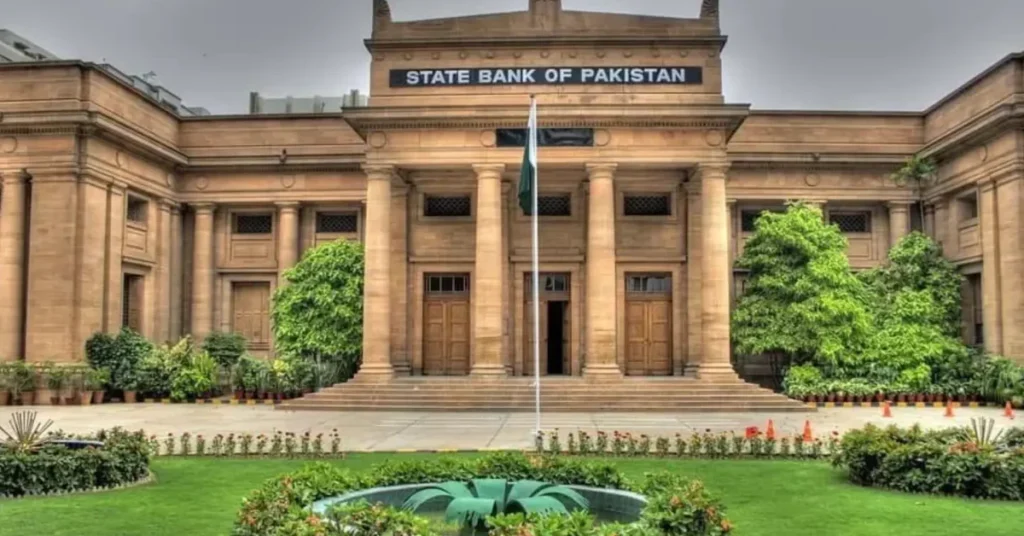
State Bank of Pakistan launches Banking on Equality Policy 2026 to improve women’s financial inclusion.
The State Bank of Pakistan (SBP) has launched the second edition of its Banking on Equality (BoE) Policy. The initiative aims to reduce the gender gap in financial inclusion and expand women’s access to banking and financial services.
The policy builds on progress made since 2021. It also seeks to create an environment where women can participate more fully in Pakistan’s economic development. Digitalisation, entrepreneurship and improved access to finance form its core priorities.
Previous Policy Shows Progress
Women’s financial inclusion remains a key part of the SBP’s Vision 2028. According to the central bank, the gender gap in financial inclusion narrowed from 39% in 2021 to 29% in 2025 under the previous policy.
During the same period, banks recruited more than 17,500 women. As a result, women’s share of the banking workforce increased from 13% to 17%. Banks have also established dedicated teams to develop financial products and services for women.
FPCCI Reconstitutes Pakistan–USA Business Council to Boost Trade and Investment
In recognition of its work, the SBP recently received the Policy Achievement Award for Gender Inclusive Finance 2026 from the Alliance for Financial Inclusion (AFI).
Four Priorities for Banking on Equality 2026
The updated policy introduces new actions and targets across four main areas:
Women’s representation: Improve women’s recruitment, retention and career progression in the financial sector.
Digital financial access: Expand women’s access to digital accounts and payment services.
Entrepreneurship and financial literacy: Support women through dedicated hubs and financial education.
Gender-based data: Improve data collection to monitor progress and identify gaps in outreach.
In addition, the policy sets targets for women’s recruitment, customer outreach and representation among branchless banking agents. It also encourages banks to provide daycare facilities for working mothers. Career development measures should help more mid-career women progress into leadership positions.
Digital Banking and Payments for Women
The policy directs banks to improve women’s access to digital financial services. Measures include targeted digital onboarding campaigns and simplified digital accounts designed for women.
Furthermore, the SBP aims to encourage digital payments among women-led businesses. These steps are intended to make financial services more accessible and convenient.
Financing for Women-Owned Businesses
The policy also seeks to expand financing for women-owned and women-led micro, small and medium-sized enterprises (MSMEs). It encourages lenders to increase the share of women borrowers across key financing segments.
To address barriers to credit, banks are encouraged to incorporate gender considerations into their lending plans. They can also introduce simpler, specialised financing products. Digital platforms and fintech partnerships may help extend their reach.
Meanwhile, alternative credit assessments and collateral arrangements could support women who lack an extensive formal credit history. These measures aim to help more women entrepreneurs access finance and grow their businesses.
Monitoring and National Financial Inclusion Goals
To ensure effective implementation, the SBP will introduce a monitoring and evaluation framework. Banks will provide quarterly data, while regular mystery-shopping exercises will help assess service delivery.
The central bank said it finalised the policy after consultations with local and international stakeholders. The framework will support the National Financial Inclusion Strategy’s target of reducing the gender gap in financial inclusion to 25% by 2028.
It will also support the implementation of the World Bank-led Women Entrepreneurs Finance Code initiative.
Through public-private collaboration and targeted reforms, the Banking on Equality Policy 2026 seeks to strengthen women’s economic participation. Ultimately, the initiative aims to build a more inclusive financial system and support Pakistan’s broader economic growth.