
Pakistan Independence Day: Governor Sindh Calls for Youth to Remember Freedom Struggle
At an Independence Day Mushaira in Karachi, Governor Sindh Syed Muhammad Nehal Hashmi said literature and poetry can help younger generations understand the sacrifices behind Pakistan’s creation.
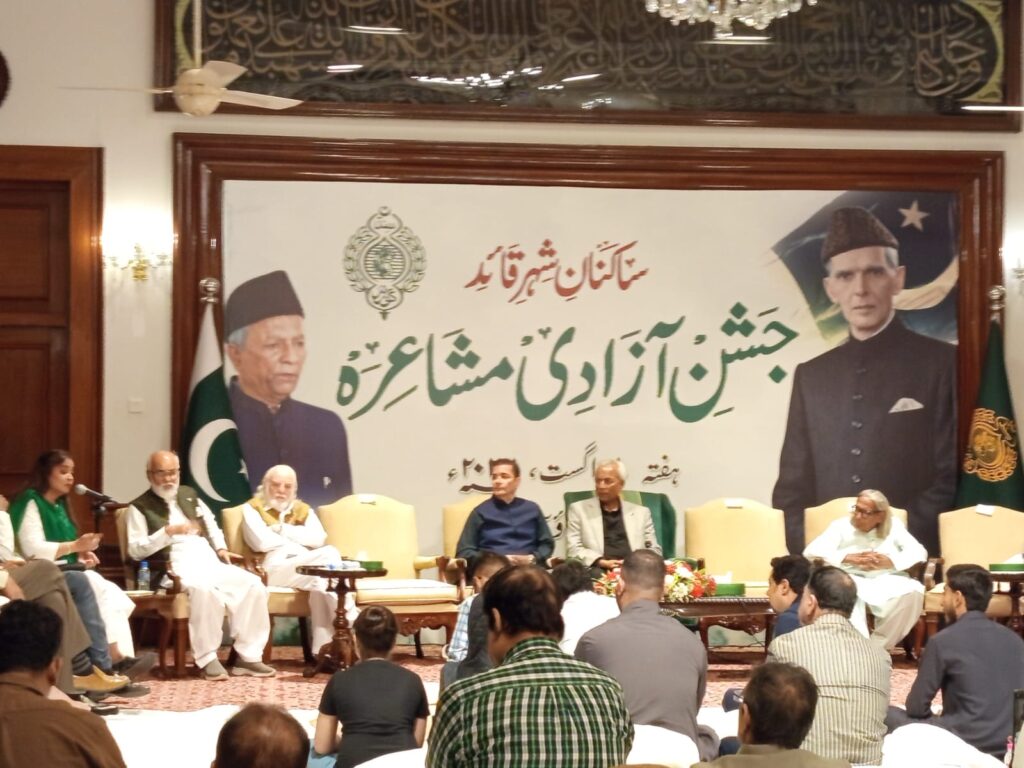
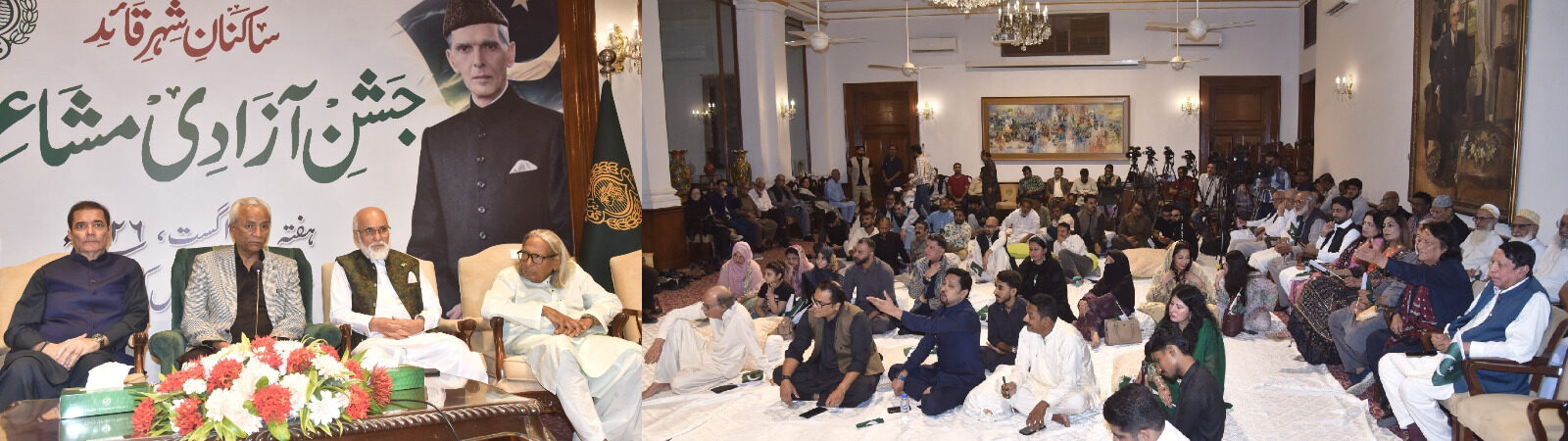
Governor Sindh Syed Muhammad Nehal Hashmi addresses an Independence Day Mushaira at Governor House Karachi.
KARACHI, August 9, 2026: Governor Sindh Syed Muhammad Nehal Hashmi has called on young Pakistanis to learn about the sacrifices made during the country’s independence struggle, saying literary gatherings can provide an effective way to preserve that history.
Addressing a grand Mushaira at Governor House in Karachi as part of Pakistan Independence Day celebrations, the governor said the creation of Pakistan represented decades of determination, unity and sacrifice by millions of Muslims.
He said people who fought for a separate homeland gave up their lives, property, homes and personal happiness so that future generations could live in a free country.
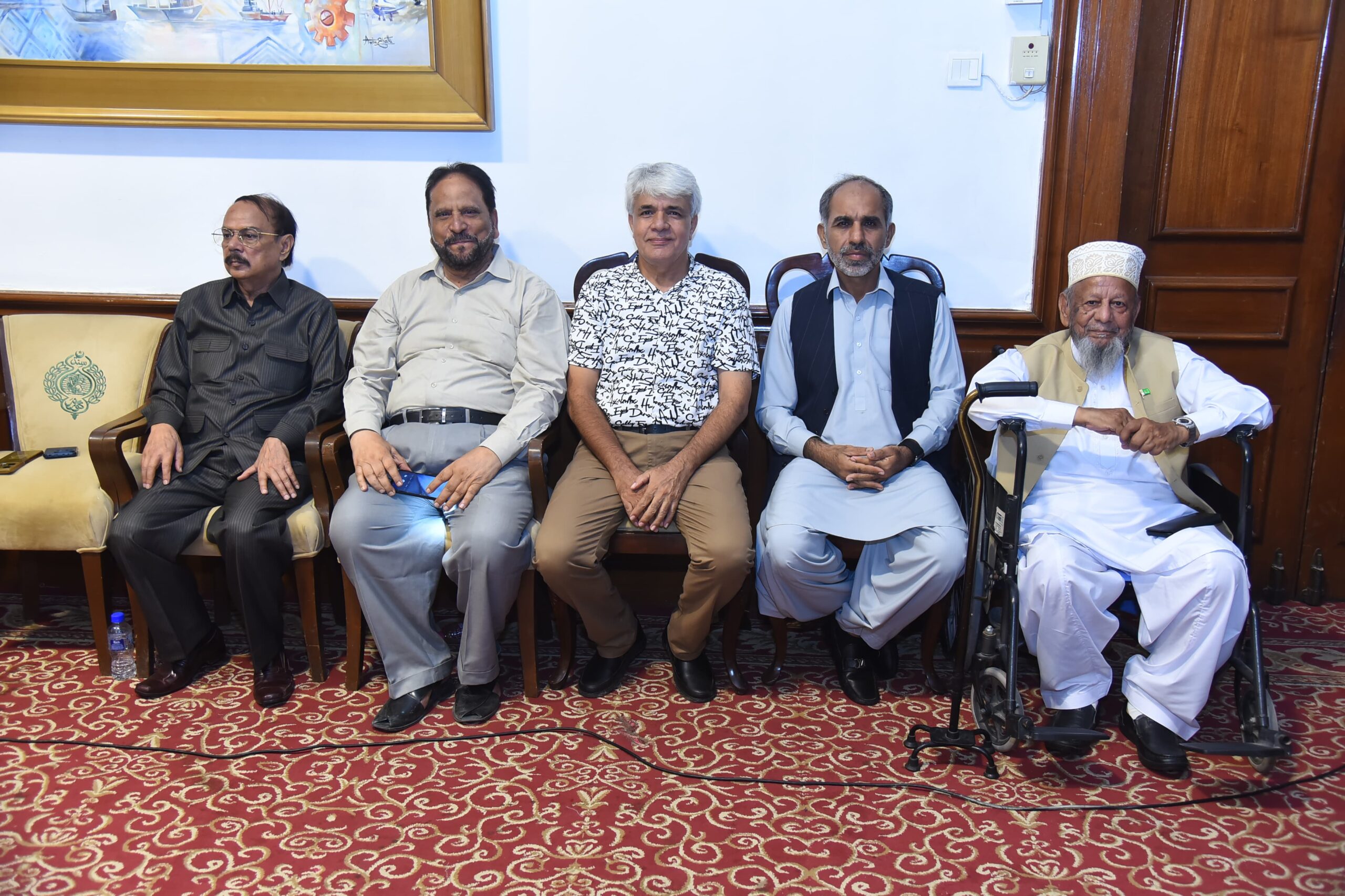
The Mushaira was presided over by renowned poet Sahar Ansari. Senator Abdul Haseeb, Chairman Karachi Port Qasim Rear Admiral (Retd.) Syed Moazzam Ilyas and other prominent personalities attended the event as special guests.
Pakistan Art Takes Centre Stage in London Exhibition Showcasing Cultural Heritage
A large gathering of poets, writers and intellectuals also participated. Javed Saba, Anwar Shaoor, Akhtar Saeedi, Iqbal Khawar, Dr Iqbal Pirzada, Khawaja Razi Haider, Tariq Sabzwari, Wajahat Naseem, Ambreen Haseeb Amber, Shaista Mufti, Wajeeha Sani, Tabish Zaidi, Sabeen Saif and Mazhar Hani were among the poets who presented patriotic verses.
Their poetry paid tribute to Pakistan’s independence and reflected on the emotions, aspirations and sacrifices associated with the country’s creation.
Governor Hashmi also paid tribute to Quaid-e-Azam Muhammad Ali Jinnah, describing him as a leader who continued his struggle despite serious health challenges.
He said Jinnah worked tirelessly to establish an independent homeland and endured difficult circumstances so that future generations could have the opportunity to live with freedom and sovereignty.
The governor said nations that remember and honour those who contributed to their progress are more likely to preserve their identity and move towards success. By contrast, he warned, societies that forget their heroes risk losing an important part of their history.
He also highlighted the role of poets and writers in the Pakistan Movement, saying literature helped inspire people, build political awareness and strengthen the desire for independence.
According to Governor Hashmi, Jinnah’s vision extended beyond the creation of a separate state. He said the founder wanted future generations to build a country capable of providing its citizens with education, healthcare, economic opportunities and other essential services.
The governor stressed that remembering the independence struggle should not be limited to official celebrations. Young people, he said, need to understand the human cost behind the country’s freedom and recognise the responsibility that comes with preserving it.
Poetry, he added, has a unique ability to bring people together, evoke emotions and strengthen a nation’s sense of purpose. Urdu literature, in particular, played an important role in developing political and national consciousness during the Pakistan Movement and continued to influence public life after independence.
He described literary gatherings as an important bridge between generations, allowing young people to connect with the country’s history through poetry, storytelling and cultural expression.
The governor concluded by urging citizens to contribute towards Pakistan’s peace, prosperity, education and development. He called for national unity and encouraged people to place the country’s interests above personal and political differences.
The message came ahead of Pakistan’s Independence Day, with celebrations across the country expected to focus not only on the achievement of freedom but also on the responsibilities of building a stronger and more united nation.