Strait of Hormuz Talks Advance as Iran, Oman Near Shipping Route Agreement
Tehran says a joint statement is in final review while diplomatic efforts continue to ease tensions over one of the world’s busiest energy corridors.
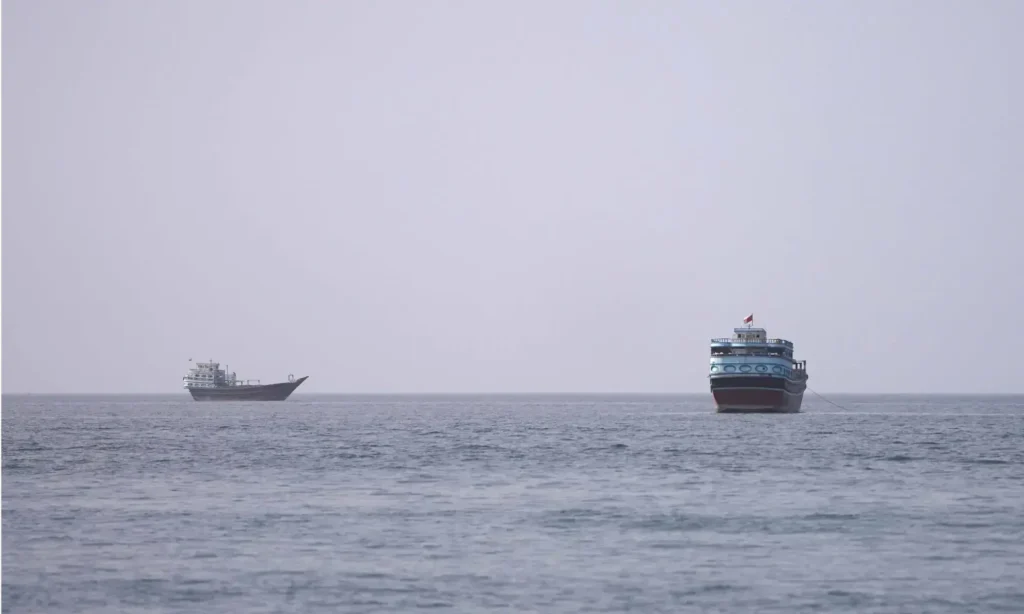
Commercial vessels transit the Strait of Hormuz as Iran and Oman negotiate a new shipping route
Iran and Oman Near Shipping Agreement
Strait of Hormuz negotiations moved closer to completion on Wednesday after Iran announced that it had reached an agreement with Oman on the geographical route for commercial vessels passing through the strategic waterway
Iran’s Foreign Ministry said both sides had finalised the route’s geographical coordinates and were completing a joint statement outlining the main points of agreement. Foreign Ministry spokesperson Esmaeil Baqaei said the announcement could be released soon if no external parties disrupted the process.
Iran stressed that reopening the Strait of Hormuz would depend on the United States ending what Tehran describes as a naval blockade of its ports. Officials said security concerns remained despite progress in negotiations, arguing that US military activities continued to threaten maritime stability in the region.
Matric Result Gujranwala Board 2026 Announced as Thousands Receive 10th Class Results
Tehran Seeks Greater Control Over Strait of Hormuz Shipping
According to Iranian officials, the proposed route would allow commercial vessels to travel through Iranian and Omani territorial waters on both inbound and outbound journeys.
Deputy Foreign Minister Kazem Gharibabadi said Iran and Oman had reached fundamental understandings on maritime traffic management and the mapping of shipping lanes.
However, reports indicate that discussions continue over how shipping inspections and operational control will be managed. Gulf states are reportedly seeking a regional supervisory role while insisting that any transit-related payments remain voluntary.
The Strait of Hormuz handles a significant share of the world’s oil exports, making any changes to its management closely watched by global energy markets.
Trump Signals Progress in Talks
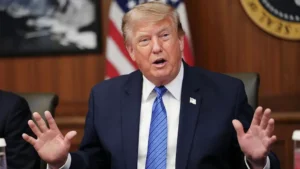
US President Donald Trump said Washington and Tehran held productive day-long negotiations on Tuesday and expressed optimism that the waterway could reopen soon.
Speaking to Fox News, Trump warned that the United States would respond forcefully if Iran withdrew from negotiations but described the ongoing discussions as positive.
Diplomatic sources said talks continue over key issues, including the extent of Iran’s authority over vessels entering and leaving the Gulf.
Iran Warns Gulf States Over Possible US Action
Reuters reported that Iran had warned several Gulf countries that any renewed US military strike could trigger retaliation against energy infrastructure across the region.
Iranian Foreign Minister Abbas Araghchi reportedly held talks with officials from Saudi Arabia, Qatar, Turkey and Pakistan, urging regional partners to encourage Washington to pursue diplomacy instead of military action.
According to the report, Saudi Crown Prince Mohammed bin Salman also urged President Trump to delay any military action and continue negotiations aimed at reducing regional tensions.
Houthi Attacks Renew Shipping Concerns
Meanwhile, Yemen’s Houthi movement claimed responsibility for separate missile attacks on two Saudi oil tankers in the Red Sea and the Gulf of Aden.
The group said it targeted the tankers Wafa and Daisy with ballistic missiles. Saudi authorities had not commented on the claims at the time of publication.
The attacks briefly pushed oil prices higher before markets eased as investors focused on the progress in diplomatic talks over the Strait of Hormuz.