Heatwave Diet: Foods and Drinks That Help You Stay Cool in Hot Weather
Nutrition experts explain how adjusting meals, increasing water-rich foods and choosing smarter cooking methods can help the body cope with rising temperatures.
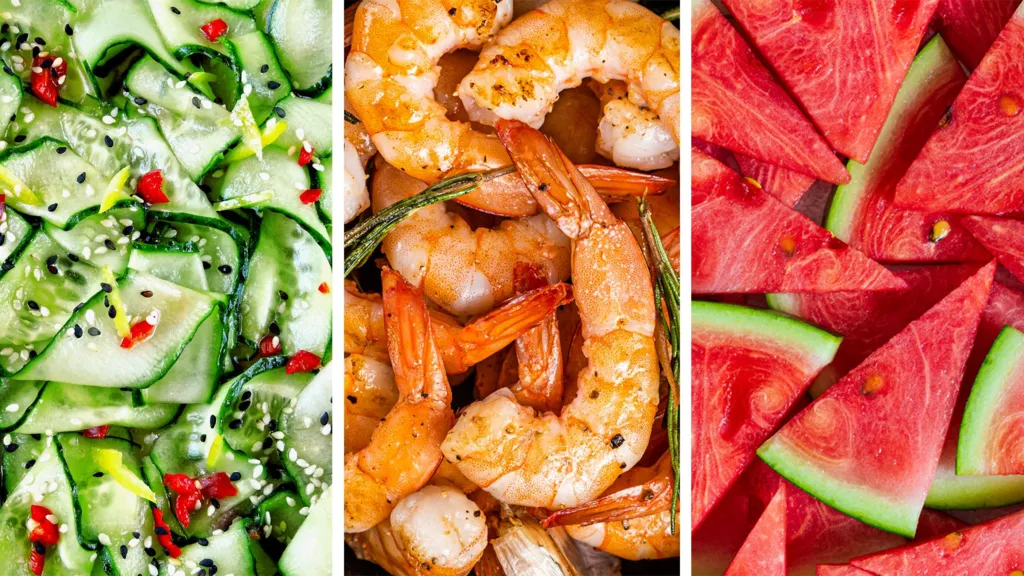
Water-rich foods and healthy meals can help the body stay hydrated during a heatwave.
A Heatwave Diet can help people manage rising temperatures by focusing on hydration, lighter meals and cooking methods that create less heat indoors.
As temperatures rise above 30°C (86°F) in parts of the UK, many people lose their appetite and avoid using ovens or preparing heavy meals. However, nutrition experts say small changes to daily eating habits can help the body stay comfortable and properly hydrated.
Protein Does Not Need to Increase During Hot Weather
Experts say people do not need to consume extra protein during a heatwave.
Aisling Daly, senior lecturer in nutrition at Oxford Brookes University, explained that while protein remains important, people do not need additional amounts simply because temperatures increase.
Many popular protein sources, including meat, chicken and fish, require cooking, which can feel unpleasant during hot weather. Kitchen appliances such as air fryers can provide a practical alternative because they use less energy than traditional ovens and release less heat into the room.
Slow cookers can also help reduce kitchen heat, despite running for longer periods, as they often operate more efficiently than conventional cooking methods.
The body also produces more heat when it digests protein compared with other food groups because breaking down complex molecules requires more energy.
Instead of relying only on meat, people can choose cooler protein options such as lentils, nuts, milk, tofu, cheese, eggs and yoghurt.
Nutrition experts recommend meals such as bean salads, pre-cooked meats, Greek yoghurt, smoothies with fruit and vegetables, or lighter seafood options including tuna, salmon and prawns.
Eat Foods With High Water Content
Staying hydrated becomes especially important during hot weather because the body loses fluids through sweating.
The NHS generally recommends drinking around six to eight glasses of fluid daily, although individual needs vary depending on age, activity levels and health conditions.
Dr Charlotte Mills, a food and nutrition scientist at the University of Reading, said hydration requirements differ from person to person.
However, hydration does not only come from drinks. Experts recommend eating water-rich foods because many fruits and vegetables contain large amounts of water.
Foods with very high water content include:
- Cucumber
- Tomatoes
- Lettuce
- Celery
- Watermelon
- Strawberries
These foods contain more than 90% water.
Other options, including apples, carrots, broccoli, oranges, grapes and pineapple, also provide significant hydration.
Experts suggest checking urine colour as a simple way to monitor hydration. Pale yellow urine usually indicates good hydration, while darker colours can signal that the body needs more fluids.
Hot Drinks Can Also Help Cool the Body
Although many people prefer cold drinks during hot weather, experts say warm beverages can also support cooling.
Research suggests that hot drinks may encourage the body to sweat more quickly, helping release heat and regulate internal temperature.
Dr Daly said warm or room-temperature drinks can be just as effective as cold drinks when the main goal is staying hydrated.
However, excessive caffeine intake can increase urine production and contribute to dehydration. Experts say one or two coffees a day generally have little impact, while larger amounts may affect hydration levels.
Alcohol can also increase dehydration risk, especially during extreme heat.
Adjust Your Eating Schedule
Experts also suggest changing daily routines to cope with high temperatures.
A Mediterranean-style approach may help, including an early breakfast, avoiding heavy activity during the hottest part of the day, taking a short afternoon rest and eating dinner later when temperatures fall.
With the right food choices, hydration habits and meal timing, people can stay comfortable and maintain nutrition even during intense heatwaves.