Karachi HIV Cases: More than 100 children linked to Wilika Hospital test positive as families demand answers
Parents allege medical negligence at a Karachi hospital, while an official inquiry remains unpublished and calls for accountability continue to grow.
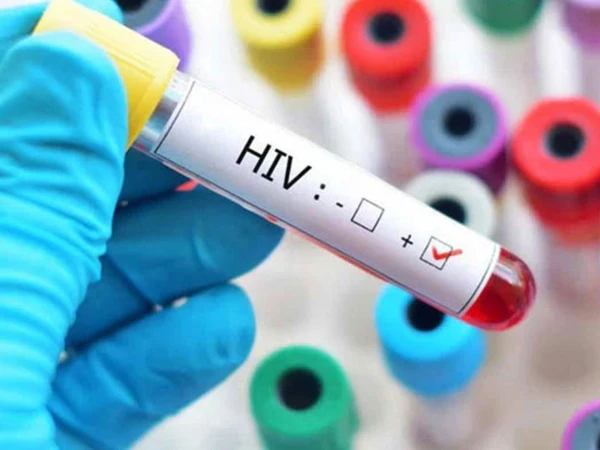
Families of children diagnosed with HIV seek accountability outside Wilika Social Security Hospital in Karachi.
Karachi HIV Cases have raised fresh concerns after another child receiving treatment at Karachi’s Kulsum Bai Wilika Social Security Hospital tested positive for HIV, taking the number of affected children from the same neighbourhood to more than 100, according to local residents. Families also claim that nine children have died over the past year, although official figures remain lower.
The latest confirmed case involves a nine-year-old boy from Golimar. His parents said laboratory tests confirmed he had contracted HIV after spending nearly 20 days in the hospital for treatment last year. They said they sought testing after learning that other children treated in the same ward had also been diagnosed with the virus.
The child’s mother said his health continued to deteriorate after he was discharged from hospital. She accused hospital staff of negligence and alleged that unsafe medical practices led to her son’s infection. She said the illness has forced him to spend more time in hospitals than at school and exposed him to social stigma.
Cristiano Ronaldo: Portugal captain breaks down in tears after emotional tribute to Diogo Jota
Other affected families have shared similar accounts. The father of six-year-old Yousuf said his son developed persistent fever and weakness before testing positive for HIV. A mother from Pathan Colony said two of her children, a two-and-a-half-year-old son and a nine-year-old daughter, were diagnosed with the virus after suffering prolonged illness.
Parents said they initially brought their children to the hospital for treatment of routine illnesses because it offered free medical care. They now say their children not only face lifelong treatment but also discrimination in schools and their communities, with some families reporting social isolation and suggestions that they relocate.
The families have demanded specialised treatment facilities for affected children and called on the Sindh government to ensure access to quality healthcare. They also urged authorities to determine whether lapses in infection prevention contributed to the outbreak.
Residents and local representatives said concerns first emerged in September 2025 after children from the area repeatedly developed unexplained fever, body aches and weakness. Following the first confirmed HIV case, a committee led by the vice chairman of Union Council No. 1 began screening children who had received treatment at the hospital.
According to Union Council Vice Chairman Irshad Khan, 78 children have been officially confirmed with HIV and nine deaths have been documented. However, he said locally compiled data suggests the number of affected children may have exceeded 150, although many cases have yet to be included in official records.
Following the reports, the Sindh Employees’ Social Security Institution formed a five-member inquiry committee to investigate possible negligence and identify those responsible. The investigation has been completed, but the findings have not yet been made public.
Hospital officials said children diagnosed with HIV are receiving antiretroviral treatment through the relevant health authorities. Infectious disease specialist Dr Fatima Mir continues to monitor patients and oversee treatment plans.
Acting Medical Superintendent Dr Tahir Hussain said every child should receive treatment that meets international standards. He added that authorities must hold anyone responsible for negligence accountable if the investigation establishes wrongdoing.
Medical experts say HIV can spread in healthcare settings through the reuse of syringes, needles, intravenous equipment or improperly sterilised medical instruments, as well as through unscreened blood transfusions. They stress that while HIV has no cure, early diagnosis and consistent treatment enable most patients to live healthy and productive lives.