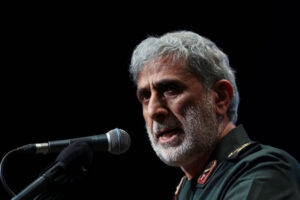
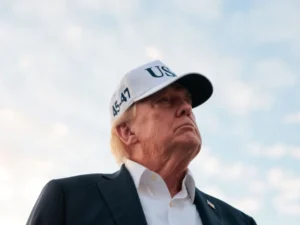
US-Iran Deal: Rubio Reassures Gulf Allies During Regional Visit
US-Iran diplomacy moved back into focus as US Secretary of State Marco Rubio met UAE President Mohamed bin Zayed Al Nahyan during a Gulf tour aimed at reassuring regional allies over Washington’s agreement with Tehran.
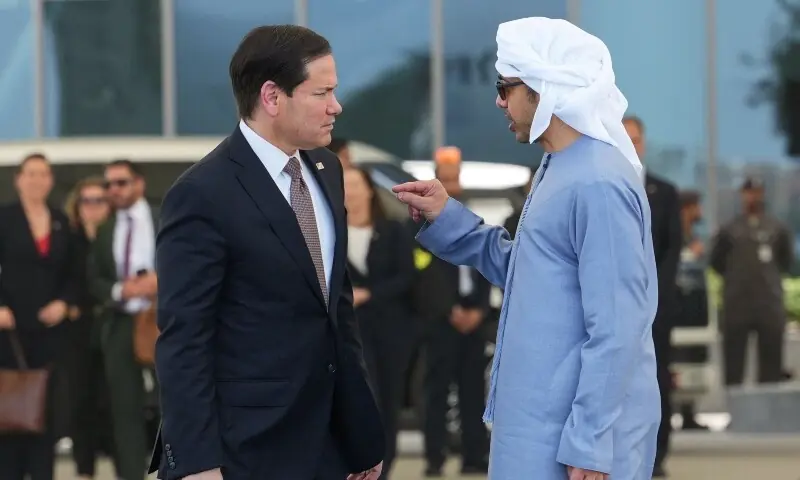
Marco Rubio meets Gulf leaders during regional talks on the US-Iran agreement.
US-Iran diplomacy moved back into focus as US Secretary of State Marco Rubio met UAE President Mohamed bin Zayed Al Nahyan during a Gulf tour aimed at reassuring regional allies over Washington’s agreement with Tehran.
Rubio held talks in Abu Dhabi on Wednesday as the United States renewed its commitment to the security of Gulf partners following tensions linked to the recent Middle East conflict.
According to US officials, discussions centred on President Donald Trump’s memorandum of understanding with Iran, maintaining safe passage through the Strait of Hormuz and preserving regional stability.
TV Festival: Industry Event to Move from Edinburgh to Manchester After 50 Years
US State Department spokesperson Tommy Pigott said Rubio thanked the UAE for its support and praised the country’s response during recent regional tensions while reaffirming Washington’s commitment to Emirati security.
The visit comes as the US attempts to ease concerns among Gulf allies who believe the agreement with Iran leaves unresolved questions around Tehran’s ballistic missile capabilities and broader regional security issues.
Speaking on arrival in Abu Dhabi, Rubio stressed that international waterways must remain open and rejected any suggestion of transit charges in the Strait of Hormuz.
“It’s an international waterway. No country is allowed to charge tolls or fees on an international waterway,” he said.
Rubio also indicated that concerns not included in the memorandum of understanding would form part of his discussions with regional leaders.
During the visit, Rubio joined a working lunch with President Sheikh Mohamed and senior Emirati officials, including National Security Adviser Sheikh Tahnoun bin Zayed Al Nahyan and Foreign Minister Sheikh Abdullah bin Zayed Al Nahyan.
The secretary of state later travelled to Kuwait before continuing to Bahrain to attend a Gulf Cooperation Council meeting.
The US and Iran signed a 14-point memorandum of understanding last week, opening a 60-day negotiation period designed to establish a broader agreement and reduce tensions following months of conflict.
One of the central issues remains Iran’s stockpile of highly enriched uranium and future arrangements surrounding its nuclear programme, which Tehran maintains is intended for peaceful purposes.
Although Gulf states publicly supported efforts to reduce tensions, several regional governments have reportedly expressed concern that the framework agreement does not directly address missile threats or future military capabilities.
Rubio’s regional visit is expected to play an important role in shaping confidence among Gulf partners as negotiations with Iran continue.