Iran Blames US ‘Maximalist Approach’ for Blocking Peace as Hormuz Crisis Deepens
Web Desk May 13, 2026Iranian Foreign Minister Abbas Araghchi has accused the United States of obstructing efforts to end the ongoing conflict, saying Washington’s “maximalist approach,” provocative rhetoric, and lack of sincerity remain the biggest barriers to peace negotiations.
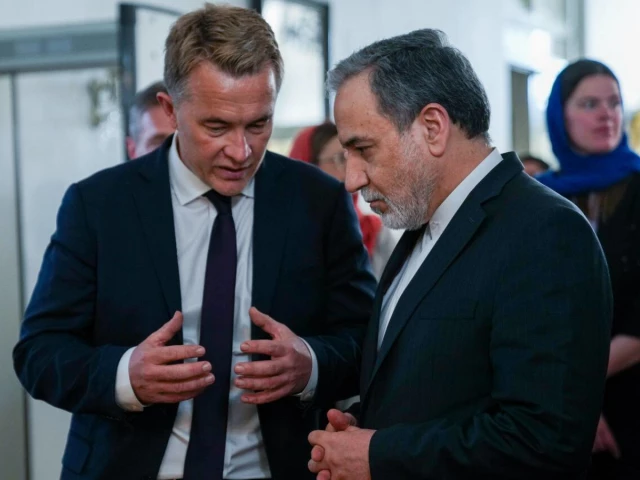
Iranian Foreign Minister Abbas Araghchi has accused the United States of obstructing efforts to end the ongoing conflict, saying Washington’s “maximalist approach,” provocative rhetoric, and lack of sincerity remain the biggest barriers to peace negotiations.
According to Iran’s Mehr News Agency, Araghchi made the remarks during a meeting in Tehran with Andreas Motzfeldt Kravik, who visited Iran for diplomatic consultations amid escalating regional tensions.
During the talks, Araghchi confirmed that Iran is working on new legal and regulatory arrangements for the Strait of Hormuz in accordance with international law. The statement signals Tehran’s intention to formalize a new framework governing one of the world’s most strategically important maritime routes.
Kravik emphasized the importance of achieving durable peace and regional stability, while offering Norway’s support in diplomacy, maritime safety consultations, and environmental cooperation.
Meanwhile, tensions in the Gulf further escalated after Kuwait detained several Iranian nationals accused of entering its territorial waters near Bubiyan Island. Iran rejected allegations that the individuals were linked to infiltration activities by the Islamic Revolutionary Guard Corps (IRGC), claiming the incident resulted from a navigation system malfunction during a routine maritime patrol mission.
Iran’s Foreign Ministry condemned what it described as “baseless claims” by Kuwaiti authorities and demanded immediate consular access and release of the detained nationals under international legal norms.
Saudi Arabia also weighed in on the incident, condemning what it called an armed IRGC infiltration into Kuwaiti territory and reaffirming support for Kuwait’s sovereignty.
At the diplomatic level, Iran’s Ambassador to China, Abdolreza Rahmani Fazli, highlighted Beijing’s role in keeping diplomatic channels open during the conflict. He said China had coordinated with regional actors and supported peace initiatives involving Pakistan, including diplomatic efforts that contributed to talks in Islamabad.
The ambassador described the Iran-China strategic partnership as extending beyond economics, saying it represents Iran’s broader positioning within an evolving global order and provides Tehran with strategic alternatives in the face of US pressure.
The developments come as Donald Trump insisted that the United States does not require China’s help to end the war with Iran.
Speaking before departing for Beijing, Trump said Washington would prevail “peacefully or otherwise,” while reiterating that preventing Iran from obtaining nuclear weapons remains his only priority.
Despite a fragile ceasefire holding for more than a month, negotiations remain stalled, while Iran has reportedly expanded its influence over the Strait of Hormuz through new energy and shipping arrangements with regional countries, including Pakistan and Iraq.
The prolonged standoff has rattled global energy markets, with Brent crude prices climbing above $107 per barrel amid fears of continued disruptions in one of the world’s most critical oil transit corridors.
US Central Command stated that the aircraft carrier USS Abraham Lincoln continues operations in the Arabian Sea as part of enforcement measures linked to the maritime blockade.
The Pentagon estimates the conflict has already cost the United States nearly $29 billion, while domestic political pressure on Trump continues to grow as inflation and fuel prices rise ahead of the US midterm elections.