Pakistan Begins Virtual Budget Talks with IMF, Focus on Energy Pricing and Tax Reforms
Web Desk May 5, 2026Pakistan has initiated preliminary virtual consultations with the International Monetary Fund (IMF) to set key fiscal targets for the upcoming federal budget, according to sources within the Ministry of Finance.
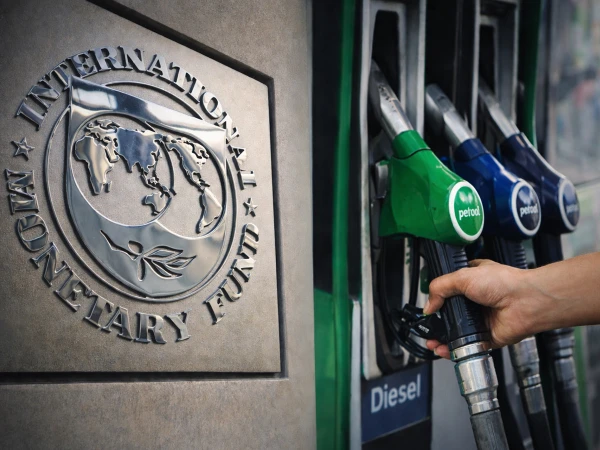
Pakistan has initiated preliminary virtual consultations with the International Monetary Fund (IMF) to set key fiscal targets for the upcoming federal budget, according to sources within the Ministry of Finance.
Pakistan Condemns UAE Attacks, Calls for Ceasefire as Gulf Tensions Escalate
During the early-stage discussions, the IMF advised the government to discontinue subsidies on petroleum products, emphasizing the need to avoid additional fiscal pressure. Instead, it recommended timely adjustments in fuel and energy prices to reflect market realities and ensure financial sustainability.
The IMF further stressed that prompt implementation of recommendations from regulatory authorities regarding electricity and energy tariffs is essential. Delays in adjusting prices, the institution warned, could increase the financial burden on the national exchequer and complicate economic stabilization efforts.
In addition to energy sector reforms, the IMF proposed reducing tax exemptions, concessions, and relief measures in the upcoming budget. Expanding the tax base remains a central priority, with proposals under consideration to increase the tax-to-GDP ratio by at least one percentage point annually.
Government officials are also reviewing measures to cut public expenditures further and improve fiscal discipline. The IMF has directed authorities to ensure concrete steps are taken to reduce the country’s growing debt burden, which continues to strain economic performance.
The ongoing consultations are seen as crucial for shaping Pakistan’s fiscal policy direction and ensuring continued engagement with the IMF, as the country navigates economic challenges and seeks long-term stability.